


No matter how far you may try to run from politics or ignore the news, you’ve almost certainly heard one refrain over and over again: The US is more divided now than ever before. It sounds profound. It feels urgent. And it’s just scary enough you worry it might be true.
But there’s just one problem with the narrative: It requires forgetting almost all of American history prior to, oh, say, the 1970s.
A Divided America Is Nothing New
The “more divided than ever” line rings true to anyone born since the 1970s, or perhaps even the mid-to-late 1960s if they were too young to recall that particular decade. If your political memory begins toward the end of the Cold War, the boom of the ’90s, or the unity that followed 9/11, today’s partisan warfare feels like an unprecedented breakdown – and quite possibly the harbinger of doom.
It certainly is not unprecedented, nor is it anywhere near the worst. And the end probably isn’t nigh, either. As the old saying goes, this too shall pass.
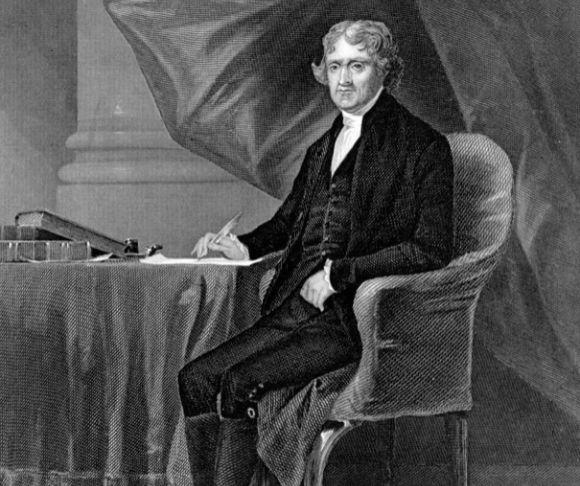
The very birth of America came amid heated political division – and that has been the recurring theme of our republic since its founding, with only a few relatively brief times of peace in between. But you don’t have to go back to the 18th century to find far more dangerous and divided times than our own.
Anyone old enough to remember the 1960s – and there are millions of Americans still around who do – knows well that this is not the most divided our nation has ever been. In 1968, President Lyndon B. Johnson’s National Advisory Commission on Civil Disorders documented 164 different civil disorders in the first nine months of 1967 alone.
Then it really got bad. In 1968, after the assassination of Martin Luther King Jr., violent riots broke out in more than a hundred US cities in a single week. Tens of thousands of troops had to be mobilized to contain them.
Historians who study this particularly violent time in American history, from Harlem in 1964 to Watts in 1965 and Newark and Detroit in 1967, and on to the DNC riots in Chicago in 1968 – and many more – put the total at more than 300 major urban riots.
The 1960s weren’t just a decade of riots and race wars, either; the decade was also an era of assassination. President John F. Kennedy was murdered in 1963, as was NAACP Mississippi field secretary Medgar Evers. Malcolm X was murdered in 1965, and another Mississippi NAACP leader, Vernon Dahmer, was killed when the KKK firebombed his home in 1966. Sen. Robert F. Kennedy was assassinated just after winning the California Democratic Party presidential primary in 1968 – the same year Martin Luther King Jr. was shot.
That’s just the highlight reel for the sake of brevity; there were many more examples.
Yes, the 2020s brought numerous “mostly peaceful protests” in which many people were hurt, businesses were looted and destroyed, and entire cities seemed to be on fire. But still, we have not come close to the street violence of the 1960s. It was a time in which America’s division was not measured in angry social media posts, but rather in body bags and burning homes and businesses.
Canes, Pistols, and a Civil War
Step back another century, and the comparison becomes even more absurd. Today’s lawmakers trade gotcha sound bites on social media and in floor speeches; legislators in the 18th and 19th centuries carried canes, knives, and pistols into the chambers – and all-out brawls were not unheard of.
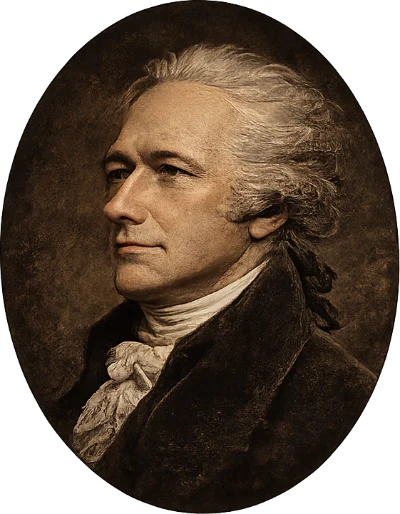
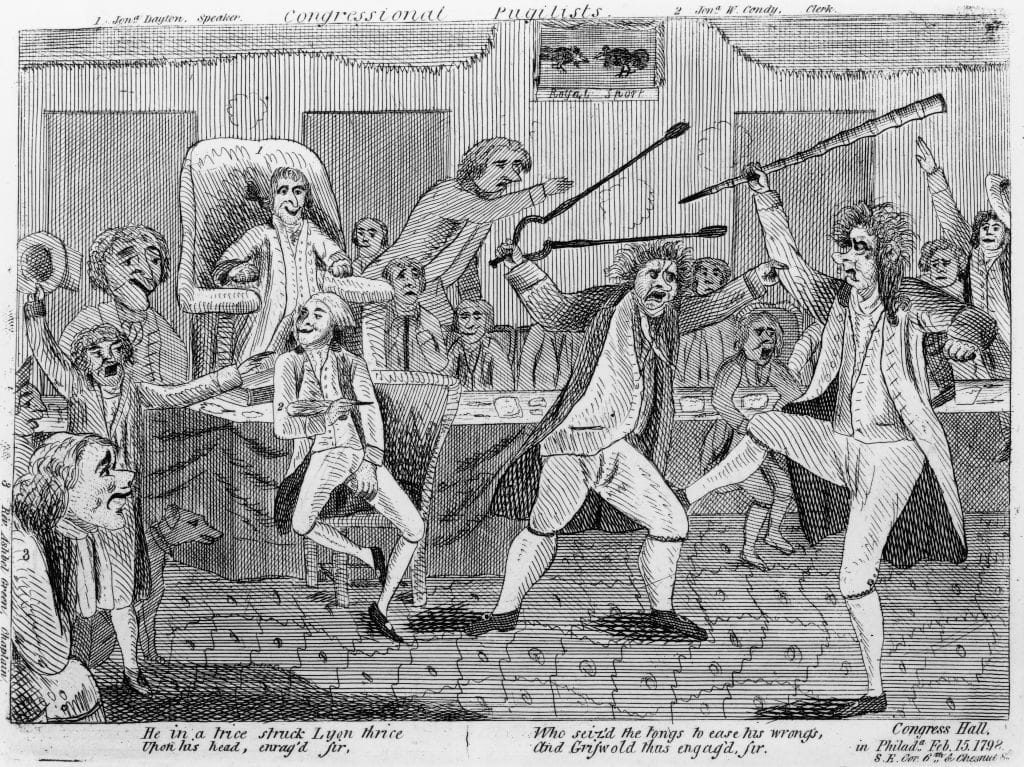
In 1798, Rep. Matthew Lyon spat in Rep. Roger Griswold’s face on the House floor, earning himself a beating with a hickory cane. Outside the Capitol, the Founding generation saw a sitting vice president kill a former Treasury secretary in a formal duel. In 1856, Rep. Preston Brooks brought back the caning tradition when he beat Sen. Charles Sumner nearly to death on the Senate floor.
And let us not forget the actual time that the nation was more divided than it ever had been or has been since: the Civil War. From 1861 to 1865, the US fractured into two separate and warring nations, and more than 600,000 Americans died because of it. Unless states are seceding and hostile troops are marching across state lines with orders to kill, “more divided than ever” is less serious political analysis and more hyperbole. It carries all the legitimacy and historical weight of calling a politician you strongly dislike “literally Hitler” or the “enemy” political party Nazis.
A Framework Built for Friction
None of this means today’s political climate is healthy – far from it, in fact. But what makes our era feel uniquely brittle isn’t the level of violence – which is actually relatively low, all things considered – but the rigidity of the partisan sorting. In the 1960s, chaos and violence were widespread. But the two major parties still overlapped enough between liberal Republicans and conservative Democrats that coalitions could be formed. That is becoming rarer in American politics today, it seems.
There are probably a lot of reasons for this partisanship, from political and cultural and even geographical identity to the 24-hour news cycle, the internet, and social media algorithms engineered to reward outrage. It’s no wonder Americans see a loud, hyper-partisan minority, regardless of which side that might be at any given time, and think the republic is on the brink of collapse.
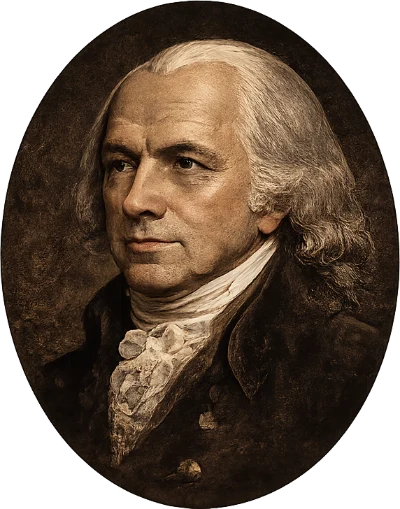
But the truth is the very framework of our nation is built for friction. The Founders never assumed all Americans would hold hands and sing in unison. In Federalist 10, James Madison noted that the causes of factions are sown into human nature itself. Eliminating division would require destroying liberty – but the Constitution, he argued, could slow and channel it.
America has cycled through bitter polarization and periods of relative political peace since the founding. And today, it seems we’re nearing – or perhaps even already in – the upper end of one of those divisive parts of the cycle. But pretending that today’s friction is worse than duels, congressional canings, the actual Civil War, or the bloody 1960s doesn’t just flunk US history – it blinds us to the simple fact that our nation was designed to handle and has survived far worse.