



It’s easy to be grateful when life is going well. In 2026, however, when so many Americans are struggling to make ends meet, giving thanks may feel like the last thing on the to-do list. But it is precisely when times are tough that gratitude becomes more important than ever. Americans have a long and proud tradition of expressing Thanksgiving gratitude in the face of adversity, dating back to the earliest days of the republic.
The First Thanksgiving Proclamation
Life in the late 18th century was far from easy. While the United States had won the Revolutionary War, it was still recovering economically from the conflict. Farmers, military veterans, and other American citizens struggled to stay afloat as many state governments raised taxes to pay off wartime debts.
Despite the hardships facing the young American nation, George Washington issued the first presidential Thanksgiving proclamation in 1789, calling for “a day of public thanksgiving and prayer to be observed by acknowledging with grateful hearts the many signal favors of Almighty God especially by affording them an opportunity peaceably to establish a form of government for their safety and happiness.”
Washington established Thursday, Nov. 26, of that year as a day of devotion “to the service of that great and glorious Being, who is the beneficent Author of all the good that was, that is, or that will be.” The first American president called on his countrymen to “unite in rendering unto [God] our sincere and humble thanks” for helping them succeed in the Revolution and establish the Republic.
During a time of great difficulty, Washington reminded the American people that it is their duty “to acknowledge the providence of Almighty God, to obey his will, to be grateful for his benefits, and humbly to implore his protection and favor.”
Civil War Gratitude
Almost 75 years later, President Abraham Lincoln followed in Washington's footsteps and, in the midst of the Civil War, declared the last Thursday in November a national day of Thanksgiving.
Lincoln’s proclamation that year began with a simple message of gratitude: “The year that is drawing towards its close, has been filled with the blessings of fruitful fields and healthful skies.” The 16th president issued his message of thanks just three months after the Battle of Gettysburg. He continued:
“I do therefore invite my fellow citizens in every part of the United States … to set apart and observe the last Thursday of November next, as a day of Thanksgiving ... And I recommend to them that while offering up the ascriptions justly due to Him … they do also, with humble penitence for our national perverseness and disobedience, commend to his tender care all those who have become widows, orphans, mourners or sufferers in the lamentable civil strife in which we are unavoidably engaged, and fervently implore the interposition of the Almighty Hand to heal the wounds of the nation and to restore it as soon as may be consistent with Divine purposes to the full enjoyment of peace, harmony, tranquility and Union.”
Lincoln did not shy away from the devastating realities of war but encouraged the American people to remember and be grateful for all that is good, too.
Modern Thankfulness
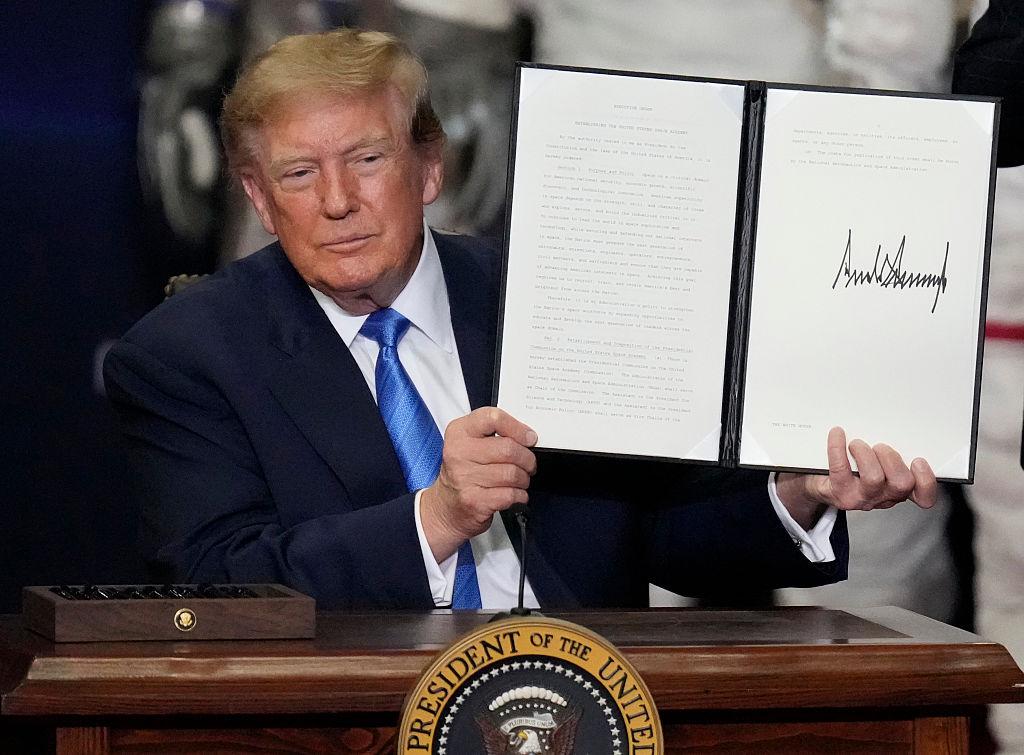
President Donald Trump issued the most recent presidential Thanksgiving proclamation last year, showing great respect for God and the Americans who came before him. “We vow to build a future that echoes their sacrifice,” Trump promised. “Above all, we offer our endless gratitude to Almighty God for His love, grace, and infinite blessings.”
For many, the year 2025 wasn’t exactly a walk in the park, but the reality is this: Life is hard. It’s always been hard. But it’s also beautiful and exciting and breathtaking. If we can learn one thing from presidential Thanksgiving proclamations throughout history, it’s that we have a duty to acknowledge the blessings that God has bestowed on us as individuals and on this great nation. From late 18th-century farmers and Civil War soldiers to modern Americans, there’s always something to be grateful for.