
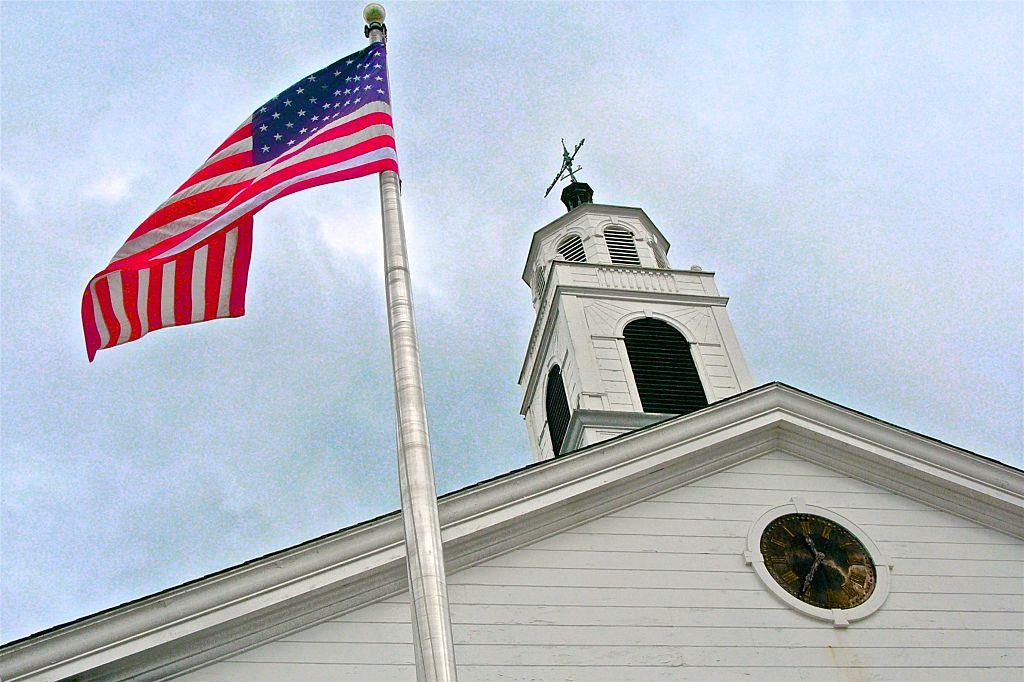

New Hampshire is well known for its motto, "Live Free or Die," and takes pride in these memorable words. However, moving beyond sentiment and assessing the actions states take to uphold or devalue these concepts is another story altogether. Just yesterday (Nov. 16), the Napa Legal Institute released its rankings on the state of faith and freedom in the United States, and it appears New Hampshire talks a good game but still has room to improve. A closer look at the Faith and Freedom list shows that not everything fits neatly into a box.
The Faith and Freedom Index is set up to score state laws "that affect faith-based, federally tax-exempt nonprofits," according to Napa Legal. The institute's benchmarks "measure each state's 'friendliness' to religious freedom and regulatory freedom for nonprofits." The point was made in the Napa press release that "[e]very state that passes a law improving the religious liberty landscape for faith-based nonprofits is a victory for society."
Faith and Freedom: Last but Not Least
Gov. Gretchen Whitmer’s Michigan bears the ignominious distinction of coming in last. Although many of its state laws predate Whitmer, the Wolverine state falls short on religious freedom. Napa Legal's Senior Counsel Frank DeVito told Fox News that Michigan has "burdensome nondiscrimination requirements." Parochial schools are in the crosshairs of state law, essentially forcing them to go against their beliefs when hiring. Religious non-profits must also adhere to burdensome financial reporting requirements. For these reasons and more, Michigan's overall score came in at only 34%. Also rolling around in the mud with them were Washington state at 38% and the Bay State – where the Pilgrims landed – scored only 41%.
While it's no shock that these three states came out at the bottom of the barrel, some results were surprising. For example, North Dakota, South Carolina, and Tennessee all scored lower than New York. Napa's DeVito points out “that a New York state court ruling found the state's constitution provides greater protections for the free exercise of religion than the federal First Amendment." There's an eye-opener for you.
As for the friendliest states for faith and freedom, the index puts Alabama in first place, with 80%, followed closely by Kansas at 76%, Indiana at 75%, Texas at 71%, and Iowa at 69%. The "Live Free or Die" state of New Hampshire ranked 13th.
A History of Religious Freedom
Early texts from American history reveal that religious liberty was not an afterthought but a primary reason for settling in the New World. "Rhode Island was the first colony to allow religious freedom," according to the First Amendment Museum. Many believe the Rhode Island charter could have shaped the First Amendment to the Constitution.
Free with the Daily Briefing
85EssaysUnravel the Constitution
Hamilton, Madison & Jay’s complete case for America, free and searchable in the Publius Reader.
Free with the Daily Briefing. Unsubscribe anytime.
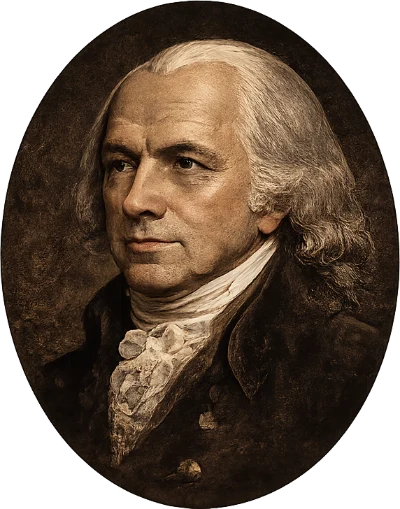
In 1785, James Madison argued for religious liberty in his "Memorial and Remonstrance Against Religious Assessments," which strongly admonished government support of religion.
The Virginia Statute for Religious Freedom, written by Thomas Jefferson, "disestablished the Church of England in Virginia and guaranteed freedom of religion to people of all religious faiths, including Christians of all denominations, Jews, Muslims, and Hindus."
From this rich history, Americans can be certain that freedom of religion was a founding principle of the Republic, and that advocating for continued liberty in this fundamental part of life is not only necessary but also a responsibility to uphold.