


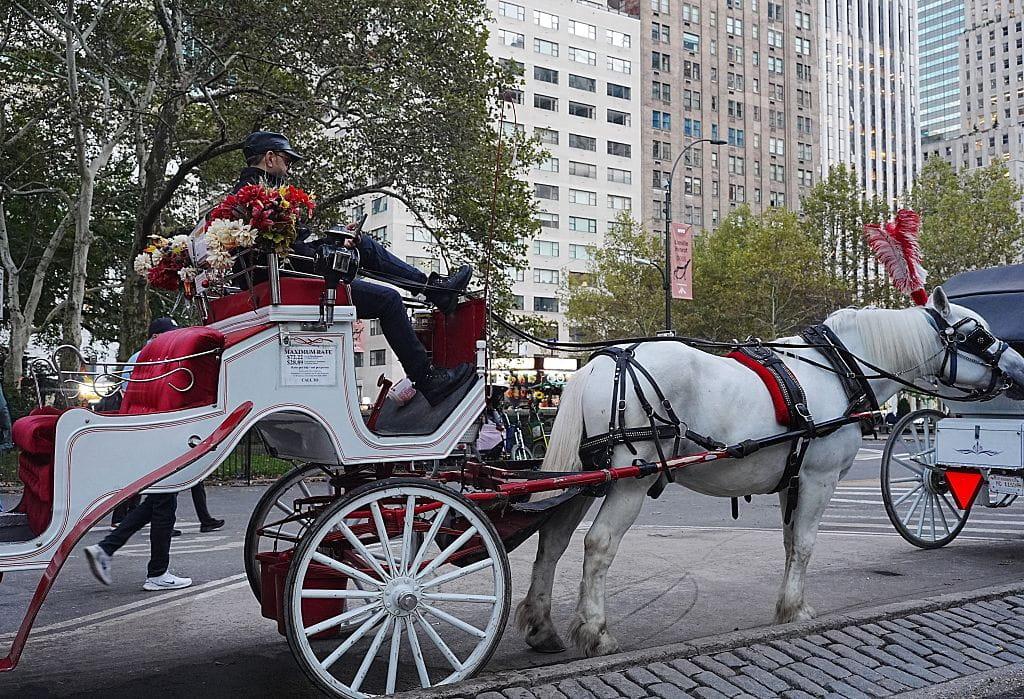

New York City has decided to terminate Central Park horse-drawn carriage rides by June 1, 2028, over safety and animal welfare concerns. The decision appears shortsighted and ill-considered, not only for those who consider the iconic experience as integral to the Big Apple’s cultural identity but also for horse lovers. Urban technocrats and city mice seem to have abandoned common sense since Marxism came to town.
A Tragic Carriage Accident Sparked Outrage
The issue has been brewing for some time. The chief impetus for the renewed push to ban carriage rides was the tragic death of 18-year-old Indian tourist Romanch Mahajan on June 17, 2026. He suffered a fatal head injury when a New York City carriage driver stepped away from his charge to snap a picture of the family. The unattended horse bolted, striking another carriage.
This was apparently the first human fatality resulting from a Central Park carriage accident in the tradition’s more than 160-year history. There have been other serious injuries reported that did not result in death and reports of horses suffering in heat and traffic. Surveys report 71% of New Yorkers support the new law. Mayor Zohran Mamdani officially banned horse carriages on Nov. 19, stating, “Our city has changed, and now it is time for our laws to change too. That is why today I am signing Romanch’s Law.”
This is a symptom of a Marxist mobocracy closing down profitable businesses while demonstrating a modern disconnect from culture, risk, and common sense. The justifications for the ban all have weaknesses that appear to have gone largely unexamined in the one-sided push to put this loyal union of equine workers out of business and out to pasture.
A Cultural History of the Horse and Carriage
New York’s romantic Central Park tradition is culturally substantial in its own right. The tourist slogan “I Love New York” once connected to Big Apple attractions, such as safe shopping, clean streets, top museums, and a walk (or horse carriage ride) in one of the world’s most famous urban parks. Yet the practice had even deeper roots. Once upon a time, this “dangerous” means of transportation was the nation's chief source of energy, travel, and agricultural production.
The horse may appear anachronistic today, but America cared for more than 25 million horses and mules in the early 1900s. They died in droves on the battlefields of World War I. Of the roughly 6.65 million horses remaining, most are recreational animals used for pleasure riding. Many that are wild become an ecological scourge. The United States bans horse slaughter, which means the practice is simply shifted to Mexico and Canada. US horses suffer even more by being packed into tractor-trailer trucks, terrified for days, riding to faraway auctions and abattoirs to be killed for foreign meat markets.
The cultural significance of horses is indeed lost on most modern suburbanites, let alone New Yorkers. As Mamdani says, “Our city has changed.” The whole world has changed, to be sure, and not necessarily for the better. Horses don’t pollute like cars, and they nourish the soil with manure and grazing activity. But those of us who express justifiable fear about the long-term abandonment of animal husbandry, replaced with an utter dependency on cheap energy and fragile supply lines, are not quixotic dreamers. We are informed farmers and understand risks invisible to denizens of concrete jungles.
Public Safety in Central Park
Concurrent with banning carriages in the name (literally) of the sole mortality in New York’s history, Mamdani ended criminal enforcement of minor traffic offenses committed by cyclists and e-bike riders. How many New Yorkers will die as a result – perhaps more than one every two centuries? Mamdani is proceeding with the city’s longstanding plan to close Rikers Island, apparently without concern over public safety. He has disbanded pivotal police riot crews, redistributing them in other city departments, inviting chaos. He opens the city to illegal immigrants – no risk of mortality or rape there.
Free with the Daily Briefing
85EssaysUnravel the Constitution
Hamilton, Madison & Jay’s complete case for America, free and searchable in the Publius Reader.
Free with the Daily Briefing. Unsubscribe anytime.
New York City reports more than 100 pedestrian deaths annually: Does it ban streets and cars? Hundreds of injuries are reported each year from train accidents, with nearly 100 deaths annually. New Yorkers are far more likely to be struck and killed by lightning than die in a horse-drawn carriage (or from measles), but that doesn’t stop the histrionics and horse-targeting.
Comparing “essential” services such as cars and trains to commercial horse carriages is not intended to justify banning planes, trains, and automobiles, but to put horse risk in perspective. Then compare this Central Park tourist favorite with mountain biking, skiing, or parachuting – all money-making tourist draws in various places in the world, all voluntary, all riskier than climbing into a horse-drawn carriage while on vacation.
Yes, accidents happen, as when a carriage horse named Ryder collapsed in 2022 and was later euthanized, fueling public outrage. But such anecdotes should not discredit the majority of favorable carriage-ride outcomes. Young Romanch died because of a poor decision by a single driver who could have haltered the lead horse. Similarly, Ryder’s experience does not represent that of all horses, most of whom likely LOVE their jobs. Horses were bred for work and love to work. But the paternalistic animal welfare crowd has decreed horses should be put out to pasture because working is abusive.
Animal Welfare or Horse Canceling?
What pastures will NYC’s horses be moved to? Mamdani has expressed concern about the carriage drivers retaining their jobs, but in his urban delusion he believes he will just sweep his technocratic pen and the horses will be spared from slaughter. Is that how the real world works, or just the Marxist hallucinatory version?
From Liberty Nation News, Trivia, Facts, Check Us Out
Stay informed.
Today’s news, the Constitution and American history, written for young readers.
Visit GenerationLiberty.com
Erasing good private businesses by bureaucratic edict is classic communism. Replacing workers with state jobs shifts the model from a productive economic one to yet another public cash drain. This is bad for a city already struggling. Now Mamdani and AOC appear intent on driving Amazon jobs out of town en masse. Yet there are only about 100 carriages reportedly still operating and about 200 workers.
One New York media outlet reported that while many residents view the carriages as an important historic attraction, “critics argue they no longer serve the practical purpose they once did and conflict with growing public awareness of animal welfare, particularly among younger generations.” This is because younger generations have been conditioned with an animal rights ideology foreign to the young of centuries before. Where do they think the horses will go when they are “rescued” from useful employment? Will horses soon be banned at racetracks and from dragging logs in the woods, relegated to the local zoo? Will animal rights activists object to zoos as inhumane?
Mamdani & Co. say the horses will not be slaughtered, and that is probably as far as the comprehension of a city mouse can go. Urbanites generally don’t know where their food comes from or where their garbage goes.
Meet Willow
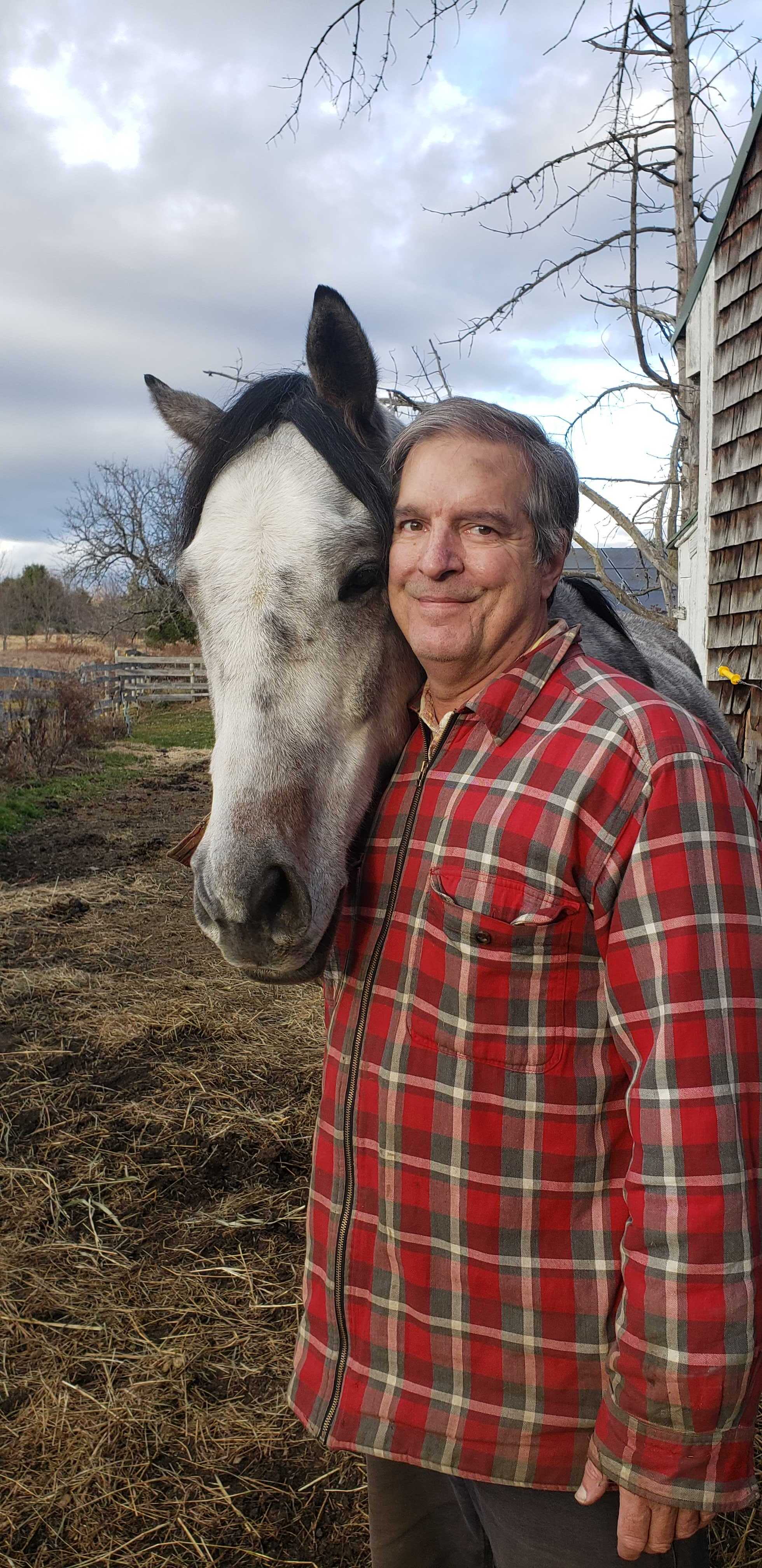
My wife Jacqui and I rescued a young thoroughbred gelding from the racetrack who might otherwise have ended up in a kill pen. We named him Willow (changing it from Bullrunner). We paid $1,100 for the horse. Now add hay, veterinary bills, bedding, tack, fencing, and labor. We both work (and raise cows) to offset these rescue costs, but they are sizable, and Willow’s life expectancy is easily 20 more years.
The US horse industry is in turmoil. People cannot afford horses as they once could. Hay prices are astronomically higher than they were 20 years ago. Taxes, fuel, and equipment costs keep rising, and fewer and fewer farmers make hay for suburban equine enthusiasts. Veterinarians have shifted in droves to more profitable small-animal practices. Horse vets have become rare and extremely expensive.
Horses declined in numbers in the United States because they lost commercial relevance as the steam engine, railroad system, modern tractor, and automobile displaced them. Without an economic justification, their existence must be subsidized as recreation, rescue, or zoo displays. New York City’s carriage horses are currently gainfully employed in a popular, meaningful occupation. Mamdani said the city’s plan includes medallion buybacks, job training, career counseling, tuition assistance, and entrepreneurship support for the drivers (at what public cost?) while deporting horses like throwaways (at what public cost?). Many of these beautiful, highly trained, intelligent animals could end up deported to kill pens, but that won’t be tracked by the media, Mamdani, or the animal rights activists any more than they monitor the rural destinations of their urban refuse.
The problem isn’t that a foreigner got killed on a horse and a Marxist foreigner is changing America’s most famous city for the worse. The problem is that cultural awareness and common sense are foreign to 71% of today’s New Yorkers.