

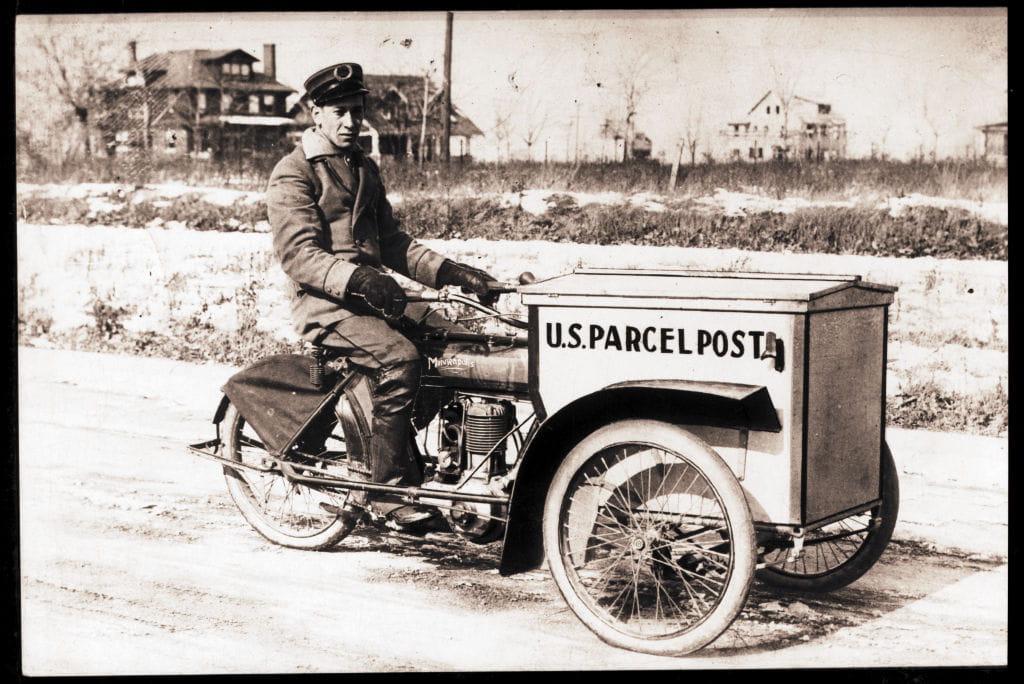

On July 26, 1775, a year before the signing of the Declaration of Independence, the Continental Congress appointed Benjamin Franklin as the first American postmaster general. The postal service was a way to help bind the new nation together. It would help military commanders communicate more easily, and newspapers could be sent via mail, making it easier for people to be informed. Who knew, though, that this elaborate communication system would one day be used to deliver children?
A Little History of the Postal Service
Before television, radio, and the internet, people got their news and information by word of mouth and newspapers. If they happened to live out in rural areas, getting that news could take a while. The Founding Fathers looked at the mail system as vital to the ability of every American to be involved and have knowledge of the political happenings. Article I, Section 8, Clause 7 of the US Constitution (the Postal Clause) gives Congress the power to establish Post Offices and post Roads. In 1791, President George Washington said:
“The importance of the post office and post roads on a plan sufficiently liberal and comprehensive, as they respect the expedition, safety, and facility of communication, is increased by their instrumentality in diffusing a knowledge of the laws and proceedings of the Government.”
In 1792, a new law set a very low rate of one cent to cover delivery of newspapers up to 100 miles – and 1.5 cents beyond that – while printers could exchange papers with each other for free. Sending a letter could cost between six and 25 cents.
Then the parcel post service became available to Americans on Jan. 1, 1913.
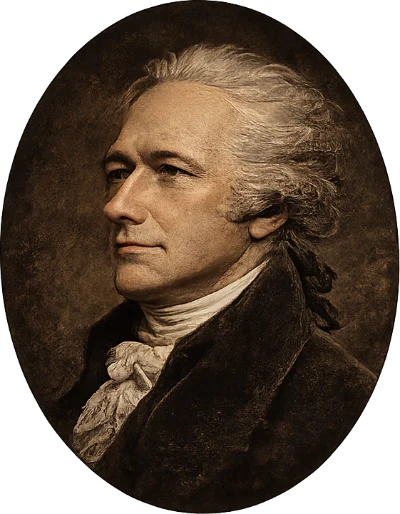
Before parcel post, people couldn’t send packages that weighed more than four pounds through the regular mail service. Larger packages had to be sent by private express companies or railroads, which could end up being quite costly. The new rule allowed Americans to mail packages that weighed up to 11 pounds. Farmers, especially, were made happy by this law, as it saved them considerable time and money otherwise spent on private carriers, railroads, or carting their goods to market in person.
During the first six months of the service, 300 million packages were mailed, and Sears filled five times as many orders that year than the one before, according to the USPS.
When Children Traveled Through the US Mail
“The first few years of parcel post service—it was a bit of a mess,” Nancy Pope, head curator of history at the National Postal Museum, told History. “You had different towns getting away with different things, depending on how their postmaster read the regulations.”
At first, the only animals that were allowed in the mail were bees and bugs, the postal service explained. “In 1918, day-old chicks were allowed in the mail. In 1919, some additional ‘harmless live animals’ were permitted, but children did not fall into this category.”
From Liberty Nation News, Trivia, Facts, Check Us Out
Stay informed.
Today’s news, the Constitution and American history, written for young readers.
Visit GenerationLiberty.com
People started testing the limits, mailing everything from eggs to snakes. But perhaps the most unusual “packages” were children. People discovered it was cheaper to mail their kids to relatives than to buy an expensive train ticket.
Just a few weeks after the program began, Jesse and Mathilda Beagle of Ohio mailed their eight-month-old son, James, to his grandmother, who lived about a mile away. The boy was just under the 11-pound limit for parcels. “Rural Carrier Vernon Lytle picked up the baby from his parents’ house and carried him in his mail wagon to his grandmother’s house,” USPS explained. “The postage was fifteen cents, and the ‘parcel’ was insured for $50.”
In 1914, the postmaster general caught wind of the practice and issued a rule to make it clear humans can’t be sent through the mail. Even after the ban, however, a few more children were mailed. One of those post-ban children actually had the longest recorded trip. Six-year-old Edna Neff traveled from her mother’s home in Pensacola, Florida, to her father’s home in Christiansburg, Virginia, in 1915.
All told, there are seven children known to have been mailed; there may have been more, of course. But mailing children wasn’t as dangerous as it sounds. Most parents knew their postal carriers, and children were never left unattended.
Unusual Packages
Although sending children through the mail seems unusual, to say the least, there were some other notable packages over the years. For example, legend has it one man shipped an entire bank through the mail. While that makes for a compelling headline, of course, what happened in reality isn’t quite as ludicrous as the image in your head. Rather than sending a fully constructed building, vault and all, William Coltharp used parcel post in 1916 transport bricks for the construction of a bank in Vernal, Utah. It was a lot cheaper to mail the bricks than to use other transportation methods.

Butter and other perishable items were sent through the system, as well. College students mailed their dirty laundry home to be washed. And in 1958, jeweler Harry Winston sent the famous Hope Diamond to the Smithsonian Institution through registered mail.
The postal service has adapted to the changing needs of Americans for more than 250 years. While the Founding Fathers recognized the importance of keeping citizens informed, the expansion of postal services gave Americans greater access to goods, business opportunities, and even markets for their own products, regardless of where they lived. The early days of parcel post also showed just how resourceful Americans could be when given a new opportunity, even if it meant putting a few postage stamps on their children to save the cost of a train ticket.