


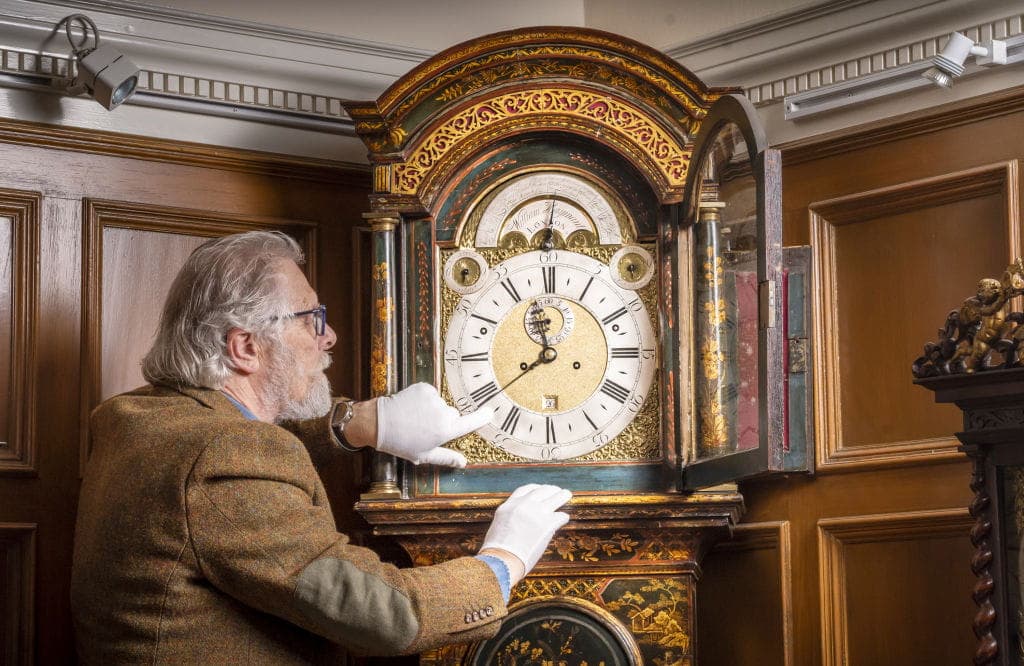

Halloween may be the one night of the year when we welcome things that go bump in the night, but the dark nights bring some real concerns that have nothing to do with ghosts or goblins. With daylight saving time ending tomorrow, Nov. 1, the sun will seem to disappear an hour earlier, and for older adults, that change can bring some unexpected health risks.
Changing the Clock Interrupts the Body’s Rhythm
A new study published on medRxiv shows how daylight saving time can disrupt sleep patterns. Researchers analyzed Fitbit sleep data from 1,522 participants and examined 13 seasonal clock changes. They compared people who lived in Colorado, New Mexico, and Utah, where clocks change, with those in Arizona, where most residents don’t observe daylight saving time. They found that sleep timing shifted approximately 28 minutes earlier after the fall clock change. They also discovered short-term disruptions in sleep patterns.
Professor John Groeger, a sleep researcher at Nottingham Trent University, explained that even though we technically gain an extra hour of sleep, our bodies follow a natural daily schedule that regulates when we feel sleepy, wake up, and how alert we feel throughout the day, so suddenly changing the time can throw that schedule off balance.
The professor identified three important processes that help control our sleep: melatonin, a hormone that signals when it’s time to prepare to sleep; cortisol, which helps us wake up and feel alert; and body temperature, which changes throughout the day, dropping as we sleep and rising as we prepare to wake up. These processes work together, following a 24-hour cycle. When daylight saving time ends, the clocks change immediately, but our bodies don’t adjust as quickly, and our internal clocks continue following the old schedule.
While everyone can be affected by the time change, it’s more noticeable for certain people. Older adults who usually fall asleep and wake up early and menopausal women, especially those experiencing hot flashes, for example, may have more difficulty adjusting.
Daylight Saving Time Can Increase Health Concerns
Aging eyes make the dark more dangerous, and with daylight saving time ending, we gain an extra hour of darkness. According to the Centers for Disease Control and Prevention (CDC), as people age, their eyes undergo changes that can make it harder to see in dim lighting, which can make nighttime driving especially challenging. Oncoming headlights can produce a glare or that “eyelash” effect, and pedestrians, road signs and markings, and other obstacles can become more difficult to see and distinguish.
One of the dangers for older adults is falling. “Each year, 1 in 4 Americans over 65 has a fall, the leading cause of injury among older adults,” reports CDC. There are about 3 million annual emergency department visits related to older adult falls, and earlier darkness adds another challenge because obstacles become harder to see, especially on poorly lit walkways, stairs, and driveways. CDC reports that falls are the most common cause of traumatic brain injuries among older adults and about 319,000 are hospitalized for hip fractures each year.
Aside from the physical health problems, that extra hour of darkness can also affect mental health. Reduced daylight hours can influence mood, sleep, and energy levels. Some people develop seasonal affective disorder (SAD), which is a type of depression that usually starts in late fall or early winter and improves when spring returns. That’s not to say daylight saving time causes SAD, just that it can add to the problems with the health issue.
DST Political Debate
On July 14, the House of Representatives passed the Sunshine Protection Act, which would make daylight saving time permanent nationwide. Don’t get too excited – it still has to pass the Senate, so clocks will go back one hour tomorrow, unless you live in an area that already doesn’t follow the time change.
Daylight saving time started in the US in 1918. Hawaii and Arizona are the only states that don’t participate. According to a 2025 AP/NORC poll, about half of the public opposes the current system of changing clocks twice a year – the fall and the spring – with only about 12% in favor. Furthermore, “56% prefer to have daylight saving time year-round, with less light in the morning and more in the evening. Forty-two percent would rather have standard time year-round, with more light in the morning and less in the evening.”
Politicians, however, are on the fence. Supporters argue that ending daylight saving time and remaining on standard time year-round would provide additional light when people are more active. Opponents, though, claim that in winter, commuters in some states wouldn’t see the sun until after 9 a.m.
President Donald Trump has been pushing for the change, pressuring Senate Republicans to pass the House bill. He wrote on social media that sunshine is better in the afternoon than the morning and “CRIMINALS DON’T LIKE WORKING IN THE LIGHT.”
Sen. Tom Cotton (R-AR) is one of the most vocal against making daylight saving time permanent, saying winter would see unusually late sunrises, especially in the northern states. Sen. Mike Rounds (R-SD) expressed concerns about children going to school before sunrise.
Whether Americans should have more sunlight in the morning or evening is still up for debate, but the effects of changing the clocks go beyond personal preference. From disrupted sleep to increased safety concerns for older adults, there are health reasons to consider when deciding whether to keep daylight saving time or standard time year-round. Halloween has its ghosts, goblins, and monsters, but none of them seems quite as frightening as the prospect of Congress agreeing on what time it is.