


As Democrats prepare to take control of both chambers of Congress in January, party leaders are already weighing options to rein in President Trump’s power abroad. But there’s a catch: When it comes to foreign policy, the president holds nearly all the cards – and the Founding Fathers designed it that way.
During the Halifax International Security Forum in Nova Scotia last week, Sens. Andy Kim (D-NJ), Tim Kaine (D-VA), Chris Coons (D-DE), Kirsten Gillibrand (D-NY), and a lone Republican, Mike Rounds of South Dakota, met with European and Taiwanese officials and offered reassurance that the 120th Congress was prepared to serve as a counterweight to the White House in 2027. Sen. Kim later told The Washington Post that in meeting after meeting with US allies, he heard the same complaint: “Too often, the only American voice our countries hear is Donald Trump.”
Sen. Coons, the soon-to-be Senate Foreign Relations Committee chairman, even compared the incoming majority’s oversight role to that of a parent enforcing bedtime on an obstinate child. Well, a US senator demanding accountability and telling the president “you’ve got to go to bed” may make a great soundbite for the donor emails, but that doesn’t make it a particularly accurate or fitting analogy. Perhaps it fits a bit better if the parents in this tale were lazy and largely absent, and their child – the president – is a fully grown man who mostly raised himself. That is, as Sen. Kaine admitted: “We may not be able to change Trump’s behavior.”
The Founders’ Foreign Policy Design
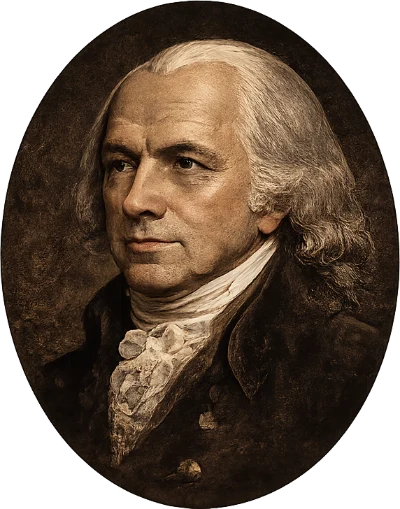
That admission gets to the heart of a constitutional reality that frustrates whichever party happens to be out of power in the White House. While the Framers went to great lengths to restrain the executive branch on domestic lawmaking, they deliberately left the president largely in charge of foreign affairs.
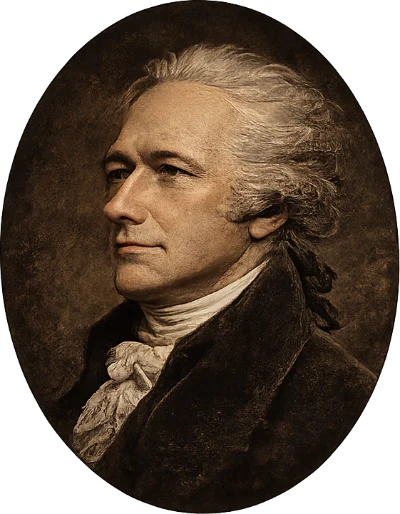
In Federalist 70, Alexander Hamilton explained why, arguing that “energy in the executive is a leading character in the definition of good government.” He noted that the ability and authority to quickly and decisively make decisions and take action are absolutely necessary when dealing with foreign nations. As he wrote in the 1793 Pacificus essays after the Constitution’s ratification, Article II vests the broad “executive power” in the president, leaving Congress only specific, enumerated authorities in foreign policy, like declaring war and, in the Senate’s case, advice and consent on treaties.
From Liberty Nation News, Trivia, Facts, Check Us Out
Stay informed.
Today’s news, the Constitution and American history, written for young readers.
Visit GenerationLiberty.com
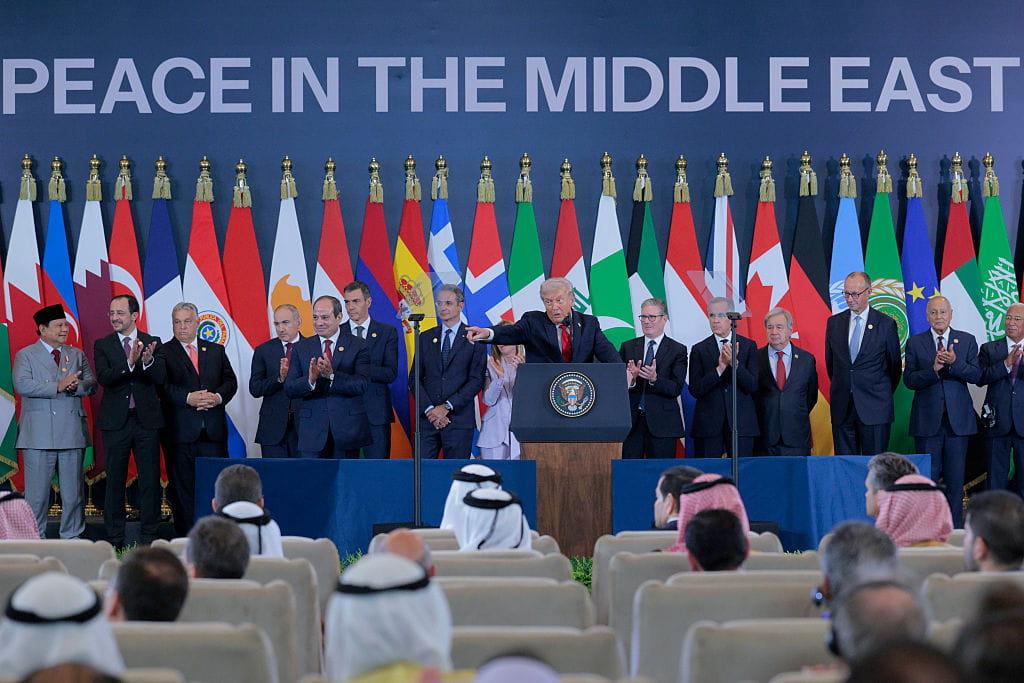
The Supreme Court later affirmed that stance in the 1936 United States v. Curtiss-Wright Export Corp. decision. Justice George Sutherland famously described the president as “the sole organ of the federal government in the field of international relations.” In short, Trump is heavily constrained at home without the consent and cooperation of Congress. And that’s as it should be; it’s what prevents America from being ruled by a king, even if only for four or eight years at a time. But abroad, the president operates far more like a monarch, and that’s the case regardless of who’s in the White House or what party they belong to.
The Veto Wall and the Power of the Purse
What, then, can the 120th Congress actually do once Democrats rule the legislative roost? As Liberty Nation News noted following the midterm election results, not a lot. Democrats won handy majorities in both the House and Senate, but not the two-thirds supermajorities required to override a presidential veto, and that severely limits their ability to put guardrails on President Trump’s foreign policy.
Some lawmakers floated the idea of passing binding legislation to mandate weapons deliveries to Ukraine and Taiwan, or perhaps attaching foreign aid requirements to must-pass bills. Even if such measures do clear both chambers, however, Trump still has the power to simply veto them. Maybe worse for left-wing legislators, he doesn’t even necessarily have to do that in every case. The president, rightly or wrongly, has the option to drag his feet on implementation even when something is law. Sen. Kaine raised the passage of a Russia sanctions bill that cleared Congress with overwhelming bipartisan support earlier this fall as evidence of the power of the legislature, but President Trump had already waived parts of the sanctions.
That only leaves Congress with one real constitutional hammer: the power of the purse. While passing legislation requires sufficient majorities in both chambers of Congress – and two-thirds supermajorities should a presidential veto need to be overruled – refusing to appropriate money for a president’s agenda requires only a simple majority in one chamber. Democrats are already eyeing spending restrictions to choke off funding for military strikes against Iran and suspected drug runners in Latin America, and they’re floating significant cuts to the administration’s $1.5 trillion defense budget request.
A Tight Grip on the Purse Strings Is Painful
But even the power of the purse doesn’t come without a price. Congress can refuse to fund a new initiative. It can hold endless committee hearings to grill Pentagon and State Department officials. What it cannot easily do, however, is force a reluctant commander-in-chief to conduct diplomacy its way.
Moreover, wielding the appropriations axe carries a heavy political risk. Cutting off funds for active military operations or triggering a government shutdown over defense spending invites immediate backlash from the public. Which is exactly why House Democrats are already divided over whether to pick that fight when they return from Thanksgiving break or kick that can down the road to be dealt with next year.
Foreign diplomats may or may not have been comforted by the bold words of visiting senators. But once January arrives, congressional Democrats, no matter how bold they may be today, will quickly rediscover a timeless truth of the American republic: When it comes to foreign affairs, the president is king.