


Rebuilding Ukraine
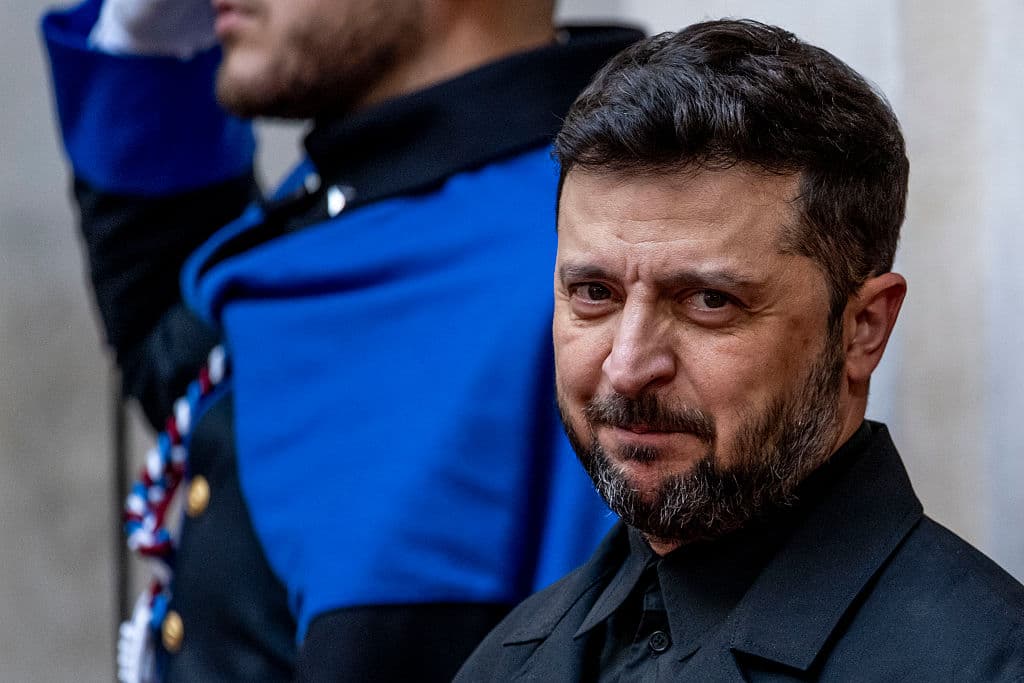
The sticking points in achieving a deal remain the same. Russia wants to continue fighting to gain more territory and improve its negotiating position. Ukraine does not want to trade sovereign territory it still occupies for peace. Ukrainian President Volodymyr Zelensky and his team, with input from US and European partners, have developed a 20-point plan that will soon be provided to the Trump team. It is said to be a refinement of previous proposals, focusing on security guarantees, territorial integrity, and the means to foreclose any future Russian aggression. The Wednesday meeting also included a plan for Ukraine’s postwar reconstruction and economic development, with strategies for US support in rebuilding infrastructure and fostering growth. Present from the US side were Treasury Secretary Scott Bessent, senior adviser Jared Kushner, and “back-channel adviser” to the Trump administration, Larry Fink, CEO of BlackRock. Fink was there to provide financial expertise on the reconstruction costs. According to an X post by Zelensky, the virtual meeting was a “productive discussion”:
“We discussed key elements for recovery, various mechanisms, and visions for reconstruction. There are many ideas that, with the right approach, could succeed in Ukraine. We have also updated our reflections on the 20 points of the framework document for ending the war. It is overall security that will determine economic security and underpin [a] safe business environment.”
Zelensky did not suggest that the newly revised 20-point peace proposal was discussed in any detail. According to The Hill, “Speaking to reporters on [Dec. 9], Zelensky said the new plan could be sent to US officials as soon as Wednesday.” Though Zelensky may have presented the peace document to the Trump team, a comprehensive examination of the new terms and conditions was not the focus of Wednesday’s meeting. The emphasis on reconstruction is a prudent approach to hit the ground running at the end of hostilities. The cost alone will be enormous and will require the best financial minds to structure loans and build a practical economic landscape to bring Ukraine back to pre-war conditions. A cost estimate provided a year ago by the World Bank Group reported, “as of 31 December 2024, the total cost of reconstruction and recovery in Ukraine is $524 billion … over the next decade, which is approximately 2.8 times the estimated nominal GDP of Ukraine for 2024.” As each day passes – with the near-constant Russian attacks on Ukraine’s urban centers, energy sources, and infrastructure – that bottom line increases.
Missing From Recent Negotiations
Of course, one vital factor is missing from the discussions of a potential way forward for Ukraine to rebuild: Russia. President Vladimir Putin has consistently refused to engage in realistic negotiations and persistently makes demands that Ukraine cannot accept if it is to remain a sovereign nation. Though the impression may be that the United States and Ukraine are at loggerheads with Russia, some positive news came from an unexpected source.
According to the Institute for the Study of War, Russia found the recently released US 2025 National Security Strategy “’largely consistent with [Russia's] vision’ and could be a ‘modest guarantee’ that Russia and the United States will be able to continue working toward securing a peace settlement in Ukraine.” While not an enthusiastic embrace of the ceasefire and peace proposals being floated, it is not a whole-cloth rejection. The good news is that negotiations are nearing the endgame. With the weight of the United States, Ukraine, and European partners behind it, the peace plan could work. This is not unrealistically optimistic. It is just optimistic enough. Russia cannot remain the odd man out forever. The views expressed are those of the author and not of any other affiliate.


.jpg%20Redistricting&w=1920&q=75)
.jpg%20Kevin%20Warsh&w=1920&q=75)