
.jpg%20Ukraine&w=1920&q=75)

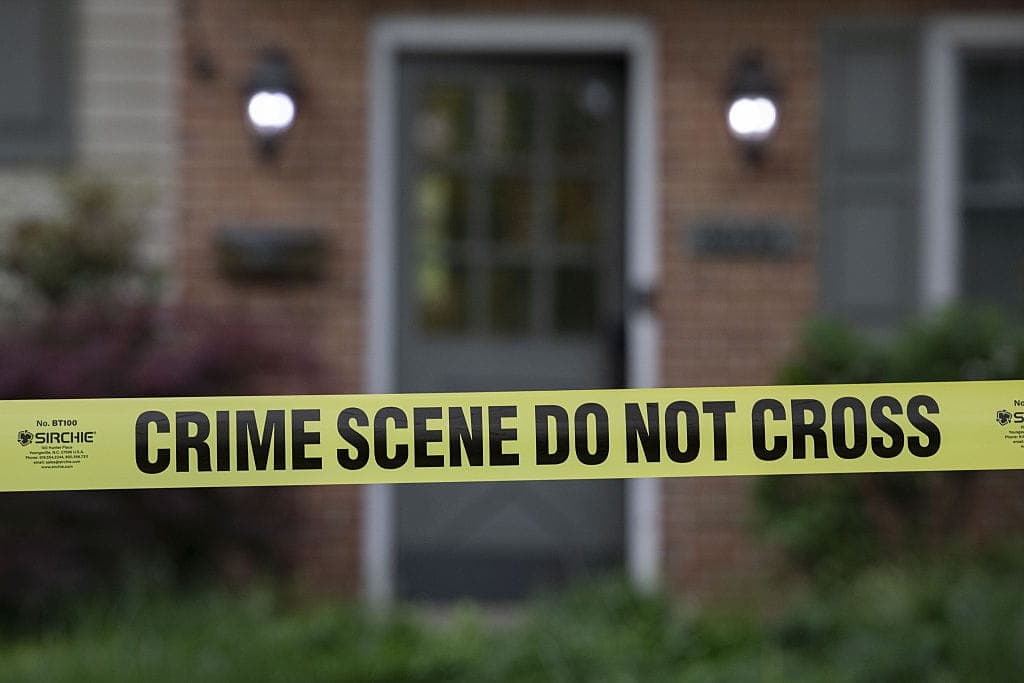
Ukrainian President Volodymyr Zelensky once again dismissed calls for an election while the country remains at war with Russia, insisting that holding them now would pose a “huge risk.” “I believe that if we want to destroy the country, then we can move towards elections during this kind of war,” Zelensky told reporters, later adding, “Elections right now are a tsunami for the country that will split Ukraine.”
With Ukraine’s leadership resisting wartime elections and the conflict well into its fourth year with no end in sight, could the war between Russia and Ukraine be on its way to becoming a permanent fixture in Eastern Europe?
No Elections for Ukraine
Zelensky’s refusal to hold wartime elections comes after former Ukrainian Defense Minister Mykhailo Fedorov – who was ousted after just six months on the job – urged Ukraine to hold a presidential election due to a “crisis of governance.”
Free with the Daily Briefing
85EssaysUnravel the Constitution
Hamilton, Madison & Jay’s complete case for America, free and searchable in the Publius Reader.
Free with the Daily Briefing. Unsubscribe anytime.
Ukrainian law forbids elections during wartime, however, meaning new legislation would be required to allow a vote before the war ends. Notably, a recent survey by the Kyiv International Institute of Sociology found that nearly 60% of Ukrainians want elections to be held at least as soon as the war ends.
In a lengthy video, Fedorov argued Russia has essentially been put in charge of Ukraine’s elections: “Democracy cannot be held hostage by Russia. We must find a legal, safe and realistic mechanism that will allow Ukraine to renew its full democratic process even in the conditions of a long war.”
During an interview with the BBC, Fedorov doubled down on his criticism of the Ukrainian government, highlighting a money-laundering investigation that he said should have Zelensky on high alert. Fedorov noted that he had not personally witnessed Zelensky take part in corruption: “In all the time that I worked with him, not a single time have I received from him any task or assignment that would go against law or my sense of integrity.”
Zelensky insists his “strategy is to steer the country toward an ending of the war and to preserve an independent and sovereign state.” But as unease with his leadership grows, bringing the war to an end could also put his own grip on power at risk. A survey conducted earlier this summer by the Centre for Social Research (Socis) showed broad dissatisfaction with Fedorov’s removal: over 60% of respondents reacted negatively and more than 57% expressed support for the demonstrations that followed.
CIA Director Heads to Russia
After US-brokered efforts to negotiate an end to the war stalled earlier this year as the Trump administration shifted its attention to Iran, a new one-page proposal drafted by Zelensky and US officials could put peace back in play. The plan reportedly establishes a ceasefire and a “free economic zone” in eastern Ukraine’s Donbas region.
CIA Director John Ratcliffe traveled to Moscow on Tuesday amid a flurry of rumors that Russian President Vladimir Putin was preparing to threaten a NATO ally – but President Donald Trump dismissed the speculation, insisting the visit was “semi-routine.”
Still, Trump noted that "something may come out" of Ratcliffe's travels to Eastern Europe, adding: "We're working very hard to get that war ended.”

.jpg&w=1920&q=75)