


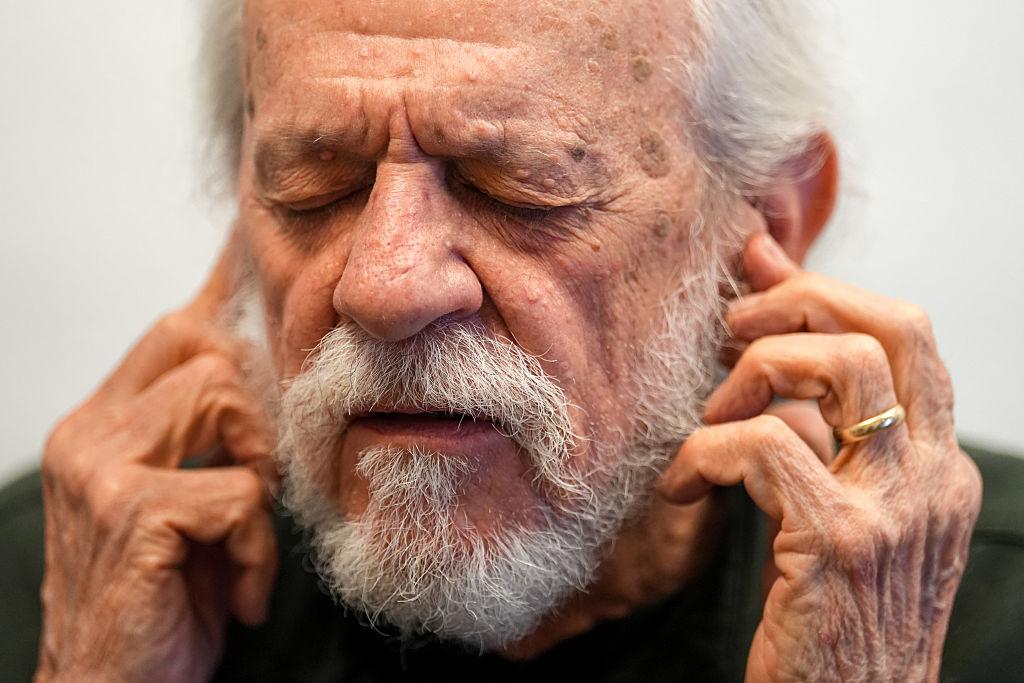

Which came first, the chicken or the egg? That question has been asked for generations, and still no one has a definitive answer. Now, here’s another one: Which came first, loneliness or hearing loss? The two are intertwined, influencing each other. A study this year suggests loneliness predicts poorer hearing years later, and another study suggests impaired hearing can lead to loneliness. A deeper dive into the two theories could provide some more insight.
The Studies
A study published online in March in the Journal of Psychosomatic Research examined the association between loneliness and hearing function among middle-aged and older adults in the US and Europe. Researchers studied more than 11,000 adults between 50 and 93 from two long-running projects: the US Health and Retirement Study and the English Longitudinal Study of Ageing. Scientists measured loneliness at the beginning and then examined participants’ hearing eight to ten years later.


Free with the Daily Briefing
85EssaysUnravel the Constitution
Hamilton, Madison & Jay’s complete case for America, free and searchable in the Publius Reader.
Free with the Daily Briefing. Unsubscribe anytime.
After factoring in health and lifestyle issues such as diabetes, smoking, depression, and social isolation, they discovered that loneliness is associated with approximately 8% higher odds of developing hearing loss.
Another study, “Loneliness and Risk of Incident Hearing Loss: The UK Biobank Study,” published in May 2025, examined whether loneliness was associated with new cases of hearing loss. Researchers followed UK Biobank participants for more than a dozen years and found 11,596 people had developed hearing loss. They compared those who reported loneliness with those who didn’t and found a 24% higher risk of developing hearing loss in those who were lonely.
Another distinction the scientists made was that there’s a difference between social isolation and loneliness. Someone can be in contact with others and still feel lonely, so social isolation didn’t show the same association with hearing loss as someone suffering from loneliness.
A Canadian study from this year examined the data from 30,097 participants in the “Canadian Longitudinal Study on Aging” and found a surprising connection for women ages 45-64. Poorer hearing in this group predicted later loneliness, and loneliness predicted later hearing loss. This wasn’t the same for other age and gender groups, according to the study.
Loneliness and Hearing Loss
Now that we know there is a relationship between loneliness and hearing loss, what causes this? How are they intertwined? Researchers have known for years that hearing loss and loneliness often go hand in hand. A 2009 study of 1,511 adults found that for every one-decibel decline in a person's ability to understand speech when there was background noise, their odds of experiencing severe loneliness increased by 7%. In a 2025 study, researchers found that for every ten-decibel worsening in hearing ability, participants scored an average of 1.43 points higher on a scale measuring loneliness.
From Liberty Nation News, Trivia, Facts, Check Us Out
Stay informed.
Today’s news, the Constitution and American history, written for young readers.
Visit GenerationLiberty.com
Hearing loss isn’t just inconvenient; it can lead to anger, stress, and depression, not just for the impaired person, but for their loved ones and social circle as well. Family members have to speak loudly and often repeat themselves while the one suffering struggles to understand what is being said. This can cause problems in marriages, work, and at social gatherings. As a result, some people withdraw from social settings, family get-togethers, and other activities that may cause them discomfort and embarrassment because of their impairment.
Hearing loss can also make some people less likely to see a doctor for fear they won’t hear the diagnosis correctly, potentially exacerbating other health issues simply by lack of detection and treatment.
So, which came first, loneliness or hearing loss? Much like the age-old chicken-or-the-egg debate, there may never be one answer that fits everyone. For some, hearing difficulties can make socializing so frustrating that they begin withdrawing from others. For others, loneliness may come first, with hearing problems developing years later. Researchers are still trying to understand exactly how the two are connected.