


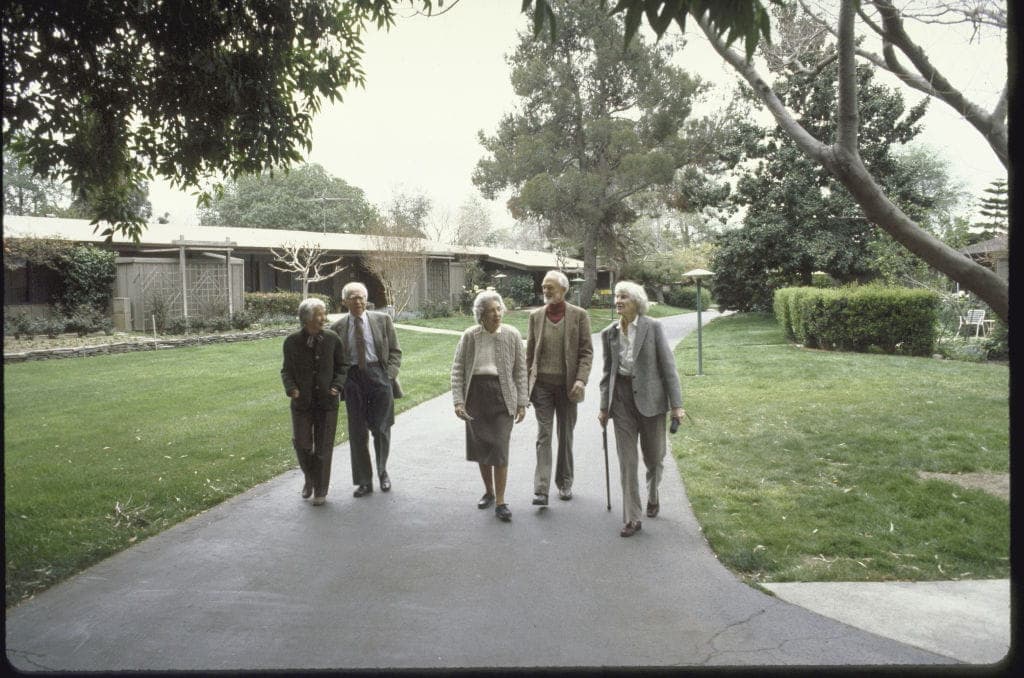

For a long time, retirement homes have allowed seniors to live in communities with other older people, in a safe environment with entertainment, meals, and even medical assistance. These facilities helped ease loneliness and provided a safe space where most needs were met. But the fad seems to be fading. The cost is growing far beyond what many elderly people can afford, and according to an AARP survey, more people wish to live out their golden years in the comfort of their own homes. But even that comes with challenges.
Seniors Prefer to Stay Home
AARP’s 2024 Home and Community Preferences Survey reached out to 3,090 US adults and found that 75% of seniors aged 50 and older want to remain in their current homes as they age, while 73% said they want to stay in their existing communities. Unfortunately, 44% expect they will have to move for various reasons. The University of Michigan’s 2022 National Poll on Healthy Aging surveyed 2,277 Americans between the ages of 50 and 80 and found that 88% considered remaining in their homes for as long as possible.
If older Americans overwhelmingly want to stay put, why do so many believe they won't be able to? According to the AARP survey, 44% think they’ll have to move despite wanting to stay home. Of those surveyed, 71% said it was due to rent or mortgage costs being too high to continue being able to afford to live in their own homes. Sixty percent cited reducing housing and maintenance expenses, and 55% cited property taxes.
Not everyone is interested in adult communities, though. Just 32% said they’d be interested in relocating to one, while only 29% expressed interest in a continuing care retirement community.
In some ways, it’s easier for seniors to stay at home now. Advanced technology makes getting medications and groceries easier, and even at-home medical assistance is now much more convenient. Services that used to only be provided in retirement homes and assisted living facilities are now available.
Challenges of Aging at Home
But then there are other problems and concerns for seniors wishing to remain at home, like updating the residence to fit their growing needs. AARP found that 43% of adults 50-plus believe they’ll need to modify their homes to accommodate their needs as they age. Of the biggest concerns, 72% expect bathroom modifications such as grip handles in the shower or bathtub, 71% anticipate changes to improve access into and around the house, including wheelchair ramps, and 64% think they may need to install a medical emergency response system. AARP reported that just 1% of US homes have five important accessibility features for seniors, including zero-step entries, single-story living, wide doors and hallways, lever-style handles, and electrical controls accessible from a wheelchair.
AARP found that 61% of seniors above 50 would prefer to receive care in their own home using a combination of family and paid assistance. The National Institute on Aging explained aging in place can involve home health care, help with bathing and dressing, meal preparation and household chores, medication assistance, and transportation. Oftentimes, an adult child, spouse, or other relative takes on these duties, sometimes as a paid caregiver.


Free with the Daily Briefing
85EssaysUnravel the Constitution
Hamilton, Madison & Jay’s complete case for America, free and searchable in the Publius Reader.
Free with the Daily Briefing. Unsubscribe anytime.
A 2025 study published in Health Affairs Scholar surveyed 2,020 adults and found that 20.8% were currently caregivers, 27.1% had provided care during the previous 12 months, and a whopping 59.8% expected to provide care for a family member or friend in the future. The latter statistic represents an estimated 155.3 million American adults. So, basically, researchers said nearly six in ten Americans anticipate having caregiving responsibilities in the future.
But caregiving is not an easy choice and can be expensive for the caregiver. Northwestern Mutual released its 2025 Planning & Progress Study – Long-Term Care and Caregiving and reported that caregivers had to adjust their finances to be able to assist someone. A quarter of the people took money from their personal savings, 23% worked longer hours or took a second job, 22% accumulated credit card debt, 20% delayed paying down their own debt, some asked family or friends for financial support, others took money from accounts they had set up for their own retirement, and still others took out a second mortgage.

It’s not cheap to have at-home assistance. As Northwestern Mutual reported, citing a 2024 Illumifin Cost of Care Study, the annual cost of a home health aide providing just eight hours of care per day was $96,360. It provided a hypothetical projected cost based on an annual increase of 5% in long-term care: $437,285 by the year 2055, going up to $531,523 by 2059.
"Long-term care is a common financial blind spot – something that individuals and families think they can deal with in the moment if it happens," said Kamilah Williams-Kemp, Northwestern Mutual chief product officer.
For many seniors, it seems there really is no place like home, and retirement no longer has to mean packing up and moving into a community filled with people the same age. The desire to stay put is certainly there, but desire alone won't make it possible. As costs rise, homes age along with their owners. Everyday tasks become more difficult, and remaining independent can bring obstacles that weren't part of the retirement dream. Seniors may be rethinking where they spend their golden years, but making "home sweet home" last a lifetime could be the biggest challenge of all.

.jpg&w=1920&q=75)