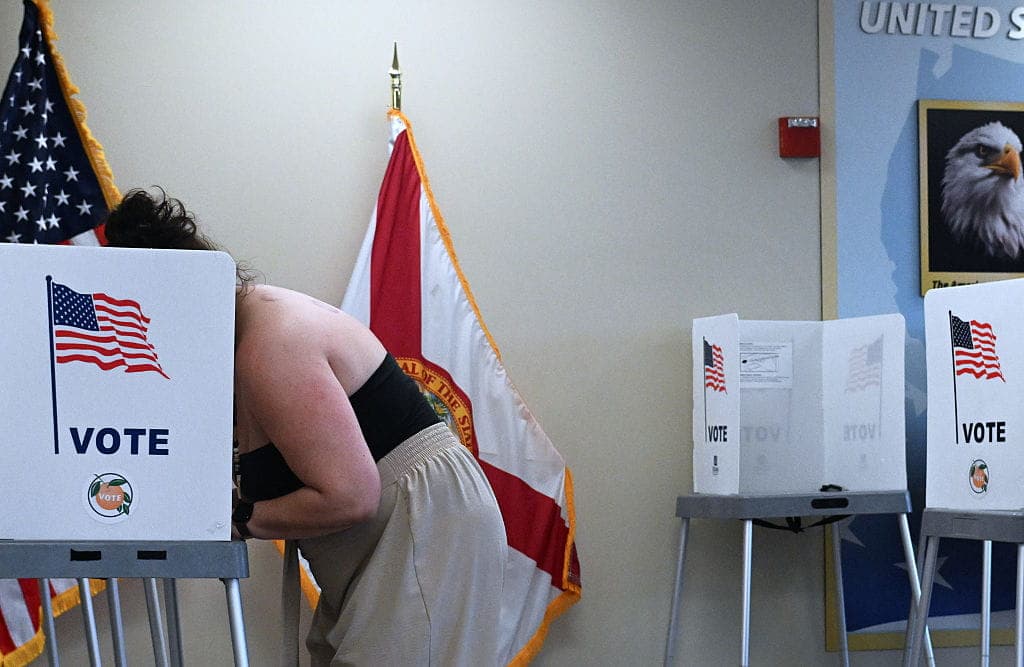


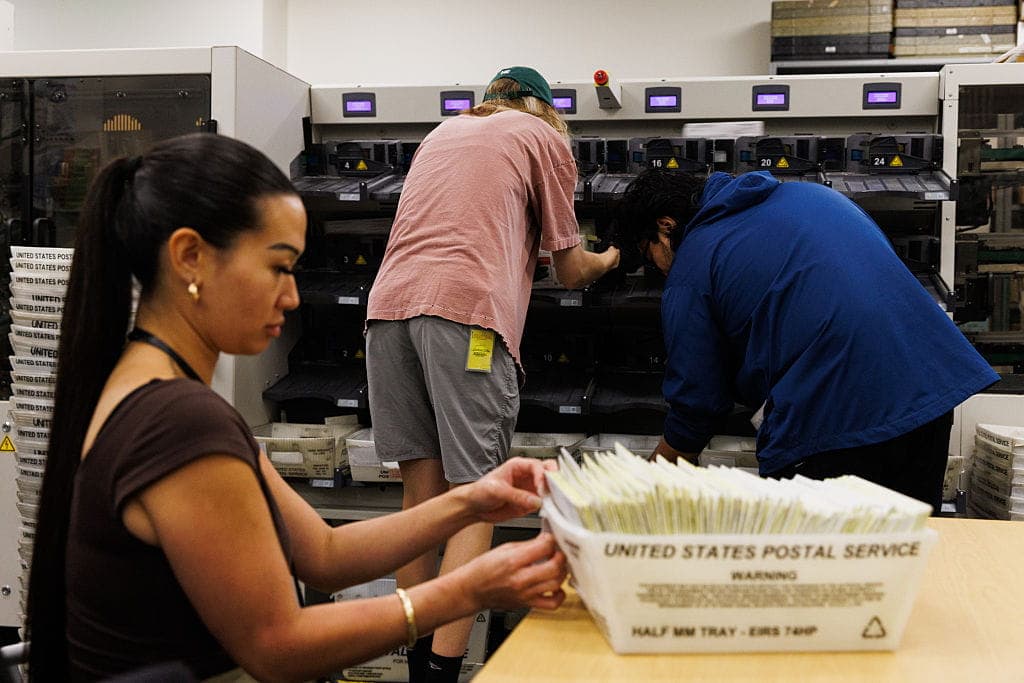

Tired of federal or even state lawmakers toying with the meaning of “shall not be infringed”? Well, this year, gun rights are heading to the ballot. And isn’t that the Federalist way — to let the voters decide in their own states?
From a constitutional upgrade in the Ozarks to a grassroots revolt in New England, state ballots are testing the boundaries of gun rights, legislative overreach, and even official state symbols in a Second Amendment midterm.
A Natural Right in the Natural State
Voters in the Natural State get a shot at amending the Arkansas Constitution this year. Since 1874, Article II, Section 5 has consisted of just 18 words: “The citizens of this State shall have the right to keep and bear arms, for their common defense.”
To most of the rural folk of Arkansas, this wording is as simple as the federal version’s “shall not be infringed.” But modern times bring modern attempts to work around such simple protections, and wording like “for their common defense” could leave the door cracked for attacks on individual gun rights.
Issue 2 (originally Senate Joint Resolution 11) would beef up the constitutional protections and leave little room for interpretation. If the amendment passes, the section would read:
“(a) The citizens of this State shall have the right to keep and bear arms for: (1) Their common defense; (2) Lawful hunting and recreational use; and (3) Any other lawful purpose.
“(b) The right to keep and bear arms under subsection (a) of this section includes without limitation the possession and use of: (1) Ammunition; (2) Firearm accessories; and (3) Firearm components.
“(c) The right to keep and bear arms under subsection (a) of this section is a natural, fundamental, and individual right that shall not be infringed.”
Arkansans already voted in 2010 to pass Amendment 88, which established a constitutional right to hunt, fish, trap, and harvest wildlife — but this connects the tool directly to the tradition. Tying hardware directly to hunting and sport within the Bill of Rights would make it much more difficult to classify semi-automatic shotguns and sporting rifles as non-essential or unprotected.
It’s a direct response to one of the left’s favorite workarounds to attack gun rights as well: choking out the supply of ammunition or components — and “without limitation” covers examples not explicitly mentioned here.
Grassroots Gun Rights in the Bay State?
More than a thousand miles northeast, Massachusetts voters face the mirror image on their own ballots. Rather than expanding constitutional guarantees, Bay State voters have a veto referendum asking whether to preserve or overturn one of the strictest, most densely packed gun control packages in recent memory.
Back in July 2024, the Massachusetts legislature passed — and Gov. Maura Healey quickly signed — Chapter 135, titled “An Act Modernizing Firearm Laws.” It spans more than 100 pages and includes an expanded “assault weapons” ban, new licensing mandates, enhanced red-flag provisions, and restrictions on gun rights for young adults.
In what may seem like a backward structure, a “Yes” vote on Question 9 upholds the 2024 statute, leaving that massive gun control omnibus in place. A “No” vote would repeal it entirely. It’s a rare instance of direct democracy challenging the deeply entrenched anti-gun politicians in the state legislature.
Honorable Mentions on the Second Amendment
Beyond the marquee fights in Little Rock and Boston, firearms have found their way onto ballots in decidedly different forms.
Alabama Hammers Down: In the Yellowhammer State, voters have already spoken. During the May primary, they overwhelmingly approved Amendment 1 with 81.6% of the vote. The measure had little to do with lawful firearm ownership and everything to do with criminal justice. It amended the state constitution to allow judges to deny bail to defendants accused of shooting into occupied buildings or vehicles.
From Liberty Nation News, Trivia, Facts, Check Us Out
Stay informed.
Today’s news, the Constitution and American history, written for young readers.
Visit GenerationLiberty.com
Idaho Gun Icons: Gem State voters have a gun-related ballot item that’s just for fun. It bears no real statutory weight, as the legislature would have to officially adopt the winner in a future session, and it won’t affect the rights of the people at all. But it will answer an important question. Which of the following iconic firearms will be the official state gun: Winchester Model 1894 (.30-30), Winchester Model 1873 (.44-40), 1873 Colt Single Action Army Revolver (.45 Colt), M1 Garand (.30-06), Colt M1911 (.45 ACP), or Remington Model 700 (.30-06)? As civic exercises go, choosing between John Browning’s workhorse and the rifle that is credited with helping win World War II is a lot more fun than debating taxes.
Colorado on the Hunt: Amendment 83 in the Centennial State is less about firearms and more a matter of how they — and other tools — are used. The citizen-initiated amendment would enshrine a constitutional right to hunt, fish, and harvest wildlife using “traditional methods” and designate hunting and fishing as the preferred means of wildlife management. What exactly are “traditional methods”? Well, the term isn’t really defined in the amendment. But the goal is protecting hunters, trappers, and anglers from an aggressive animal-welfare lobby that has tried over the years to chip away at this heritage in various statewide and local ballot questions.
From the Beltway to Ballot Initiatives
Whether beefing up protections for ammunition and gun parts and honoring hunting in Arkansas and Colorado, protecting gun rights from an aggressive legislature in Massachusetts, or picking out your favorite historical hardware in Idaho, these measures highlight a new reality in modern firearms policy. The battle for gun rights isn’t just being fought inside the Beltway and in state legislatures. The courts and now even the people are having their say.