


Once supposedly the party of the working class and champions of the downtrodden, the modern American Democratic Party now represents two factions of society. The first of these two groups could be described as moderate left-of-center voters who believe government has a major role to play in ensuring and guaranteeing the general welfare of the people. The second demographic is an increasingly extreme progressive left that not only wishes to impose its political doctrine upon all of America but also believes that those who refuse to comply should be cast out and ostracized – perhaps even punished. Unfortunately, the twisted ideals of this second group have permeated corporate America, Wall Street, the media, and the entertainment industry. This has led to the rise of cancel culture, and one of the most insidious aspects of that new trend is known as debanking.
As the word suggests, debanking is when financial institutions sever ties with business or other organizations that do not align with the ideology of the radical left. It began when some of the larger banks caved to pressure from left-wing activists and declined to continue providing banking services to what one Newsweek opinion piece described as “politically disfavored industries.” The first targets were the obvious ones: firearms manufacturers and oil companies.
Debanking Claims More Political ‘Undesirables’
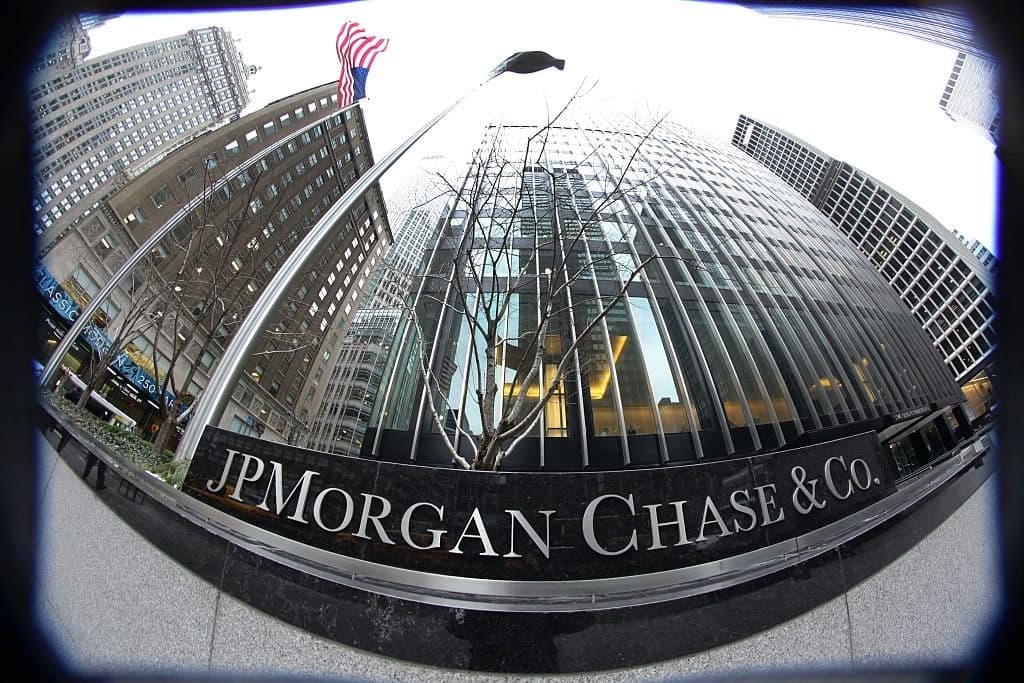
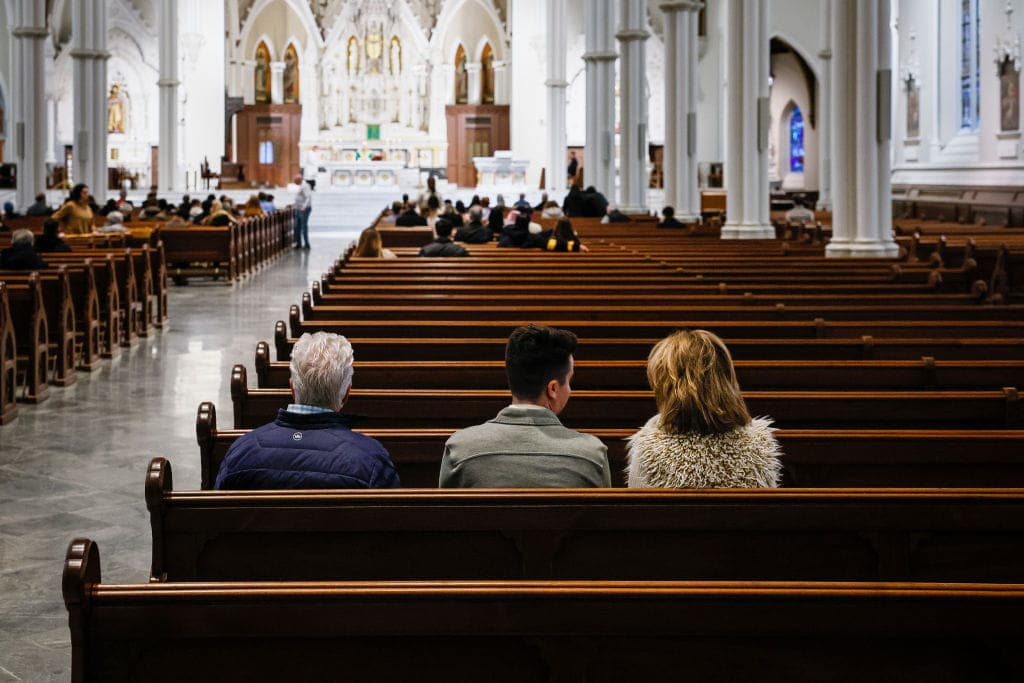
More recently, though, this disturbingly anti-freedom practice has affected faith-based organizations. Well, not just any faith-based groups, but specifically Christian nonprofits engaged in the protection of religious freedoms. Two such organizations are The National Committee for Religious Freedom (NCRF) and the Alliance Defending Freedom (ADF). The NCRF had its checking account closed by JPMorgan Chase. Under pressure to explain itself, Chase later said it might reinstate the account if NCRF disclosed the identities of its largest donors.
Another financial institution, Fidelity Charitable, would not accept donations into the ADF’s account unless those donors, too, were willing to waive their anonymity. Fidelity Charitable insists that it "does not limit grantmaking based on political, religious, or philosophical grounds." However, there have been no reported instances of left-wing organizations that bank with the firm being hindered in any way from collecting donations.
One of the latest victims of debanking is Indigenous Advanced Ministries, a nonprofit that focuses on charitable work for orphans in Africa. This ministry is pro-life, though, and also promotes marriage as being between one man and one woman. In April, Bank of America (BofA) informed the organization that its account would be closed because it was "operating in a business type we have chosen not to service at Bank of America.”
The practice of debanking has nothing to do with legitimate concerns about certain business models or risk profiles, as Chase, Bank of America, and other financial institutions claim. Many of the entities being canceled by the banking industry are long-time clients. Indigenous Advanced Ministries had two accounts with BofA and had been a customer since 2015.

(Photo by Tim Clayton/Corbis via Getty Images)
These banks come up with excuses after the fact and only when challenged on their exclusionary practices. They usually cite bank policies, but only clients that hold what are generally considered to be traditionally conservative values are targeted. The pattern is both undeniable and troubling. Wells Fargo is another debanking culprit, as is the online payment and banking service PayPal.
Far-fetched as it might seem to some people, could we reach the point where private individuals are commonly refused financial or other services based upon their political or religious beliefs? In fact, it has already begun. In 2021, Chase closed the account of former Trump National Security Advisor Lt. Gen. Michael Flynn.
What happens to a country in which a whole section of the population is denied access to the kinds of facilities and services once taken for granted – simply because those people are considered “politically disfavored”? How long would it be before that country disintegrates entirely? What these banks are practicing is, in fact, textbook fascism. So, where are the self-proclaimed anti-fascists when they are needed? Perhaps, as increasingly appears to be the case, “anti-fascist” is merely a slogan behind which progressives hide to conceal their own totalitarian tendencies.




.jpg&w=1920&q=75)