

The Trump administration’s fight to stop noncitizen voting and voter fraud in general has been an uphill battle. As Election Day draws near, the constant pushback by state officials – and now even a federal judge – has made the footing even less reliable.
In fact, the very existence of that day as a perceived deadline of this effort is part of the problem. Were federal efforts rushed? Are state officials right to push back this close to the election? Both sides have charged each other with making vague allegations and failing to be transparent about the data – and that’s keeping the issue nice and muddy. In that regard, at least, both sides are right.
Noncitizen Voting – A State and Federal Fight
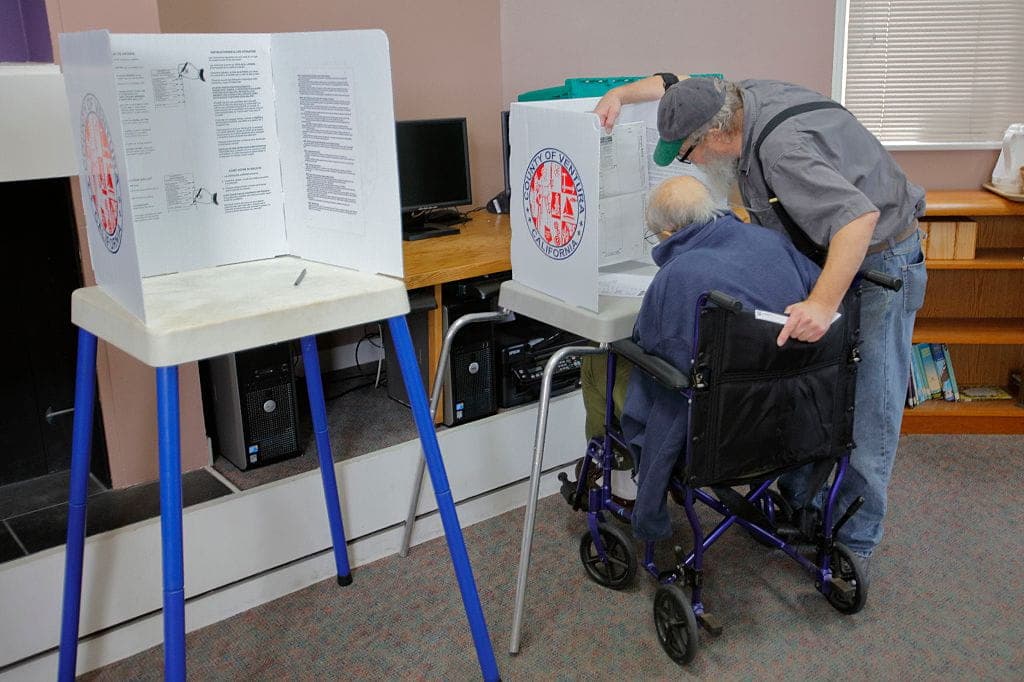
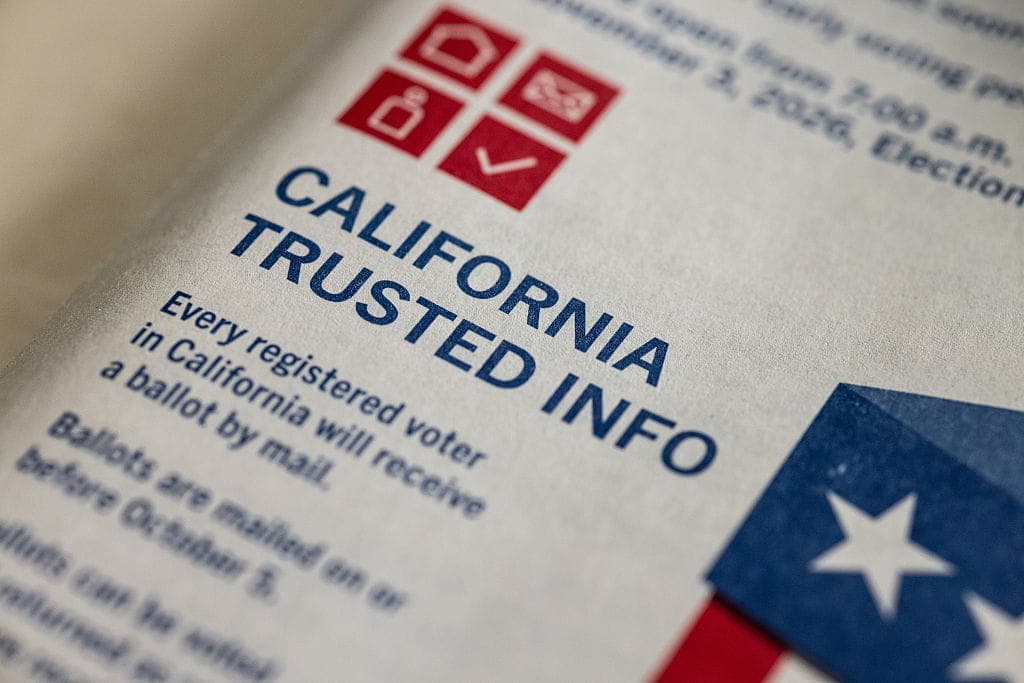
As Liberty Nation News reported last week, the Trump administration sent California election officials a list of more than 20,000 names of people suspected to be noncitizens registered to vote. Critically, the administration didn’t ask for these people to be removed from the voter rolls straight away. Rather, the request was that the state verify these people’s citizenship and make sure they were legitimately eligible to vote – and, should any on the list submit a ballot, to hold that ballot aside until verification could be completed.
But that request came with a 48-hour deadline, which wasn’t met, and so the DOJ sued California and its election officials in federal court.
Well, the administration wasn’t the only side to take this to the federal level. Back in September, a pair of nurses’ unions, the governments of San Francisco and Santa Clara County, and a group focused on Latino voter registration and turnout sued to stop the Trump administration’s door-to-door investigations. US District Judge Araceli Martínez-Olguín – an immigrant born in Mexico City who worked at the National Immigration Law Center, a co-counsel on this case, before being appointed to the bench by Joe Biden – ruled to restrict the Department of Homeland Security from election-related investigations in nine states.
Part of her reasoning was that the government lists likely are plagued by errors that could sweep up US citizens and cost them the right to vote in this election. She also, however, delayed implementation of her ruling until 5 p.m. Friday to give the Trump administration time to appeal.
USCIS concedes, she points out, that errors will result from “[s]imilar names, incomplete records, outdated citizenship information, clerical errors, and other circumstances.”
If complying with the federal request would indeed disenfranchise any of the people on the list, that would be a serious issue. Is it wrong to stop noncitizen voting? Regardless of whatever moral or ethical opinion one may hold on the issue, noncitizen voting is illegal.
And that’s not the only problem this push might have at the federal level. Section 8(c)(2)(A) of the National Voter Registration Act of 1993 reads:
“A State shall complete, not later than 90 days prior to the date of a primary or general election for Federal office, any program the purpose of which is to systematically remove the names of ineligible voters from the official lists of eligible voters.”
‘Questionable Data’ and ‘Vague Allegations’ Muddy the Waters
Is noncitizen voting allowed? No. By law, should those who commit voter fraud be prosecuted and have their votes rejected? Yes. Are governments allowed to systematically purge their voter rolls this close to an election? No. If an effort to do so – federal or otherwise – violates the rights of US citizens to vote, is that a problem? Absolutely.
See, if we stick to the surface level of this issue, all the answers have easy, cut-and-dried answers – which seem to contradict each other. But the issue isn’t so clear even as that. The real questions here are numerous and more nuanced.
From Liberty Nation News, Trivia, Facts, Check Us Out
Stay informed.
Today’s news, the Constitution and American history, written for young readers.
Visit GenerationLiberty.com
In a whistleblower report released last month, Sens. Chuck Schumer (D-NY) and Alex Padilla (D-CA) called the underlying information the feds used “highly questionable data.” On the other hand, the administration also said the allegations of voter intimidation – the core issue Democrats have taken with this push nationwide and especially in California – are too vague. Both sides have some good points in their allegations against each other.
For example, does the NVRA apply to noncitizens? They’re legally forbidden from voting in federal elections anyway, which means they aren’t eligible voters. Does it count as a program to systematically remove voters when DHS sends a list of suspected noncitizens over and the states then verify them on an individual basis? These are two of the big arguments being made by the administration in this effort to crack down on noncitizen voting and fraud in general.
Would complying with the federal ask here result in any US citizens losing their votes? What even is the ask? If the request is that individuals be verified as citizens before their votes are counted, then it’s highly unlikely – even if much of the data the feds used was erroneous for one reason or another – that any US citizen will not have his or her vote counted. Still, if the potential exists, the constitutional conundrum does as well. The easiest solution to this problem – and answer to the question of how many eligible citizens are erroneously on the list – is likely to immediately verify the names at the state level. But that isn’t what Golden State officials chose to do. Rather, they chose to fight – ostensibly for the rights of actual US citizens who might be on the list, but in actual practice, also for all the noncitizens who have committed or plan to commit voter fraud who actually belong on that list.