

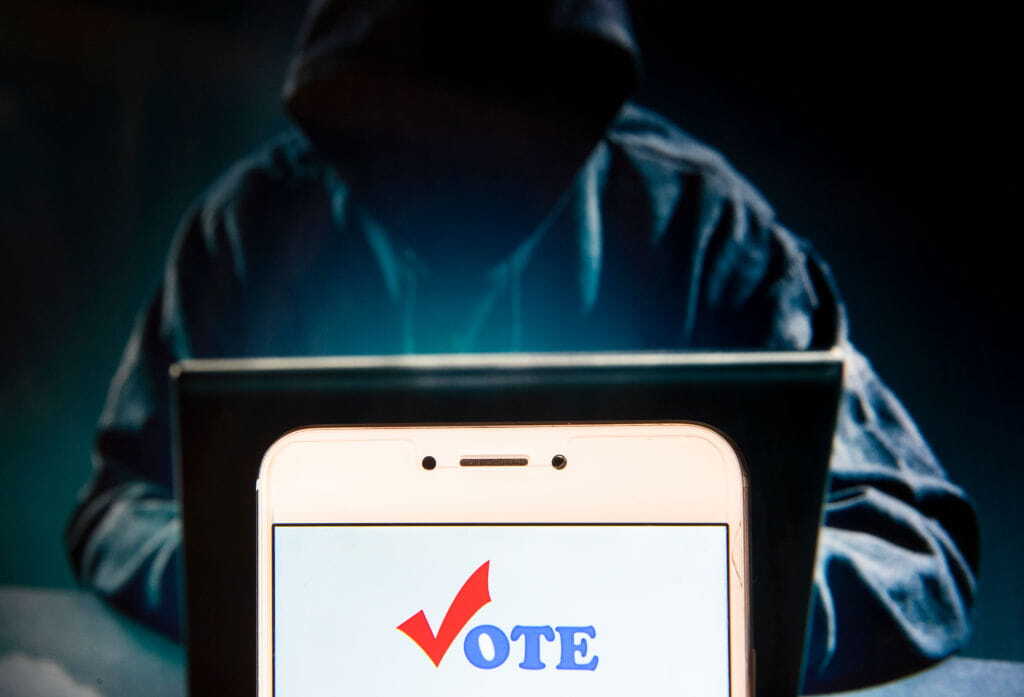

The polling industry is in the spotlight again after a purported pollster, Wedgewood Polls, released a statement admitting all but one survey it published was fake and that the endeavor was an “experimental project.” If this story sounds familiar, that’s probably because another supposed polling firm, Median Strategies, also confessed to making up polls earlier this year and used similar language to justify its deceptive actions. Wedgewood, however, released several more surveys than Median, many in key battleground races, leading some Democrats to claim one fake poll tanked their hopes of getting their preferred candidate into the general election.
Playing Whac-A-Mole With Fake Polls
After receiving a tip that Wedgewood was fabricating numbers, researchers at FiftyPlusOne, a website founded by former staff of the data-journalism website FiveThirtyEight, obtained the firm’s raw data for a recent Mississippi Senate survey and identified several discrepancies. After its investigation, FiftyPlusOne reached out to Wedgewood and requested a comment on its findings, but the firm didn't respond – except for a direct message that essentially gave the researchers the middle finger. Wedgewood published a statement on X admitting its data was made up, saying the project was designed as a “wake-up call” intended “to demonstrate the vulnerabilities, lack of oversight, and overall low barrier to entry in the modern political polling industry.”
“Our fabricated numbers were given instant credibility across national media platforms,” the statement said. “The ease with which unverified figures were absorbed into mainstream political narratives highlights a systemic breakdown in media vetting and data aggregation.”
In reality, most aggregators did their due diligence before adding Wedgewood polls to their data, including The New York Times and FiftyPlusOne. The Wedgewood team answered numerous questions about its methods and funding, even offering details about the identities of the people behind the group, checking enough boxes to get its polls aggregated. One of the two behind the outfit even had previous polling experience with a group called SoCal Strategies, which, since Wedgewood came clean, has deleted its website, Substack, and X account. FiftyPlusOne published a follow-up investigation yesterday detailing SoCal’s connection to Wedgewood and announced it was removing some of SoCal’s polls. (Liberty Nation News has deleted all Wedgewood and SoCal polls from its polling aggregator, the Public Square).
The actual details behind all these findings seemed to be ignored by many online. Despite the standard background work many aggregators did, several leftists quickly turned on the outrage machine. While more scrutiny appears warranted, the backlash against the aggregators seems overblown. Some took the sensationalism even further, hanging a whole lot of blame on one fake poll.
Phony Numbers, Real Excuses
Most of Wedgewood’s polls leaned toward Democratic candidates. However, in races for which the Silver Bulletin keeps averages, Wedgewood’s surveys were only “about 0.6 points more favorable to the Democratic candidate on average,” explained Nate Silver. Still, some leftists appear adamant Wedgewood is responsible for disrupting at least one race.
Writer and activist Amy Siskind claimed on X that “Wedgewood polling caused Democrats to end up with the least electable of the three candidates running in the primary in Michigan, and it has cost our party tens of millions of dollars to try to protect what should be a safe blue seat.” Yet the Democratic nominee, Abdul El-Sayed, leads Republican Mike Rogers by nearly 2 points in the Public Square average. Besides, voters will decide who is electable on November 3.
In addition to Siskind’s criticism, Democrat Mallory McMorrow, who dropped out of Michigan’s US Senate race before the primary, published a series of X posts blaming Wedgewood for her failed Senate bid, upset that a Wedgewood poll in June showed her “plummeting into single digits” and “was at odds with our internals.” She said her donations dried up as a result. “Volunteers were devastated and pleading for guidance on what to do,” wrote McMorrow. “Reporters hounded me with calls to drop out.”
Early in the year, her campaign appeared to show promise, but it never gained the momentum necessary to compete with El-Sayed’s rise. By May, several polls showed her support slipping, and undecided voters began moving toward El-Sayed, causing the gap between her and the top of the field to grow. A survey by Mitchell Research & Communications, released just before the June Wedgewood poll, showed her with just 6% support.
Overall, it’s a good idea not to focus too much on one poll result, especially since many are partisan or internal, meaning they typically paint a more favorable picture of one candidate. Wedgewood released only around 15 polls and rarely had more than one survey in a general election race. If the fraudsters wanted to influence an election, they probably would’ve fabricated more polls. Of course, the culprits claimed reform was the endgame, but if that was the case, why did they keep the scheme going for so long? Why not stop after a few primary polls, then confess, outline what they learned, and recommend improvements? As it stands, the timing of their confession is highly suspicious and suggests it would’ve continued releasing polls indefinitely.
In the end, if one poll, real or fake, can tank a campaign, perhaps that candidate wasn’t going to win anyway.