
In case you blinked on Nov. 20, you might have missed the blood on the streets. The tech-heavy Nasdaq erased this year's gain. The blue-chip Dow Jones Industrial Average and the broad-market S&P 500 slipped into correction territory, meaning down 10% from their recent peak. Market watchers have attributed the sharp selloff to a confluence of factors, including the Federal Reserve. But is the Fed a culprit? It could be the main character.
Mutiny at the Fed
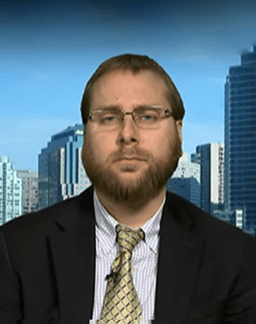
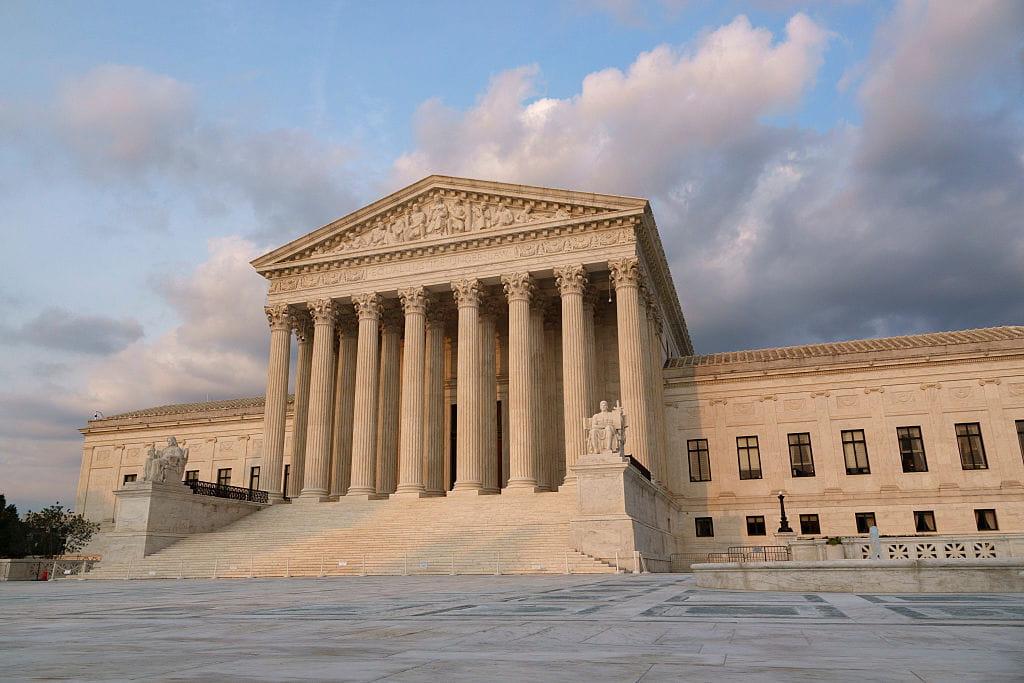
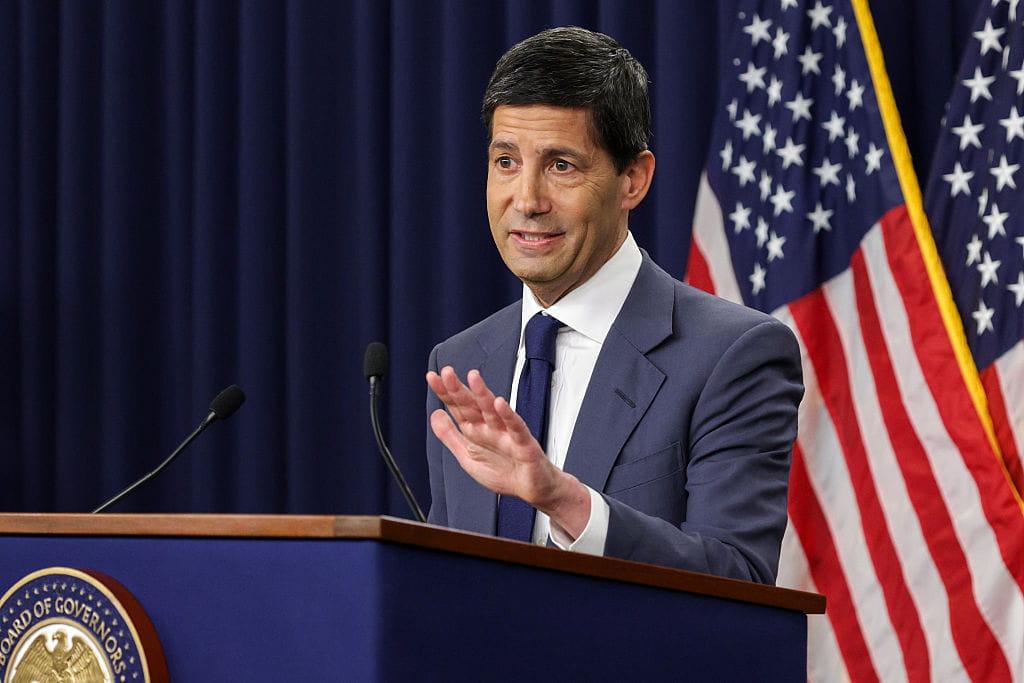
One of Chairman Kevin Warsh's chief objectives was to make sure the Fed talks less and thinks more. Despite launching multiple task forces to bring revolution to the more than century-old institution, it seems all of the chairman's men and women are ignoring his appetite for change.
A key reform was to remove forward guidance, a communication tool introduced in the early 2000s by then-Chairman Alan Greenspan. This measure involves telling financial markets what the Fed may or may not do, giving Wall Street a heads-up and preparing for the best or worst. Warsh wants less of this. Silence is golden, as the man says.
Free with the Daily Briefing
85EssaysUnravel the Constitution
Hamilton, Madison & Jay’s complete case for America, free and searchable in the Publius Reader.
Free with the Daily Briefing. Unsubscribe anytime.
While the new central bank leader has mostly been quiet on upcoming policy, his colleagues have done nothing but talk heading into the December Federal Open Market Committee. According to economists at Bank of America Global Research, about 40 speaker events have occurred as of Nov. 9. What's more, much of what they have said projects higher interest rates and tighter monetary policy.
Someone who may have done the most damage is Fed Governor Christopher Waller, who was considered a candidate to succeed Jerome Powell earlier this year. He recently proposed to "shock people" by pulling the trigger on a half-point interest rate hike at next month's meeting. This is coming from someone who had argued for lowering interest rates before Warsh was selected for the top job at the Eccles Building.
Others have backed at least a quarter-point rate increase at the final meeting of 2026 and further hikes heading into 2027. Minutes from last month's FOMC meeting indicated that Warsh's colleagues are all but placing their chips on additional tightening in 2027.
Economic observers can debate whether this is a worthwhile position. Many signs point to disinflation ahead. Fed officials have moved the goalposts and now blame artificial intelligence, not the energy shock, for inflation. November's numbers are forecast to range from -0.1% to +0.1%.
Either way, the hawkish stance is spooking investors and signaling mutiny within the Federal Reserve System.
Is Trump Right?
In a lengthy Nov. 20 news conference, President Donald Trump said the United States should have the lowest interest rates in the world. Instead, according to Trump, the world’s biggest economy has high rates because the Fed is “very political.”
From Liberty Nation News, Trivia, Facts, Check Us Out
Stay informed.
Today’s news, the Constitution and American history, written for young readers.
Visit GenerationLiberty.com
"We should have the lowest interest rate anywhere in the world, because we’re the one, we’re the country that makes other countries successful," the president told reporters, adding that the GDP growth rate would be as high as 20% instead of the current 3% expansion. “When we have these great numbers that we have, you shouldn’t keep raising rates, you should lower rates,” he said
Some of this is incorrect. Lowering the benchmark federal funds rate would not generate 20% growth. Additionally, the Fed does not have a magic wand that would suddenly bring down 10- or 30-year Treasury yields to pandemic-era levels. But the central bank is on the cusp of another policy blunder, like a few years ago when Powell and Co. left rates too low for too long.
The Art of Warsh
Indeed, Kevin Warsh is not Henry Fonda’s character from 12 Angry Men. Public comments from a chorus of monetary policymakers – Waller, Dallas Fed President Lorie Logan, Vice Chair Philip Jefferson, and even New York Fed President John Williams – could be undermining (directly or indirectly) Warsh’s early tenure. What’s worse, US stocks are suffering, and this is how it feels when doves cry.