
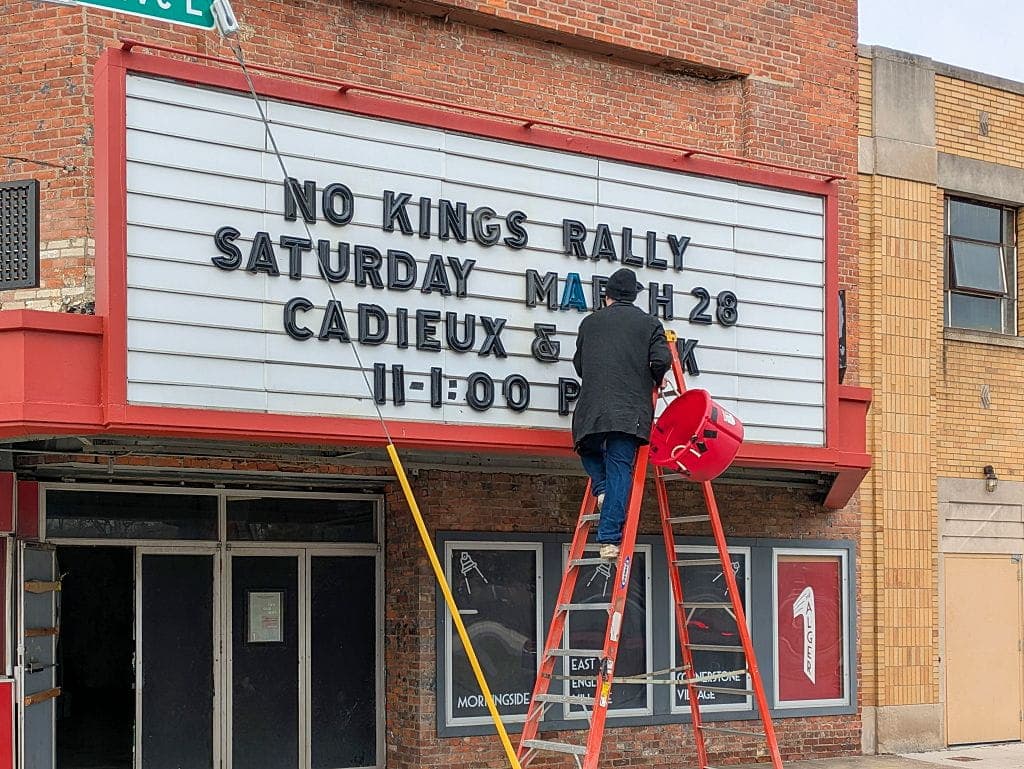

Millions of people will hit the streets today (March 28) for the third installment of No Kings protests, a well-funded and organized movement created to paint President Donald Trump as an authoritarian with a crown and a throne. Protesters will probably deliver the usual mixed messaging and show their loyalty to trans rights, illegal immigrants, and dinosaur costumes. We’ve seen this before – twice – yet neither one accomplished much. Maybe that’s because they have no idea what they want to achieve from these theatrical endeavors, or perhaps the experience is all that matters. After all, the demonstrations appear to be more about publicity than reaching a clear objective. It’s a simulacrum of the last No Kings day – a copy of a copy – which might be why it almost doesn’t seem real.
The Illusion of ‘No Kings’
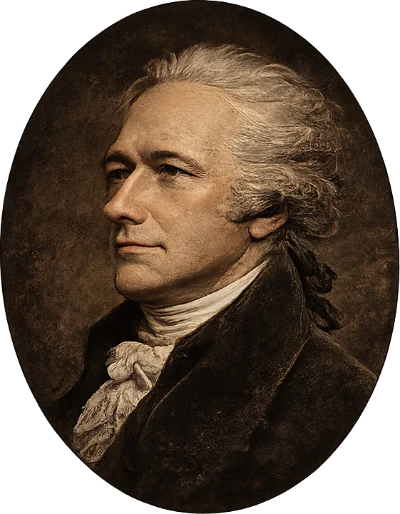
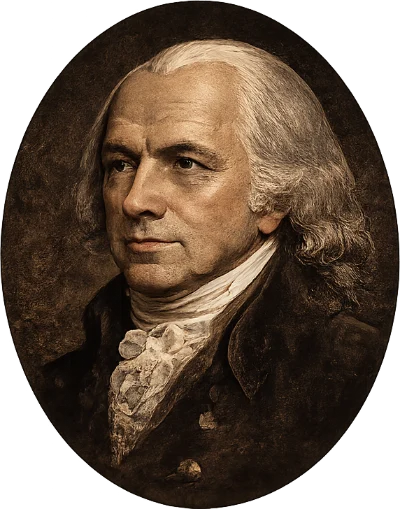
Yes, millions of real people will join demonstrations in thousands of cities. They’ll probably sing in parks, block traffic, chant trite slogans, and wave signs with their favorite anti-Trump catchphrases. And real money is behind this massive disregard for reality, too, courtesy of MoveOn and Indivisible, among other progressive groups known for astroturfing. To many, the movement may look authentic, but these protests are designed ostensibly to make news. If any lasting change occurs as a result, it would likely be incidental. Historian and author Daniel J. Boorstin described such occasions in his book The Image: A Guide to Pseudo-Events in America (1961).
A pseudo-event is a planned affair created to be “reported or reproduced,” said Boorstin. “Its success is measured by how widely it’s reported.” Much like the No Kings rallies, a pseudo-event costs money to produce, is advertised in advance, and is intended to be a self-fulfilling prophecy. But “its relation to the underlying reality of the situation is ambiguous.” All of these elements align perfectly with these protests. Ambiguity, however, might be the movement’s specialty.
From Liberty Nation News, Trivia, Facts, Check Us Out
Stay informed.
Today’s news, the Constitution and American history, written for young readers.
Visit GenerationLiberty.com
News, Trivia, Facts, Check Us Out
Stay informed.
Today’s news, the Constitution and American history, written for young readers.
Visit GenerationLiberty.com
For starters, the coalition’s website displays a list of grievances without demands or explicit goals. The language is smeared in melodrama: “As President Trump escalates his attempts to control us, it is on us, the people, to show that we will fight to protect one another and our country.” It reads like advertising copy for a mock revolution. The more you scroll and click, the less you learn about what the movement hopes to achieve by rallying millions of people nationwide for a re-enactment. As with last time, there’s a lot of talk about democracy, “freedom, equality, justice, and dignity for all,” but no ideas for change, just sentiments and buzzwords. The closest it comes to defining what it wants to accomplish is when it explains that “we are coming together again on March 28 because we know we can overcome this repression when we unite.” Oh, they’re repressed! Wait, how so?
All these ambiguities coalesce to plant a story around the event before it even happens. It’s all part of the show. And to ensure the movement gets maximum reporting, Bruce Springsteen, Jane Fonda, Bernie Sanders, and Joan Baez will be at the Minnesota State Capitol today to bolster the coverage – as will disgraced Democrat Governor Tim Walz. The Boss, of course, has lots to say about Trump and will likely recite all the standard talking points and gain much applause. CNN probably camped out on the state house lawn yesterday, waiting for him to arrive. And because No Kings will be – and already has been – widely reported on, people will likely call it a smashing success.
Nothing Happens
Some leftists are starting to wake up and realize how delusive the entire thing appears to be. A Substack writer who attended the first two rallies wrote a post lambasting the movement. “The No Kings protest scheduled for March 28, a Saturday, isn’t meaningful action. It’s a F--k Trump block party,” she said. “I’m not going to do performative BS anymore.” Nearly a thousand people commented on the piece. Most were shaming her for quitting; others encouraged her to “stay in the fight.” The country is crumbling, they think, and if they don’t get out there and shout into the void, everybody will end up in ICE detention centers while the dictator continues to run amok.
Many of the demonstrators might hail March 28 as a great achievement, a win for democracy. After a collective emotional release, it may feel transformative and victorious for some, but it is unlikely to shift policies in Washington. People will talk about it for the next week, though, and organizers will start planning the next one, because pseudo-events, said Boorstin, spawn more pseudo-events.
Perhaps Søren Kierkegaard’s words still ring true: “A revolutionary age is an age of action; ours is the age of advertisement and publicity. Nothing ever happens but there is immediate publicity everywhere.”


.jpg&w=1920&q=75)