


Every generation has its woes, challenges, and successes. The Baby Boomers (1946-1964) were shaped by the Civil Rights Movement, Vietnam, and the love and peace era. Generation X (1965-1980) was known as the “latchkey kids,” many of whom grew up with both parents working. Gen Y, more commonly called Millennials (1981-1996), were the first generation to transition to a fully digital world. They were shaped by the September 11 attacks and the 2008 Great Recession. Gen Z, or Zoomers (1997-2012), never knew a world without internet and smartphones, their lives connected to social media. A recent Gallup survey looked at the different generations and found that Gen Z is the most miserable.
The Gallup Survey
The Gallup survey, published this month, showed that young Americans are significantly less satisfied with their lives than they were 16 years ago. On the other hand, while they are struggling with happiness, mental health, and finances, adults 65 and older reported greater overall satisfaction.
When asked about “thriving,” and whether they felt their lives were going in the right direction, of young adults between 18 and 29 years old, 64% felt they were in 2010, but in 2026, that dropped to just 44%. During the COVID-19 pandemic, though, it fell as far as 39%.
Older Americans seem to be doing much better. In 2008, just 38% of those 65 and older felt they were thriving. But today that number is up to 53%.
Why Is Gen Z So Miserable?
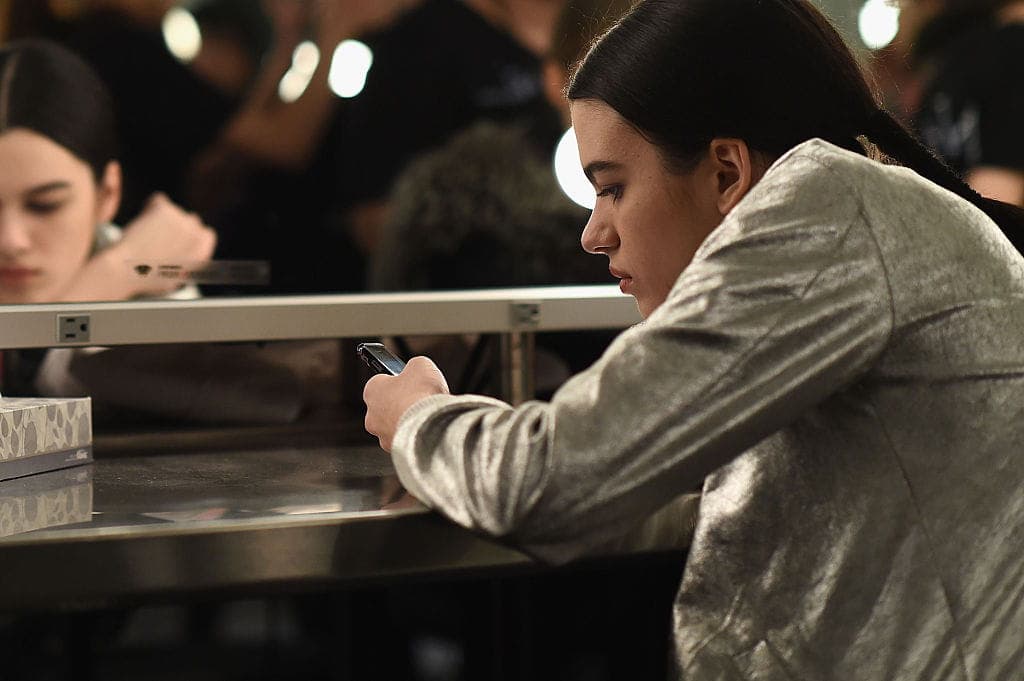
Why are the generations with the most years ahead of them the most miserable? There are several reasons, according to the survey. For a generation that grew up with instant access to friends – and strangers – online, many suffer from depression and loneliness.
Depression and Loneliness
More young adults are experiencing depression, and many report their close relationships aren’t as strong or satisfying as they used to be. For example, among adults aged 30 to 44, the percentage reporting that they currently have or are being treated for depression increased by 15 percentage points since 2019, reaching 37%. How can one be lonely when they have the ability to contact anyone at the touch of a fingertip? PubMed Central explained, “As a generation that grew up with technology, digital devices are familiar and seamlessly woven into the daily routines of Gen Z. It has been reported that 95% of Gen Z individuals have access to a smartphone. In a study of 1000 Gen Z individuals aged 13 to 25 years, more than half spent 4 or more hours online compared with just 28% of all US adults who spent 4 or more hours online.” Furthermore:
“Compared with other generations, Gen Z individuals spend more time alone or on digital communication platforms than engaging in in-person interactions. Between 2000 and 2015, Gen Z high school seniors spent an hour less on in-person social interactions compared with early millennials. Adolescents who spend more time on social media than in in-person interactions are the loneliest compared with those who spend less time on social media. Moreover, between 2007 and 2018, there were great increases in the relative percentage rates for self-injury (47%), seriously considering suicide (76%), and suicide attempts (58%) among Gen Z.”
Finances
Gallup identified financial difficulties as another contributing factor to Gen Z’s dissatisfaction in their lives. The rising cost of housing and everyday necessities makes it harder for younger adults to become financially independent and achieve their goals. Because of this, many lack confidence in their future and worry about their financial security. Will there be Social Security and Medicare when they need it? Will political leaders be able to improve the country’s future?
Job security is one thing that affects every generation, but with Gen Z, one of their worries is being able to keep their employment instead of losing it to artificial intelligence. According to Agility Portal, several jobs have already been replaced by AI including data entry clerks, warehouse workers, bank tellers, travel agents, social media managers, and more.
Less Enjoyment in Life
And the third contributing factor to Gen Z being more miserable than other generations is not enjoying their daily activities or feeling productive, according to participants in the survey. Psychology Today attributes a portion of this to social media. The platforms constantly expose viewers to highlight reels of wealth, career wins, and what looks to be picture-perfect lives. This can trigger chronic self-doubt and the feeling of falling behind. How do you compete with perfection, which is what life appears to be for social media influencers?
Just 41% of the Gallup participants said that compared to the people in their life, they were satisfied with how they were living. This is down 14 percentage points since 2019.
“Gen Z has had constant access to their smart phones and social media, plus a global pandemic plus financial stressors like housing that no other generation has had,” Dr. Katrina Furey, MD, a Connecticut-based psychiatrist told the New York Post. “They [Gen Z] are also the first generation that has really grown up online. Research has shown higher rates of eating disorders and depression linked to social media, and I can’t imagine that’s not part of it for Gen Z.” She added, “The social isolation of COVID-19 during their formative developmental years for sure has left a lasting impact.”
Why Are Older Americans Happier?
While the younger generation suffers, older Americans seem to be happier. Gallup attributes this to greater financial stability. Of those who participated, 59% say they have enough money to do everything they want; 67% say they haven’t worried about money in the past week; and 79% report feeling safe and secure. The older generations have also experienced improvements in mental health with a depression rate now below 10%, according to the survey.
There’s certainly a difference in how younger and older Americans view their lives. While Baby Boomers may have more financial security and fewer worries about their futures, Gen Z is facing a world where the cost of living keeps climbing, technology is changing the job market, and social media makes it easy to compare their lives with everyone else's. Every generation has faced its own struggles, but perhaps the biggest challenge for Gen Z is figuring out how to find happiness and satisfaction in a world that keeps telling them they're falling behind.