

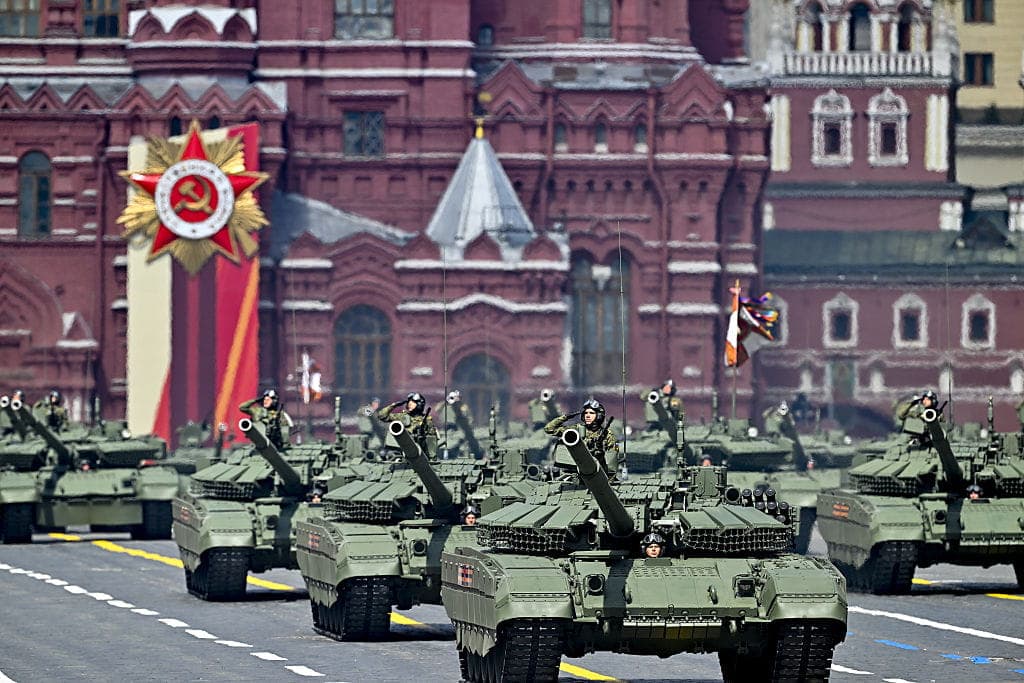

Since Russia's unprovoked invasion of Ukraine in February 2022, the US has issued economic sanctions piecemeal. That all changes with the Lindsey O. Graham Sanctioning Russia and Iran Act of 2026, passed by the US House of Representatives on Wednesday, September 16, by a vote of 262 to 159. The Senate passed the bill by an 86-11 margin on August 7. If signed, it would impose a broad set of new sanctions affecting Russia’s ability to receive oil revenue and do business internationally. The measure also includes a five-year extension of existing sanctions on Iran’s weapons and energy enterprises. As of this writing, the bill is on President Trump’s desk awaiting his signature.
New Sanctions Come Late in the Day
The war between Ukraine and Russia has carried on for more than 1,600 days. One would think the US would have exercised its economic sanctioning power against Russia to the fullest by now. Apparently, it had not. As the host of new sanctions takes effect, they will complement Ukraine’s increased drone and missile attacks on oil storage and refining facilities deep into Russia. The Graham Act was co-sponsored by the late Senator Lindsey Graham (R-SC) and Senator Richard Blumenthal (D-CT); both spent more than a year generating support for the statute.
As The New York Times observed:
“The centerpiece of the measure would attack Russia’s energy sector, which has financed the assault on Ukraine. It would allow the president to impose tariffs of as much as 100 percent on countries, including China and India, that are among the top five purchasers of Russian oil or gas, and the top facilitators of the so-called shadow fleet of vessels used to evade restrictions on Russia’s oil exports.”
The measure directs the president to impose restrictions blocking the issuance of visas and the ownership of property in the US. Furthermore, according to the legislation:
“The bill prohibits (1) the export, reexport, or in-country transfer to or in Russia of any US-produced energy or energy product; (2) US persons from making new investments in Russia or purchasing Russian sovereign debt; and (3) trading the securities of Russian government-owned, -controlled, or -affiliated entities on U.S. national securities exchanges.”
Additionally, the legislation allows duties up to 500% of the value on all products imported into the US from Russia. These additional sanctions constitute secondary tariffs on countries that buy Russian energy products. “The sanctions would target Russian leaders, key financial institutions, oligarchs, and the maritime ‘shadow fleet,’’ The Daily Caller explained. “Many major Russian financial and energy entities are already subject to US sanctions, but the bill would codify additional sanctions measures to make it more difficult for future administrations to remove unilaterally, according to the Atlantic Council.”
Graham Act Has Solid Bipartisan Support
Unlike so many other bills winding their way through Congress, the Graham Act enjoyed broad bipartisan support. The only Republican to vote no on the legislation was Senator Rand Paul (R-KY). In an op-ed published on Fox News, Paul wrote, “It is foolhardy to think that Russia, having sustained some 1.4 million casualties, thousands of economic sanctions and over four years of economic isolation, will now come to the negotiating table because the United States decides to tariff third countries.” The Kentucky senator also pointed out that imposing such sanctions could negatively affect the US by “inflicting unnecessary economic self-harm and further degrading its relations with many of the world’s other great powers like India, whose rise could serve US interests in our competition with China.”
Free with the Daily Briefing
85EssaysUnravel the Constitution
Hamilton, Madison & Jay’s complete case for America, free and searchable in the Publius Reader.
Free with the Daily Briefing. Unsubscribe anytime.
Senator Paul’s objections notwithstanding, most legislators shared Senate Majority Leader John Thune’s (R-SD) sentiment when he said, “I’m proud to support this legislation that not only honors our friend and colleague but will also promote peace by cutting off the funding fueling Russia’s war machine. I can’t think of a better way to honor his legacy.” Senator Blumenthal echoed Thune’s words, observing, “Ukraine is at a critical crossroads — and we must meet this pivotal moment with a powerful sanctions bill. As Ukraine turns the tide on the battlefield, our Russia sanctions bill would be historically impactful in stopping Russia’s murderous slaughter.”
The Russian war on Ukraine has gone on far too long. Western nations, particularly the US, should have been using every means to bring Russia’s war machine to a halt. Using every economic tool to increase financial pressure on the Kremlin seems overdue.
~
The views expressed are those of the author and not of any other affiliate.

.jpg&w=1920&q=75)
.jpg%20Minnesota&w=1920&q=75)