

¡Viva la revolución del mercado libre! If you missed tenth-grade Spanish class, this translates into: “Long live the free‑market revolution!” Cuba, the left’s oft-described socialist paradise, is ostensibly embracing free-market economics – but not because leaders in the island nation read Free to Choose or Economics in One Lesson. Officials are implementing sweeping reforms out of necessity to prevent further collapse and a potential US-led regime-change operation à la Venezuela. Skepticism is warranted.
Cuba Flirts With Markets
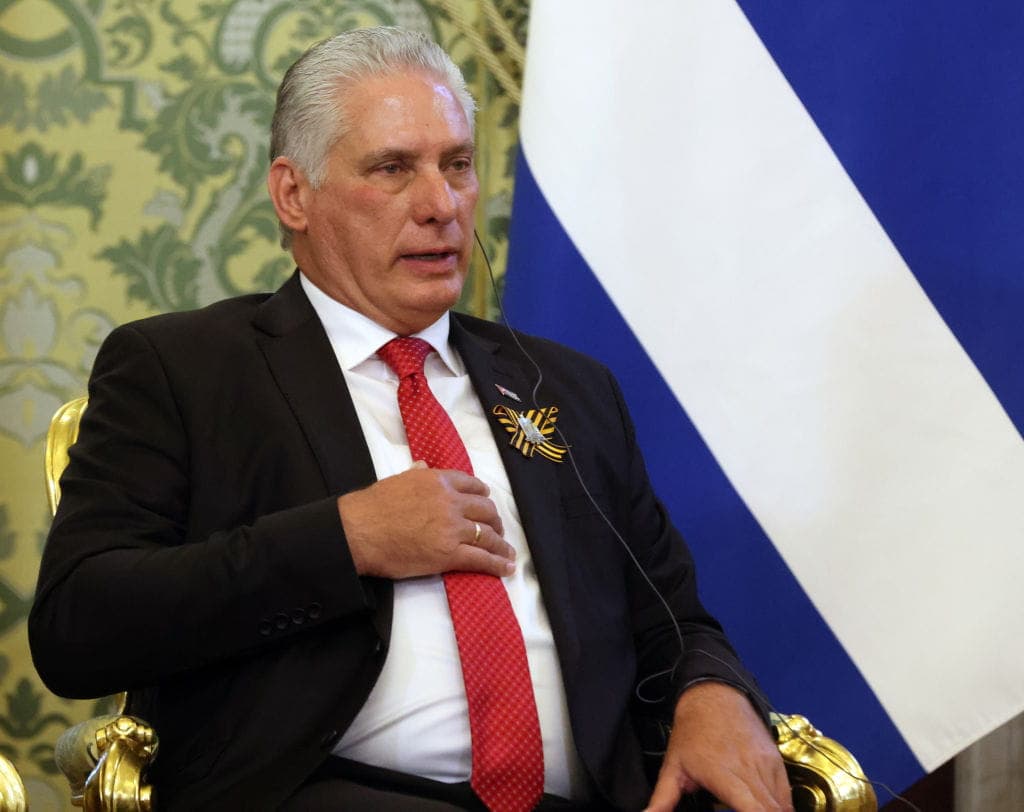
Cuban President Miguel Díaz-Canel unveiled a package of economic reforms earlier this month, telling the media that it is now "time to change" and that the country "simply cannot continue on its current course." His comments come as the island suffers widespread power outages and food insecurity due to the US oil blockade, though its problems have been widely documented for years.
The 175 transformational reforms include privatizing state-owned enterprises, allowing private banks to enter the financial sector, and decentralizing economic decision-making. Most importantly, the Cuban government will adopt market pricing and reduce government subsidies. Put simply, it is about building and attracting capital from all over the world.

Overall, these would be the biggest changes since Cuba adopted socialist hallmarks in 1959 under former leader Fidel Castro.
"Every opportunity in the midst of a crisis must be seized as a moment for takeoff, as a moment for growth. We have established a group of priorities to confront this situation," Díaz-Canel said in a statement to the state-run press, adding that this is not condemning socialism but rather appeasing the United States.
“What is being debated here is the dilemma of how to continue the process of socialist construction, which has suffered the longest blockade in history from the world's greatest power," the president added. "We are not renouncing socialism." Instead, they will liken the new economic model to China or Vietnam.
If these policies are incorporated, Cuba could become another example of what happens when a country liberalizes its economy, similar to Ludwig Erhard in 1960s Germany or Lee Kuan Yew in Singapore.
Skepticism Warranted
Whether Cuba is buying time until President Donald Trump leaves office or appeasing the United States to keep the lights on, change is desperately needed in a place that has endured the pain of socialism for several decades. But some are doubtful about what is unfolding 90 miles south of US shores.
The first problem is the secrecy regarding the package of reforms, says Cuban economist Pedro Monreal. "It should not be surprising that the first act of the 'transformation proposals' show has reaffirmed public frustration over the secrecy of those proposals," he said on X. "In sum, the main function of economists is to produce knowledge and public proposals that openly expand the menu of alternatives available to governments and society. From my perspective, that does not occur within Cuba."
From Liberty Nation News, Trivia, Facts, Check Us Out
Stay informed.
Today’s news, the Constitution and American history, written for young readers.
Visit GenerationLiberty.com
News, Trivia, Facts, Check Us Out
Stay informed.
Today’s news, the Constitution and American history, written for young readers.
Visit GenerationLiberty.com
The second is the lack of judicial independence, according to Cuban economist Alfie Ulloa, a professor at the University of Chile's Law School. "None. Cuba is not a state governed by the rule of law. Citizens are completely defenseless before the state," Ulloa told UPI.
That said, there is potentially good news: Cuba could be moving toward a more market-oriented economic landscape. Longtime Communist and former President Raúl Castro endorsed the program, stating that it "best serves the Revolution today."
The best way to determine whether Havana is embracing market prices is to look at what is in the shops. In other words, if loaves of bread and slabs of meat arrive at stores and consumers use a functional currency, markets are traversing the island.
Make Cuba Great Again
For decades, the only sources of pride for Cuba have been its cigars and Buena Vista Social Club music. It has struggled to export socialism, the population is suffering, and the country has been on the brink of economic ruin, even prior to the White House’s efforts. As a result of Trump’s actions, global socialists will have another excuse to rely on: If it were not for the current administration’s blockade, socialism would have survived and thrived.
.jpg&w=1920&q=75)