


A new report suggests that not only are people living longer, but they are healthier and happier, too. That’s good news for the elderly community, who tend to suffer from a plethora of health issues that make their quality of life less than enjoyable. On the other hand, some experts warn that longer lifespans are going to be a societal burden, costing Americans more in medical care.
The Elderly Study
The National Bureau of Economic Research (NBER) published a paper this month on elderly health and longevity in the US. Authors Liran Einav and Amy Finkelstein used 30 years of Medicare data (1992-2019) to determine if Americans are living longer and if the extra years are healthy ones. What they found is a bit mixed, but the good news is that health is improving among the older generations.

“What we’re finding is that at every age, health is improving,” said Finkelstein, an economist at the Massachusetts Institute of Technology. “We’re not just living longer; we’re living better.”
The paper noted that the average 65-year-old American gained about 2.4 additional years of life expectancy during the study period. What was even more exciting was that those years were almost entirely healthy years. The researchers found that the additional time was generally free from major physical or cognitive limitations, meaning less time was spent seriously ill.
In fact, the time spent with severe physical or cognitive limitations fell by about 30%. Elderly adults, according to the study, are spending more of their retirement living independently and spending less time needing intensive long-term care.
More good news: According to the Centers for Disease Control and Prevention (CDC), life expectancy continues to rise. In the most recent report for 2024, the latest official statistics on death and life expectancy in the US, life expectancy reached 79 years, which the agency said is the highest ever recorded in the US. This is a 0.6-year increase from 2023 and is a gain for both men and women. Men average 76.5 years, according to the study, while women have a life expectancy of 81.4 years.
Societal Cost
We’ve looked at the bright side of elderly people living longer and healthier, but there may be a downside, according to critics. Social Security fears have been weighing on American minds for a while now, with many fearing the program won’t have enough money left by the time they retire. The NBER study explained that expected lifetime Social Security spending increased by about 14% because people are collecting retirement benefits for longer.
There are also individual medical financial concerns. The longer we live, the longer we pay for medical insurance. “While good health may buy you more time and a higher quality of life in your later years, it can also bring greater health care costs in retirement,” an article on the Charles Schwab website warned. “That’s because living longer not only extends the amount of time you’ll need to pay for routine health care but also increases your risk of chronic disease.”
Joseph Reyes, a senior financial planner at Schwab, provided his advice to the elderly: “This longevity premium means savers need to start treating health care expenses not merely as a line item in their retirement budgets but rather as one of the central goals of their planning.”
From Liberty Nation News, Trivia, Facts, Check Us Out
Stay informed.
Today’s news, the Constitution and American history, written for young readers.
Visit GenerationLiberty.com
News, Trivia, Facts, Check Us Out
Stay informed.
Today’s news, the Constitution and American history, written for young readers.
Visit GenerationLiberty.com
Still, the NBER study suggests a better outlook for the elderly. Medicare spending, for example, increased by just 6% because healthier seniors require less expensive long-term care. Researchers found there was also a decline in services such as nursing homes and home health care.
Imagine two retirees who both live to the ripe old age of 90. Years ago, someone might have developed a severe disability at age 75 and required 15 years of nursing home or home healthcare. Today, another person may stay healthy until age 87, need only a few years of intensive care, and remain active throughout most of retirement. Both people live to the same age, but the second person requires far less long-term medical care. That pattern is becoming more common, according to the study.
A longer life certainly increases spending on retirement benefits like Social Security because people receive monthly payments for more years. However, improvements in health mean healthcare spending does not increase nearly as quickly because many seniors remain active and independent later in life.
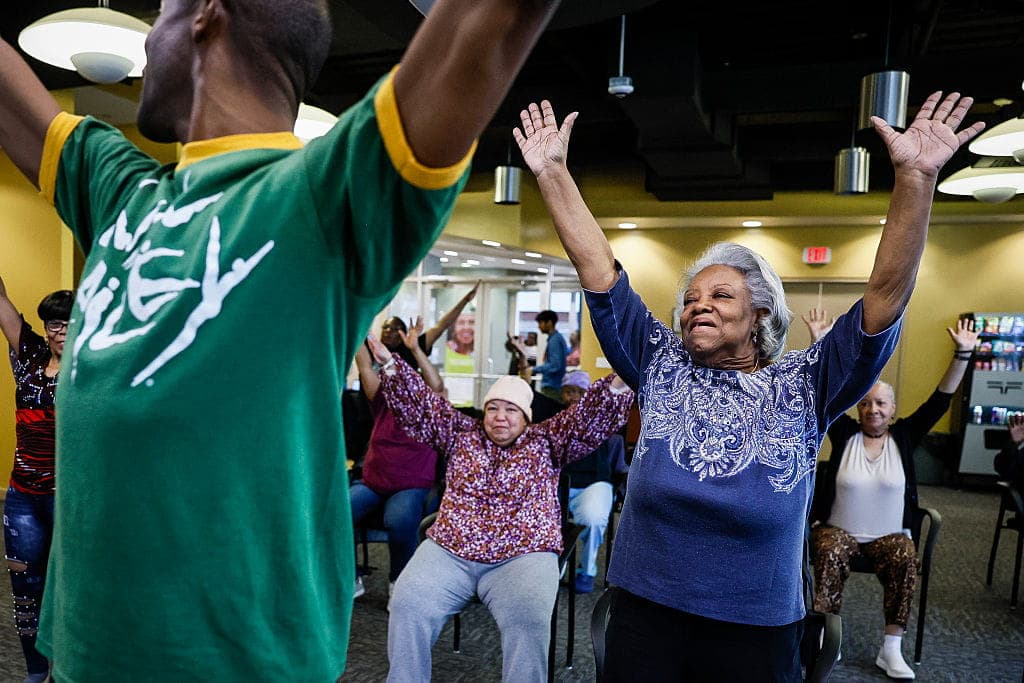
No one can stop the clock, but today's seniors are proving that getting older doesn't have to mean giving up independence or quality of life. The goal has never been simply to live longer. It's to live better. Americans may have something previous generations could only hope for: not just more birthdays, but more years spent traveling, playing with grandchildren, volunteering, pursuing hobbies, and enjoying life. After all, living longer is only half the story. Living healthier is what truly makes those extra years a gift.



.jpg&w=1920&q=75)