


Nearly three-quarters of American men are carrying excess weight. According to the latest CDC data, 35.1% of men aged 20 and older are classified as overweight, and another 39.7% have obesity, bringing the combined figure to nearly 75%. Why is it, then, when it comes to men’s fitness, so many males don’t seem interested in diet programs?
Men’s Fitness and Traditional Diet Avoidance Tendencies
Researchers at Anglia Ruskin University in the UK wanted to find out why men don’t engage with conventional weight-loss programs. They conducted a small study of 24 men aged 30 and older, based on interviews. The participants had experience with being overweight, had previously participated in a weight-loss program, or were considering starting one.
According to the online science news platform EurekAlert!, the study “found that the men often associated dieting with being denied the food they enjoy, and they were reluctant to commit to approaches they saw as requiring significant sacrifice.” One participant said: “I think diet is a very negative word because as soon as you mention the word diet everybody automatically thinks restriction, restriction, restriction.”


Free with the Daily Briefing
85EssaysUnravel the Constitution
Hamilton, Madison & Jay’s complete case for America, free and searchable in the Publius Reader.
Free with the Daily Briefing. Unsubscribe anytime.
One of the biggest setbacks for men was the perception that dieting is a largely female-focused activity. “Participants described dieting conversations as more commonly associated with women, often through social media and magazines, and a view shared by most participants was that they would feel self-conscious and uncomfortable engaging themselves," EurekAlert! said.
One person noted that dieting is “part of the conversation because now it’s social media pressure. And it’s there in the magazines and stuff, whereas it’s not the topic of conversation primarily for men.”
Women are not the only ones concerned with their appearance or struggling to take off the pounds. In fact, men’s fitness is riddled with many of the same problems as their female counterparts. The peer-reviewed scientific journal PLOS One published a study on men’s perceptions and experiences with weight loss. Another small study was conducted in the UK, with similar results. Some of the comments from men include:
- “It’s finding that motivation to actually get on and do it. And I need to be really focused on something to be able to do it on my own.”
- “Temptation is normally the thing that breaks you.”
- “Even the slightest setback can bring the whole thing crashing down.”
These comments are very similar to what women say in their dieting struggles.
The American Male
While the most recent study was conducted in the UK, there have been similar studies in America with comparable and surprising results. Although three out of four American men carry excess weight, researchers have found that they just aren’t showing up for weight-loss programs. A review published in PubMed examined 257 randomized behavioral weight-loss trials that involved 57,497 participants and found that only 30% of participants were men. Of those trials, 21% were exclusively for women while just 5% were for men’s fitness. Among the 189 trials that recruited both genders, 76% had less than 40% male participation.
Another study looked specifically at men working in trade and labor occupations, such as construction, transportation, and maintenance. Researchers surveyed 221 men who were overweight and asked what they would want from a weight-loss program. They tended to prefer online programs and approaches that required small dietary changes instead of major restrictions.

One notable difference between British and American participants is motivation in the form of competition. Across the pond, programs that inspired competition, such as lifting weights, were more appealing to men than traditional diets. However, American men in the trade and labor study didn’t like the contest element and would rather use a different approach.
Using this information, researchers developed a program for American men working in trade and labor jobs. They called it Better Energy through Lifestyle for Tradesmen, or BELT. It emphasized small changes to what men already ate and encouraged them to get at least 150 minutes of moderate-to-vigorous physical activity each week. The BELT participants attended around 9.5 sessions. Those who joined a standard program attended just five sessions. The median weight loss for the BELT group was 3% after six months, while the standard group lost about 1.9% in the same time frame. More than half of those interviewed afterward said the fact that it was designed for men in the trade profession was an important reason for joining BELT.
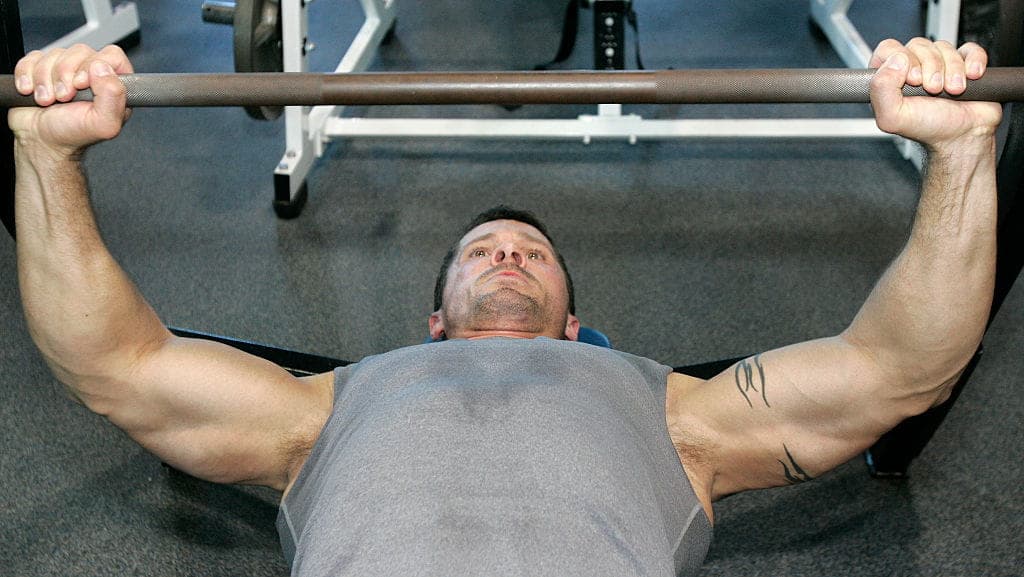
Maybe men don’t dislike losing weight as much as they don’t care for the way they’re being told to do it. Men’s fitness has long been filled with goals involving strength, speed, endurance, competition, and beating a personal best, while dieting often comes packaged as restriction, sacrifice, and everything you can’t have. When the majority of options for weight-loss programs target women, it’s no surprise men are just not that interested.


.jpg&w=1920&q=75)