Endocrine disruptors interfere with the body's hormone system by mimicking, blocking, or altering hormonal actions, potentially leading to various health problems. Found in products such as pesticides, plastics, cosmetics, and food packaging, these chemicals can affect reproduction, development, immunity, and metabolism, according to the National Institute of Environmental Health Sciences.
“Taking into account the total amount of single-use masks produced during the height of the pandemic, the researchers estimated they released 128 to 214 kilograms (282 to 472 pounds) of bisphenol B into the environment,” the Daily Mail reported.
“This study has underlined the urgent need to rethink how we produce, use and dispose of face masks,” Bogush said. She warned that the microplastics and chemicals “can negatively affect both people and ecosystems.”

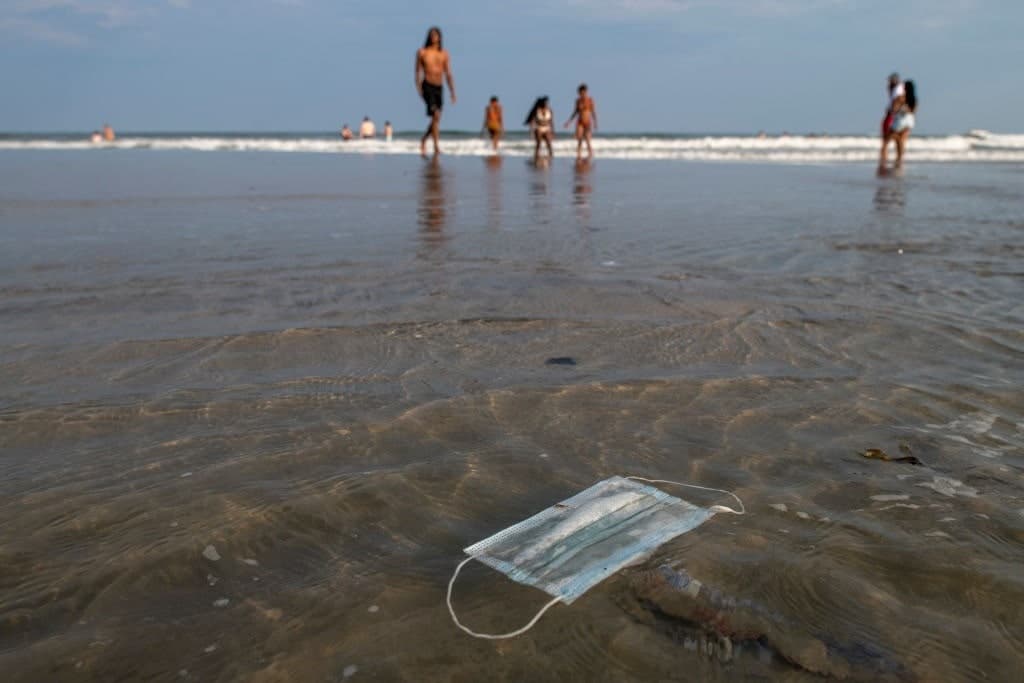
A 2021 study published by ACS Publications found that soaking N95 and other masks released anywhere from hundreds to a few thousand particles. As the Daily Mail explained, “One study analyzing face mask usage estimated that based on population and assumed acceptance rate of disposable masks, 1.2 trillion disposable masks were added to the environment globally from December 2019 to May 2021.”
According to experts, during the height of the COVID pandemic, 129 billion face masks were being used each month around the world. In the US between March and September 2020, the government distributed nearly 600 million disposable face coverings.
A 2021 study by Science Direct found that Asia used the most masks, with 1.8 billion compared to 244 million in America. China discarded more than 500 million face masks and shields every single day during that time.
“We can't ignore the environmental cost of single-use masks, especially when we know that the microplastics and chemicals they release can negatively affect both people and ecosystems,” Bogush said.
A 2024 study in the Journal of Hazardous Materials revealed that about 3% of marine microplastics emissions come from discarded face masks. Microplastics are not only ingested by breathing; they also seep into the ground and poison our water. People consume microplastics when they eat contaminated fish. The cycle is endless.
Aside from COVID vaccinations and social distancing, the use of face masks was one of the most popular methods of supposedly preventing the spread of the disease. However, just as reports keep surfacing about the vaccines and side effects that were not known at the time, the consequences of face mask pollution are larger than expected and will continue to damage our environment and our bodies for decades to come.