



Is Canada the largest economy in the world with low unemployment, tepid inflation, a strong middle class, solid fiscal health, a powerful military, and an international reserve currency? No, but the not-so-Great White North is behaving like it is a global superpower. Ottawa walked away from trade negotiations shortly before the August 22 midnight deadline, choosing to emulate China and impose tit-for-tat tariffs on US goods exported up north.
Canada Not Tariffied of Trump
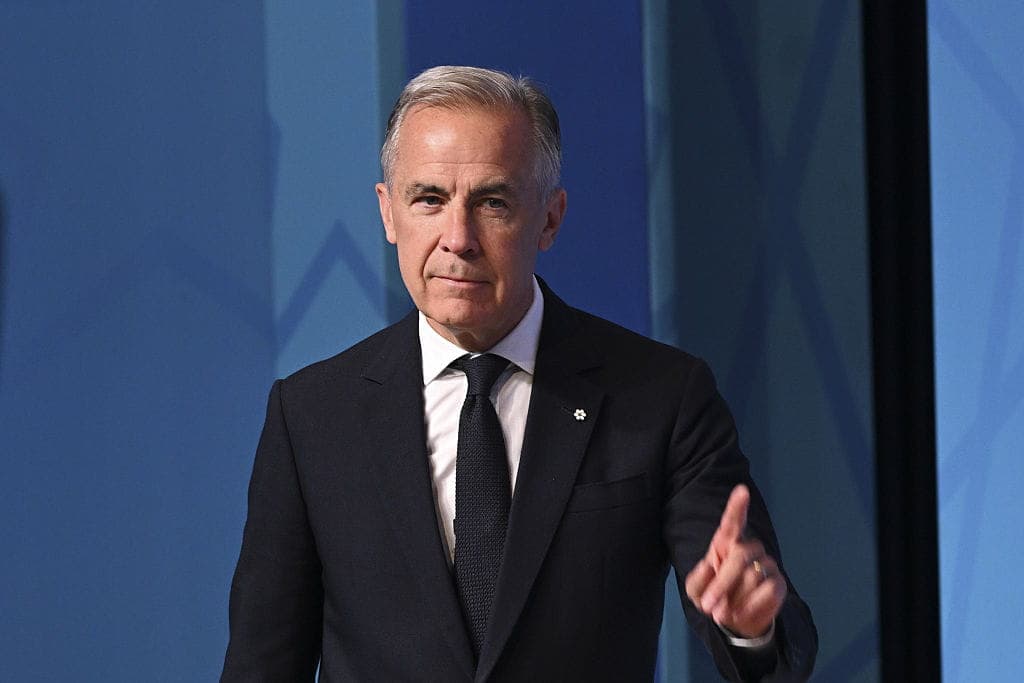
When President Donald Trump announced on Truth Social last week that he would delay 50% tariffs on almost $20 billion in goods by three days, it appeared that both sides were on the verge of a trade agreement, with the Keystone XL pipeline playing a sizable role. But deliberations fell apart after Canadian Prime Minister Mark Carney torpedoed an 11th-hour deal regarding auto tariffs, restrictions on other trade deals, and French-language rules.
"We cannot accept what they’ve offered, and we will not give what they asked,” Carney told reporters in Ottawa. “We can’t control the storm that blows in from Washington. We can, however, chart a new course by building Canada strong at home and diversifying our trading relationships abroad.”
Specific details have not been released. While Carney received the support of opposition leaders and provinces, officials requested more information from the Liberal government. There is no word yet on whether the Prime Minister's Office will publish all of the demands from both sides of the border. The White House noted that it had offered to cut tariffs on automobiles, lumber, and steel.
Free with the Daily Briefing
85EssaysUnravel the Constitution
Hamilton, Madison & Jay’s complete case for America, free and searchable in the Publius Reader.
Free with the Daily Briefing. Unsubscribe anytime.
Lovers of American alcohol may have to wait as provinces are unlikely to put US beer and wine back on their shelves.
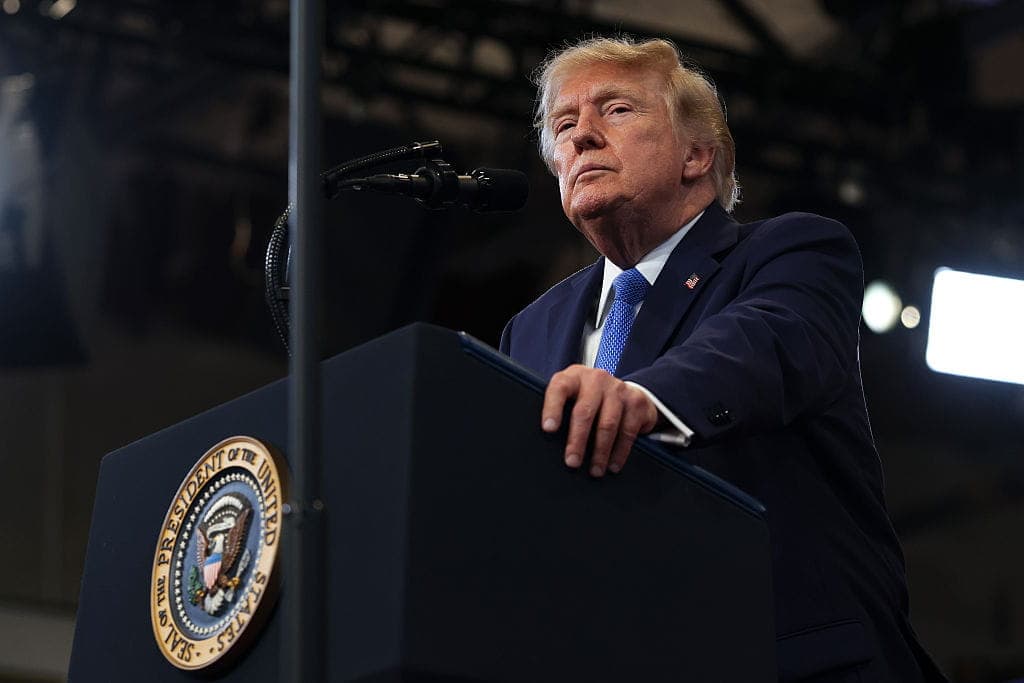
President Trump, meanwhile, took to Truth Social on August 22 and stated that Canada "wants the benefits" of being a US state "without being one." He accused Ottawa of slapping "massive amounts of tariffs" on the United States. "No more!!!" Trump wrote.
US Trade Representative Jamieson Greer said in an interview with Fox News on August 23 that no further talks are scheduled. "Our interest is in protecting American workers and protecting American supply chains," Greer said. "They've always had the best deal, and they still would have an even better deal, but they didn't want that."
What comes next? For the United States, it is not much of a big deal. For Canada, it could be another severe risk that clouds the economic outlook.
Trade War
To understand the lopsided nature of $900 billion US-Canada trade, here is a composition of shipments. Approximately three-quarters of Canada’s exports are sent to the United States. About 14 percent of US goods are shipped up north. So, while US-Canada trade talks dominate the news cycle from British Columbia to New Brunswick, it might make it to the chyron in American media.
One of the current administration’s grievances was retaliation after last year’s Liberation Day. Canada was one of two nations – the other being China – that responded with counter-tariffs. US officials did not appreciate this action, immediately putting Ottawa behind the eight ball in trade discussions. Beijing could afford to go toe-to-toe with its economic rival. Prime Ministers Justin Trudeau and Mark Carney, however, did not possess the same power.

Canada is on track to move on from the first-half recession in the coming quarter, fueled by higher prices for natural resources (such as crude oil and critical minerals). But the country is still dealing with the same structural challenges it faced when Carney ascended the throne. The costs of interprovincial trade barriers, for instance, are equal to an average tariff rate of almost 10%. The nation has yet to accelerate permit processing, housing starts have been lackluster, and immigration from certain parts of the world continues to strain Canada’s resources.
Not to mention, Canadians are still chained to the shackles of supply management.
Tit-for-tat tariffs will exacerbate economic risks. Retaliation is merely shooting another hole in a sinking boat and reviving price pressures for businesses and consumers. Remember, the country slapping tariffs is the one that bears the cost burden of levies. Indeed, US consumers also bear the effects of Trump’s import taxes, but aggregate US inflation is currently being driven largely by higher global energy prices.
Biding Time
Prime Minister Carney will not be facing voters until 2029. In the meantime, the United States will have its midterm elections in a couple of months, and then a presidential contest in 2028. The Grits could be biding their time, hoping that Democrats regain control of both chambers of Congress and that someone like California’s Gov. Gavin Newsom (D) or Rep. Alexandria Ocasio-Cortez (D-NY) moves into 1600 Pennsylvania Avenue. If so, US-Canada trade relations could be restored, and perhaps USMCA will be saved.


.jpg&w=1920&q=75)