


When we consider threats to US national security, we often think in terms of countries. Russia, China, North Korea, and Iran — these are the usual suspects. However, a more effective approach to mitigating country-specific hazards is to assess how they endanger the United States. Two of the most immediate and potentially devastating capabilities are state-sponsored cyber warfare and emerging technologies, such as artificial intelligence (AI).
National Security Threats – More Than Just China
China has been at the forefront of Congress' concerns, and significant progress has been made in communicating the menace of the People's Republic of China (PRC). In most assessments of global affairs, the PRC looms large. Equally troubling are others that play significant roles. The latest Annual Threat Assessment of the US Intelligence Community claimed:
"A range of cyber and intelligence actors are targeting our wealth, critical infrastructure, telecom, and media. Nonstate groups are often enabled, both directly and indirectly, by state actors, such as China, as sources of precursors and equipment for drug traffickers.”
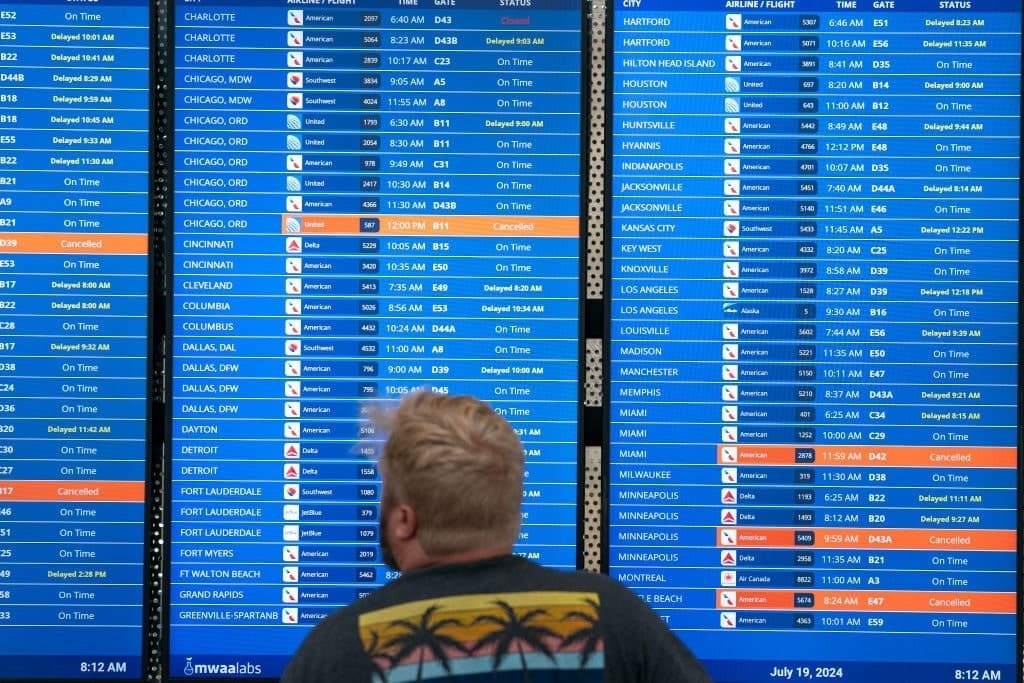
Statista reported that, from 2010 through 2023, cyberattacks on US government agencies averaged 44,261 annually. The highest number of attacks occurred in 2015, during the Barack Obama administration, when the number of hacks and attempted ones reached 77,000. Since that peak, the number has remained relatively stable, averaging around 33,000 per year through 2023. However, Reuters reported that in 2024, cyberattacks on the United States surged 70% – to approximately 55,000.

Former FBI Director Christopher Wray, during testimony before Congress, "singled out the Chinese Communist Party hacking group Volt Typhoon, which the U.S. Cybersecurity and Infrastructure Security Agency notes is lurking in critical infrastructure across our country," The Daily Signal reported. "Volt Typhoon has already hacked key sectors, including communications, energy, and water." The rapidly expanding technologies, particularly AI, represent an attending threat of equal or greater magnitude.
AI is the catalyst that amplifies the impact of emerging technologies on US national security, making it more destructive and perilous. A House subcommittee has assessed that such advances in the hands of US adversaries are growing serious threats over the next decade. Quantum computing, unmanned aerial systems, 3D printing, synthetic biology, advanced robotics, and gene editing are among those cited.
These can be enhanced and combined through the use of AI. Consider that an AI-aided bioengineered pathogen could utilize an AI-guided unmanned aerial system (UAS) to carry an aerosol dispenser to infect millions of Americans. AI could direct the UAS on a course where it is least likely to be detected and determine the best dispersal patterns for maximum coverage. The Department of Homeland Security has been at the forefront of creating ways to mitigate such risks.
Hybrid Warfare Ripe for AI Mischief
In the realm of hybrid warfare, AI has become crucial in facilitating strategic information. In a Brookings Institution commentary, "How will AI influence US-China relations in the next 5 years?" the authors made a sobering observation. Because of its extremely open society, the United States is more vulnerable to targeted disinformation attacks and social manipulation. "This is due to a two-pronged effect. One prong is the leveraging of artificial intelligence as foreign powers go on the 'offensive' to drive wedges into the US voter base," the article noted. "Another prong is the United States' castration of its own defense mechanisms, coupled with a rolling back of regulatory oversight over private companies' AI innovation."
There is no doubt that China is the number one culprit in both cyberattacks and exploiting emerging technologies, particularly AI, in threatening US national security. However, there are more bad actors in the game than just the PRC. Focusing solely on China could be myopic.
The views expressed are those of the author and not of any other affiliate.




.png&w=1920&q=75)