

Uncle Sam has a $40 trillion noose hanging around his neck. The unfortunate reality is that the United States will never pay off these IOUs. The debt is growing too fast, the budget is showing no signs of returning to pre-pandemic levels, and neither side is willing to make tough decisions to rein in this financial monstrosity. While the White House has suggested growth could help stabilize the ship, President Donald Trump has a new old idea: inflation.
Trump: Gimme Inflation
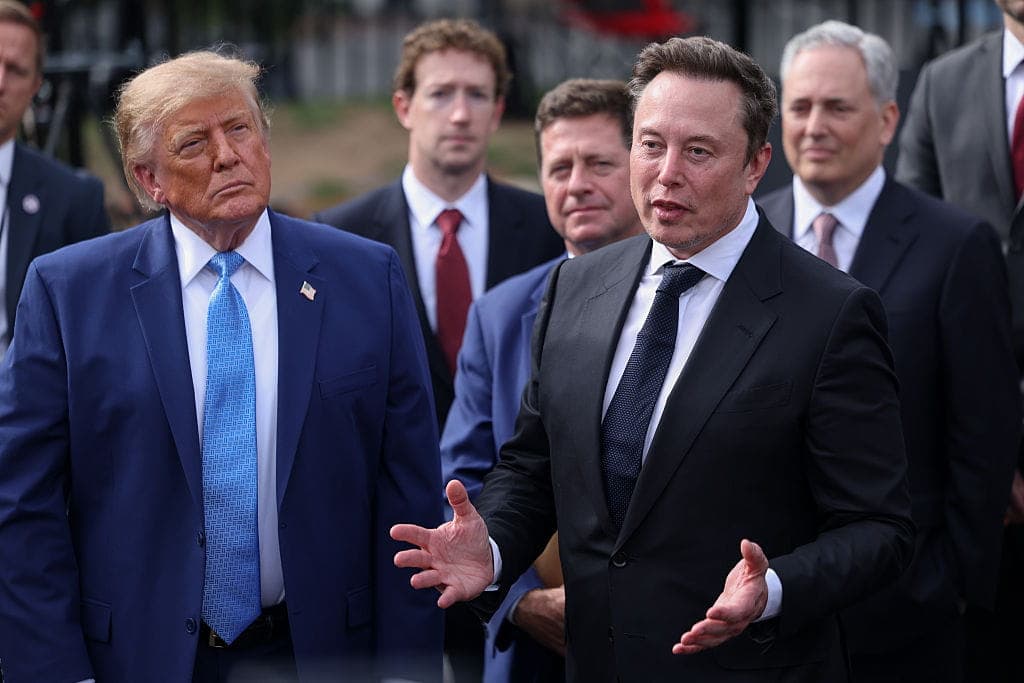
In a recent interview with Time, Trump touched upon America's fiscal troubles, exacerbated by ballooning interest rates. The president, of course, complained about the Federal Reserve's policy path and surging US Treasury bond yields. He wants the United States to have the lowest rates in the world (Trump will have to bring his case to the bond market!).


Free with the Daily Briefing
85EssaysUnravel the Constitution
Hamilton, Madison & Jay’s complete case for America, free and searchable in the Publius Reader.
Free with the Daily Briefing. Unsubscribe anytime.
As for the ocean of red ink traversing Washington, DC, the president hinted that "you can pay off the debt through other means," though he declined to say what they were. Later in the interview, he offered: "You know, inflation, certain levels of inflation, will also pay off that debt very rapidly. Very rapidly."
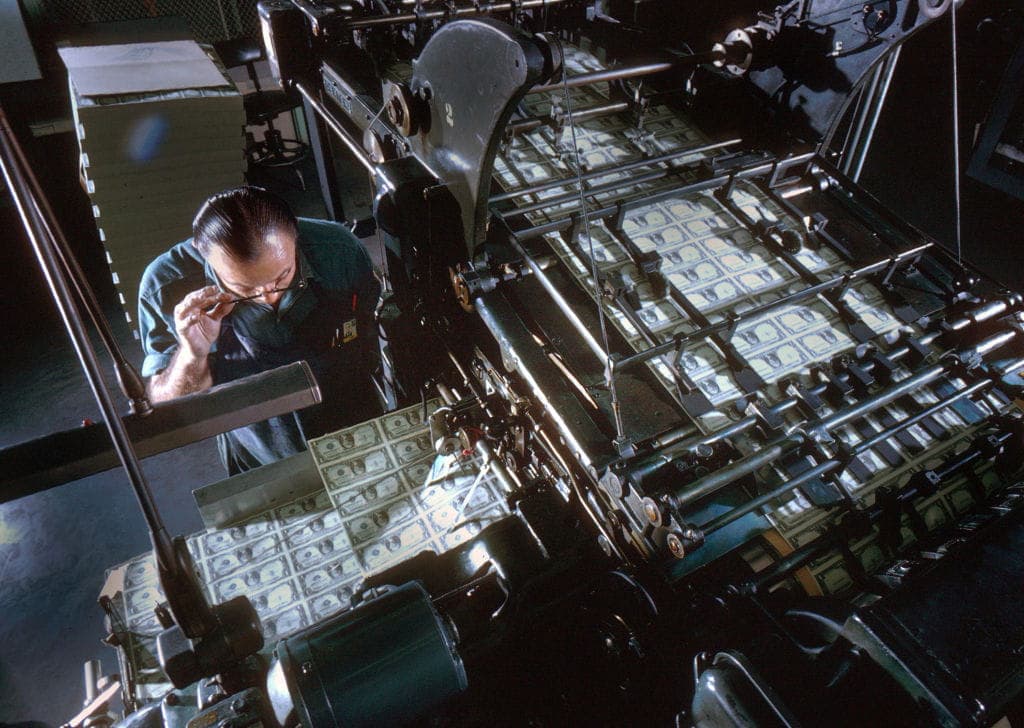
Technically, President Trump is absolutely correct that inflation might be the only solution left to resolve America’s debt challenges. The Federal Reserve could ramp up the printing press, cut that debt's value in half, and put the United States on a better (?) fiscal path. That is a sound proposal, until you realize this would cause currency devaluation, dismantle the US dollar hegemony, and likely lead to sky-high interest rates.
Paying Off the National Debt
Yields across the United States and global government bond markets are shouting many things, whether persistent war-driven inflation or capital competition. But heightened anxiety about the world’s astronomical debt levels (exceeding $300 trillion!) is another. From France to Japan, interest rates keep rising.
Put simply, investors are demanding greater compensation for holding government debt.
From Liberty Nation News, Trivia, Facts, Check Us Out
Stay informed.
Today’s news, the Constitution and American history, written for young readers.
Visit GenerationLiberty.com
News, Trivia, Facts, Check Us Out
Stay informed.
Today’s news, the Constitution and American history, written for young readers.
Visit GenerationLiberty.com
Because taking a chainsaw to the budget and balancing the books seem to be foreign concepts to policymakers in the nation’s capital, the federal government generally has only two options left at its disposal to pay down the debt: inflation or declaring bankruptcy. Both are terrifying decisions, but the former is more likely and already underway, with households enduring a headline annual inflation rate above 3%.
By allowing higher inflation – let's say double the Federal Reserve's current 2% target – America's real purchasing power would erode over time. Over the last seven years, consumers’ buying power has declined around 25%. Going back to the start of the new millennium, a buck now buys half as much. Since the Fed began more than a century ago, the US dollar’s value has been all but eviscerated.
But the gradual degradation of the greenback is a lot easier to swallow than outright bankruptcy. According to economist Peter Schiff on X, “It’s a default with better PR."
If the public hated inflation in the post-pandemic era, they would yell profanities each morning as they woke up under a new fiscal and monetary regime.
Generational Theft
It took the United States about 200 years to collect its first trillion-dollar credit card bill. These days, America adds about $1 trillion to the national debt every few months. With interest rates ballooning as much as they are, the country’s debt woes will worsen unless the world’s largest economy and the Trump administration achieve a few things: enjoying massive deflation through the artificial intelligence and robotics revolution, ending the war in Iran, and reducing the annual federal deficit to at least below $1 trillion.
Until then, politicians on both sides of the aisle are committing generational theft, and wielding an inflation toolbox will leave Generations Z, Alpha, and Beta worse off than the holy trinity known as Baby Boomers, GenX, and millennials.


.png&w=1920&q=75)