

The skeptical chattering class has said the left and right have diverged so much on politics over the last decade that the United States cannot be governed properly. Conservatives care most about the economy, foreign policy, and immigration. Progressives lose sleep over LGBTQQIA+, abortion, and actress Sydney Sweeney posing for sports ads. But a new poll also shows that both sides have embraced populism.
Populism in America
The populist streak has spread across the developed world, from President Donald Trump in America to Prime Minister Giorgia Meloni in Italy. The people are mad as hell about self-serving elites, and they are not going to take it anymore. Politicians, known for their impressive Machiavellian skills, have observed populism and pounced on the opportunity.
Free with the Daily Briefing
85EssaysUnravel the Constitution
Hamilton, Madison & Jay’s complete case for America, free and searchable in the Publius Reader.
Free with the Daily Briefing. Unsubscribe anytime.
The Wall Street Journal released the findings of a new poll that examined more than a dozen policy ideas, ten of which a majority of Republicans, Democrats, and independents supported.
The top issue is passing legislation to prohibit surprise medical bills. The second most-supported policy is mandating that health insurance companies cover services and medicines prescribed by doctors. Limiting the maximum cost of prescription drugs and capping credit card interest rates at 10% also had bipartisan support.
Other positions that found broad support included:
– Stopping illegal immigration at the border.
– Banning Wall Street from buying single-family homes.
– Capping child care costs.
– Running a government website that offers discounted prices on pharmaceuticals.
– Creating a pathway to citizenship for many people in the country illegally.
Some of these ideas would have been widely panned by the right before the ascent of Trumponomics, as they interfere with the market and expand the government's role. Conversely, leftist voters would once have found it inconceivable to close the border.
The poll spotlights Americans' frustrations with the current landscape, mainly that they are nickel-and-dimed every time they leave the house at a time when their buck barely buys a quarter’s worth.
Little Bit of Socialism
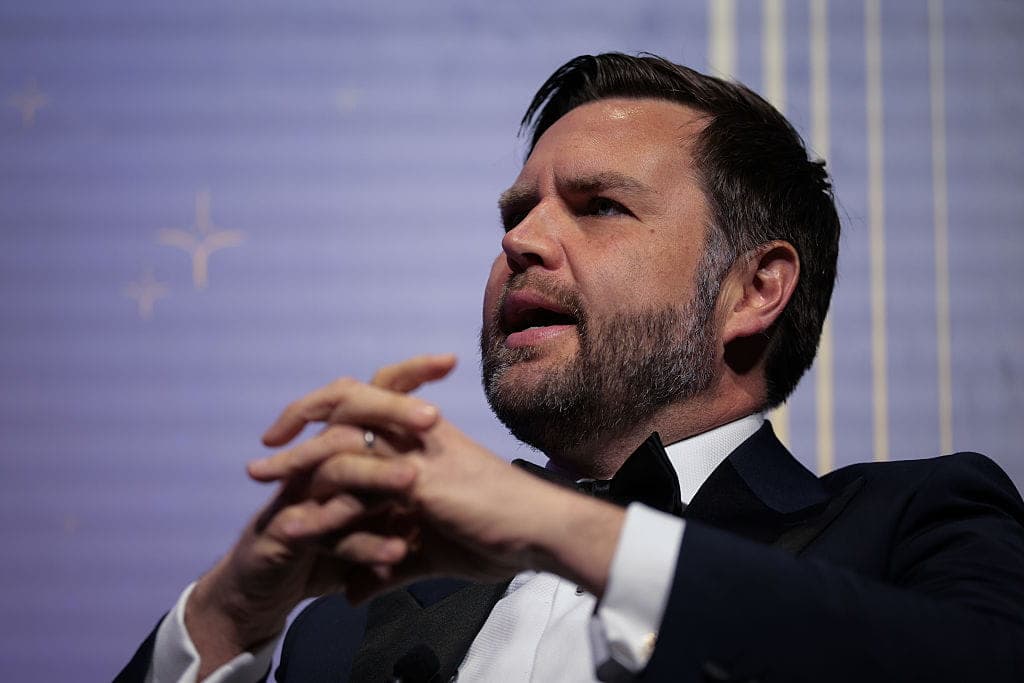
Vice President JD Vance could be the Republican Party’s nominee in 2028. He fired a salvo in the war on Milton Friedman, pleaded with the public to give the GOP a second chance, and embraced a little bit of socialism to appease disgruntled voters and keep the GOP in power – and perhaps to lay the groundwork for his White House bid.
From Liberty Nation News, Trivia, Facts, Check Us Out
Stay informed.
Today’s news, the Constitution and American history, written for young readers.
Visit GenerationLiberty.com
News, Trivia, Facts, Check Us Out
Stay informed.
Today’s news, the Constitution and American history, written for young readers.
Visit GenerationLiberty.com
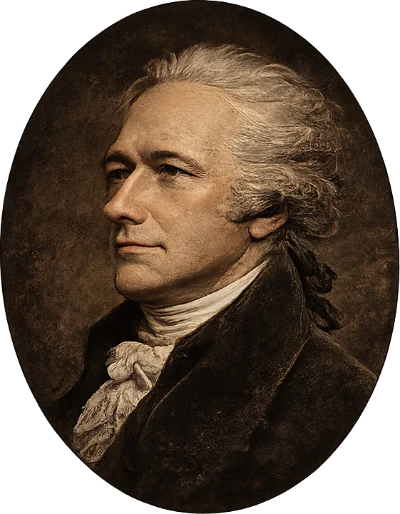
In other words, socialism-lite or middle-of-the-roadism could be the way forward for the Republican Party at a time when much of the country is perturbed by the cost of living. This is the danger Friedrich Hayek and Ludwig von Mises warned about.
These titans of economics argued that moderate state intervention is impossible because government begets government. In a world of markets, bureaucrats and politicians setting prices, establishing quotas, or offering generous corporate and individual welfare packages can only manufacture unintended consequences.
In response to the socialist trends unfolding in Great Britain, Hayek wrote in his influential 1944 book, The Road to Serfdom:
"The increasing veneration for the state, the admiration of power, and of bigness for bigness' sake, the enthusiasm for 'organization' of everything (we now call it 'planning') and that 'inability to leave anything to the simple power of organic growth' ... are all scarcely less marked in England now than they were in Germany."
Are Americans So Different?
Ultimately, if Hank Smith from Mississippi and William Powell from Connecticut think alike on health care, credit card interest rates, and immigration, is the country really so divided? Perhaps social media rhetoric fueled by influencers on either side of the aisle is the real driver of this nihilistic and morose view of US politics. At the same time, running away from free-market economics and into the arms of big government in the name of populism may not be the panacea for what ails the United States.
.jpg%20Midterm&w=1920&q=75)

.png&w=1920&q=75)