


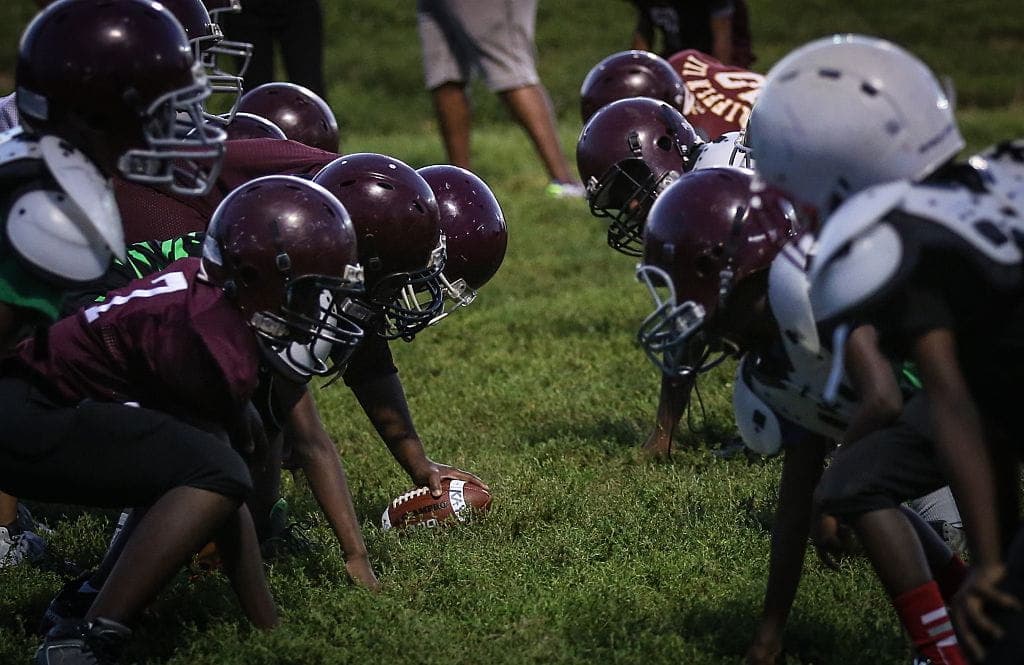

Organized sports are a major part of childhood in the United States, attracting tens of millions of children annually. Over the last several decades, however, youth sports have gone from a fun American tradition to a demanding and expensive status symbol.
In 2023 alone, based on the most recent available data, roughly 27 million youths aged 6-17 “participated on a sports team” or “took sports lessons afterschool or on weekends,” according to the Aspen Institute, a non-profit think tank. But research shows that nearly 70% of children leave their favorite sport before they hit their teenage years – and experts believe burnout is at least partially to blame.
Youth Sports Demand Time, Money
According to the Ann & Robert H. Lurie Children's Hospital of Chicago, athlete burnout is caused by the “physical and emotional stress of training.” Several factors are believed to increase the risk of burnout, including specializing in one sport, sudden and large increases in training, and pressure from parents and coaches.
Consider baseball, America’s pastime. Recreational players generally attend practices and play one or two games a week during a set season, while travel players may spend hours on the road to compete in three or four games nearly every weekend, often year-round and in addition to regular practices. Is it any surprise that youth athletes are getting burned out?


Free with the Daily Briefing
85EssaysUnravel the Constitution
Hamilton, Madison & Jay’s complete case for America, free and searchable in the Publius Reader.
Free with the Daily Briefing. Unsubscribe anytime.
As a young teenager, Joe Bortnick played elite hockey, spending most weekends traveling for games and tournaments, the New York Times reported. After wrestling with whether to continue playing at a high level, he ultimately chose to take a step back. “I was traveling all the time,” Bortnick said. “I didn’t get to hang out with friends. I could never go to the movies. It was pretty depressing. So I chose to stay home and play at a lower level.”
If kids aren’t getting burned out on the intense schedule, their parents are on the exorbitant cost of participation. Youth sports have become a roughly $40 billion industry, according to the Aspen Institute. By 2024, families were paying an average of $1,016 for each child’s main sport, up nearly 46% from five years earlier.
“It just becomes increasingly more expensive for parents and families to play,” said the Aspen Institute’s Jon Solomon. “There’s sort of this haves versus have-nots that exist in youth sports, in terms of who can play and who can’t or get quality access.”
The Benefits of Youth Sports
Parents want what’s best for their kids, and when it comes to their health, youth sports are a no-brainer. According to the Aspen Institute, regular physical activity helps build and sustain healthy bones, muscles, and joints, maintain a healthy weight, and prevent or delay high blood pressure. Research has also linked recreational physical activity to a lower risk of 13 cancers, including breast, colon, liver, and myeloid leukemia.

The benefits of youth sports extend beyond physical health. Participation can help children strengthen their cognitive abilities, with physical activity more broadly being linked to better grades and standardized test scores, sharper concentration and attention, and improved classroom behavior. Plus, high school athletes are more likely than non-athletes to attend college and earn a degree, and “a survey of 400 female corporate executives found 94% played a sport and that 61% say sports contributed to their career success.”
Beyond the physical and cognitive benefits, greater physical activity is also associated with better mental health among young people. In the Aspen Institute’s State of Play Tacoma-Pierce County report, active children reported feeling more excited, happy, and motivated, while inactive children were more likely to experience nervousness, anxiety, worry, and depression.
American kids – and parents – deserve fun youth sports that don’t demand year-round obligations and thousands of dollars to participate. It’s time to make youth sports great again.

.jpg&w=1920&q=75)
.jpg&w=1920&q=75)
(1).jpg&w=1920&q=75)