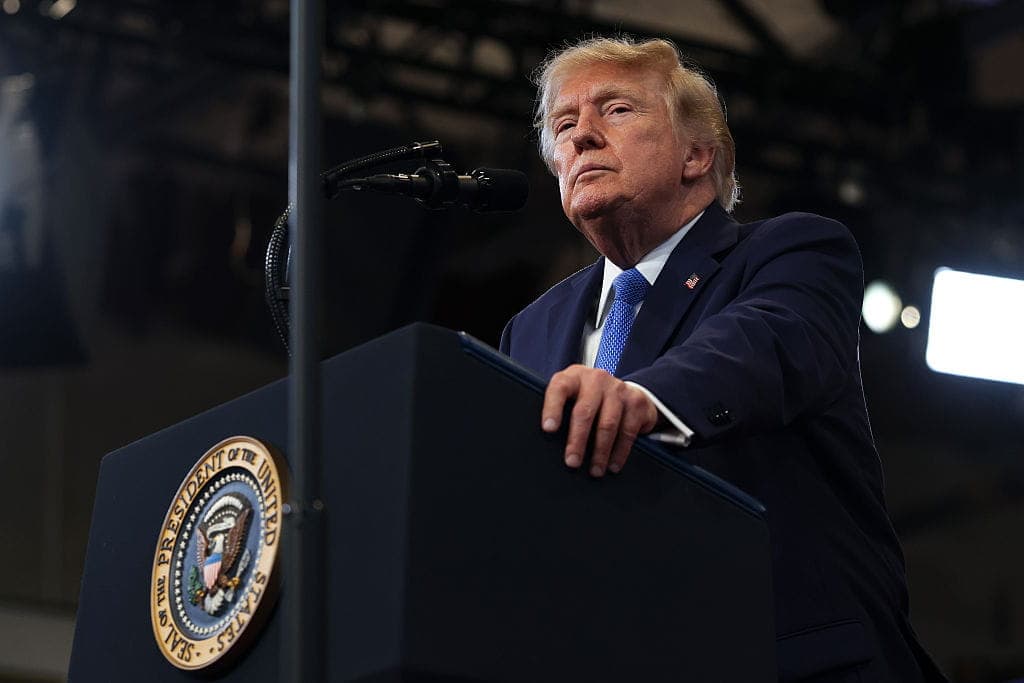


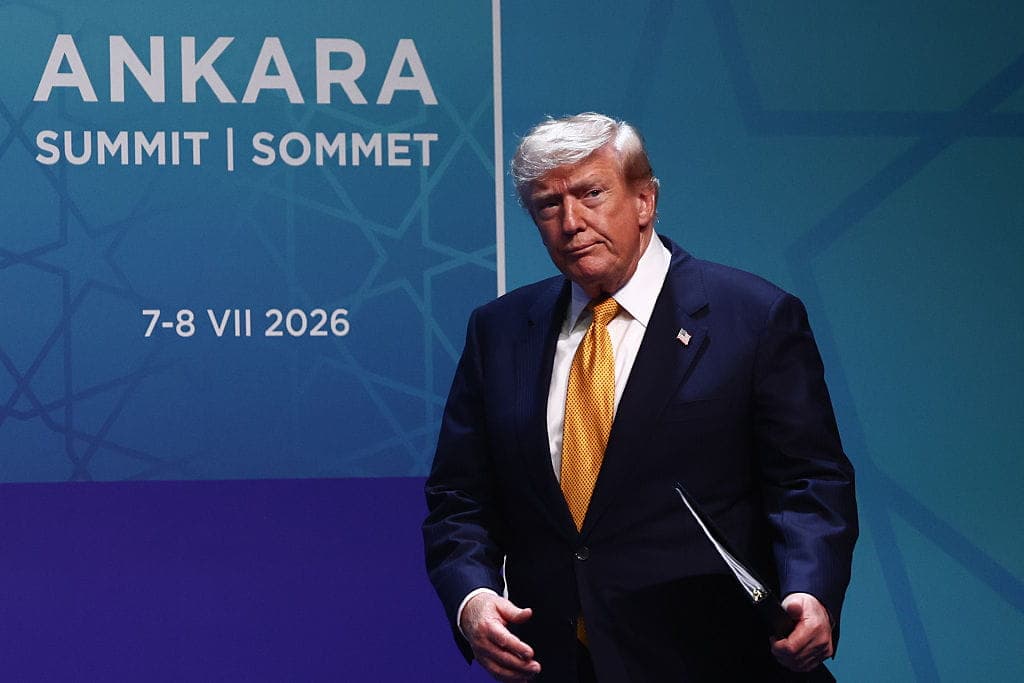

The recent 2026 NATO summit in Ankara, Turkey, established an unambiguous platform for President Donald Trump’s consistent vision for a more unified, equitable, and capable Alliance. Secretary of War Pete Hegseth, during NATO's ministerial conference in June, challenged the Alliance to return to its “core military role and character.” The message has been received.
NATO Accomplishments on Parade
Secretary General Mark Rutte, ahead of the Ankara summit, made a “Doorstep statement” in which he explained: “President Trump has been able to, finally, get done what, since Eisenhower, American presidents tried to do, which was to equalize defense spending between Europe and the United States. It is now happening.” Rutte went on to observe: “When you look at the numbers, 258 billion extra spent dollars in 2025 and 2026 by Canadian and European Allies. It's staggering. You are reaching the max; you can spend more in terms of absorption capacity.” That puts the Alliance on track to meet the ambitious 5% of GDP target set for the NATO members.
The summit’s Defense Industry Forum announced immediate results with allies unveiling tens of billions of dollars in recent multinational contracts. The Associated Press reported: “A deal to replace the aging planes [NATO early warning radar surveillance planes] was announced Tuesday. Swedish manufacturer Saab will supply up to 10 new GlobalEye surveillance aircraft for a 10-nation consortium, Swedish Prime Minister Ulf Kristersson announced.”
Free with the Daily Briefing
85EssaysUnravel the Constitution
Hamilton, Madison & Jay’s complete case for America, free and searchable in the Publius Reader.
Free with the Daily Briefing. Unsubscribe anytime.
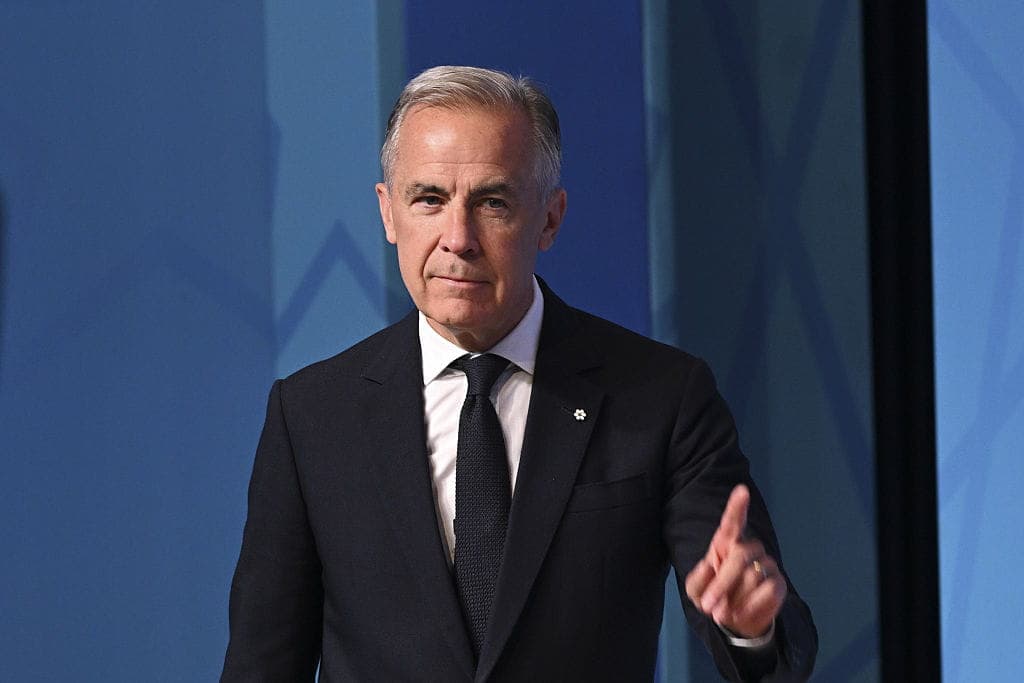
Canada is one example of a NATO member increasing its military investment. America’s northern neighbor has met its 2% of GDP goal ahead of schedule, and “On Monday [July 6], Canada said it would buy up to 12 new submarines in an overhaul of its aging fleet,” the AP reported. The Wall Street Journal explained further, “Prime Minister Mark Carney said Monday on the eve of the NATO summit, as he announced that the country had entered into negotiations with a German-Norwegian group led by ThyssenKrupp Marine Systems for the submarines in the largest military procurement in Canadian history.” In the past, Canada has been criticized for not taking its defense responsibilities seriously and for relying too much on the US for its security. So, this announcement by the Canadian Armed Forces is somewhat dramatic but welcome.
In another announcement, President Trump said that the US would license Ukraine to build its own Patriot air defense interceptors. With Ukraine able to produce them domestically, the acquisition and fielding of the vital air defense system may be greatly expedited and will make a significant difference on the Ukrainian battlefield.
President Trump Carried Out Personal Diplomacy
President Trump made news in the realm of personal diplomacy during the NATO summit when he announced that the US would lift sanctions on Turkey under the Countering America’s Adversaries Through Sanctions Act (CAATSA). The sanctions resulted from Turkey's purchase of Russian S-400 air defense missile systems. Having the Russian missile system would offer the Kremlin, which provides maintenance support, with the technological wherewithal to defeat Western aircraft. Turkey operates US-designed F-16C/D Fighting Falcons as well as older F-4E Phantom II fighters. Trump also signaled a willingness to reconsider bringing Turkey back into the fifth-generation F-35 Lightning II stealth fighter program. Again, from the Associated Press, “Trump said the possibility of selling F-35s to Türkiye is ‘something certainly we’d consider’ given the countries’ relationship, and that ‘Türkiye’s been, in many ways, much more loyal than other countries that we think would be loyal.’” The last comment was a veiled jab at those NATO members who refused to assist the US in its conflict with Iran.

The Ankara summit produced a short declaration that, according to a Royal United Services Institute readout, reaffirmed an “ironclad commitment to our collective defense under Article five” of NATO’s founding treaty. It also states that European allies and Canada are delivering on the commitments made in the Hague. “We are building the future: a stronger Europe in a stronger NATO,” it reads. “European Allies and Canada, working with the United States, are assuming greater responsibility for the Alliance’s defense.”
Additionally, the declaration describes Russia as a “long-term threat to the Euro-Atlantic security and stability.” The declaration closes with: “Allies reiterate that Iran must never have a nuclear weapon and call on Iran to fully respect freedom of navigation in the Strait of Hormuz.”
Though President Trump threw some harsh words at the attendees, his demeanor as he left the summit was upbeat. According to Breaking Defense, the US chief executive told reporters, “I just want to say there was tremendous love in that room.” Trump also praised the Alliance’s “unification.” As the two-day NATO conference wound down, it was clear that some of the acrimony that had existed at the beginning had subsided.
~
The views expressed are those of the author and not of any other affiliate.