


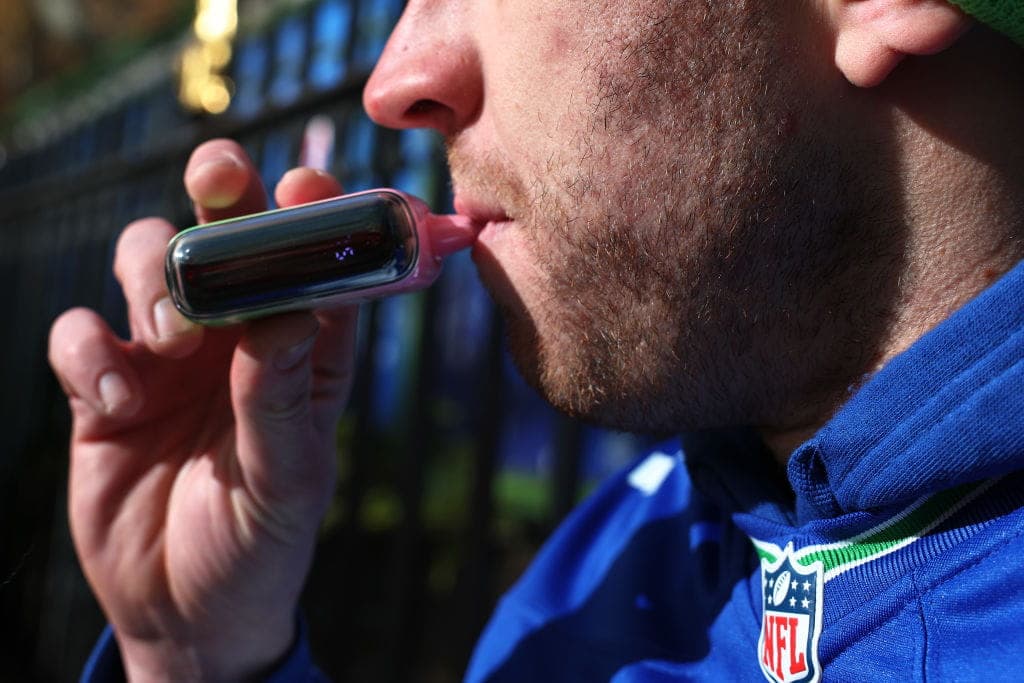

Remember when vaping was first introduced, and people rushed to exchange their cigarettes for vapes because it was supposed to be a less dangerous form of smoking? Then it turned out that it wasn’t so safe after all, as youths and adults alike started developing what’s known as popcorn lungs, which cause serious breathing troubles. Now, a new study suggests that vaping, and the type of vape and flavor used, can alter genes linked with cancer and other diseases.
The Study
There has been a lot of controversy over electronic cigarettes, or E-cigs, and the health complications that may or may not come with vaping. The argument that vaping is safer than cigarettes is losing ground as more studies reveal the potential harm vaping can do. According to the World Health Organization, there are at least 86 million adults and 15 million children aged 13-15 who vape.
A new study published by Frontiers in Oncology sought to uncover what kind of effect vaping had on the genes inside the mouth, since this is where the body is first exposed to the chemicals. The study included 35 people who vaped, 24 cigarette smokers, and 24 non-users. Researchers factored in how much a person vapes, for how long, how much nicotine they consume, the type of device they use, and which flavors they smoke.

What they found is that vaping alters various genes that are linked to cancer and other diseases. According to the study, genes that were changed include those responsible for cell growth, DNA repair, cell division, cellular stress responses, and cancer-related pathways. In fact, about 91% of the altered genes in those who vaped were connected to cancer-related biological functions. The number was slightly higher in regular tobacco smokers, about 93%. Vaping and smoking overlap in some areas, but each triggers its own unique pattern of biological changes.
For those who like to see the numbers, 1,246 altered genes were shared by both smokers and vapers, 1,878 were unique to vapers, and 934 were exclusive to smokers. Basically, both are bad for your health, but when you add in the type of devices used and the flavors smoked, that’s where the dangers of vaping increase.
Vaping Devices and Flavors Add More Danger
Vaping can involve a variety of devices, and according to the study, some methods were linked to stronger and more consistent genetic changes than others. In fact, newer-generation devices produced worse outcomes than older versions.
The study divided the devices into generations:
- First generation: Cigalikes, which resemble cigarettes
- Second generation: Vape pens
- Third generation: Larger mods and tank systems
- Multiple-device: People who use more than one type of device
The first and second generations didn’t show a significant finding in the analysis, but multiple-device users had 1,367 altered genes, while third-generation users had 1,747. So why are the modern versions altering more genes?
Mods (third generation) operate at higher temperatures and wattages that produce more aldehydes, such as formaldehyde and acetaldehyde, and they generate additional toxic byproducts, which can trigger cellular stress responses and alter gene activity. Newer devices give users more customization, such as controlling the voltage and airflow. Aerosol devices produce larger vapor clouds where more nicotine is delivered, and more of the flavoring chemicals are inhaled.
Speaking of flavors, the study found that certain choices were associated with greater health dangers. One of the problems lawmakers have with vaping is the many types of flavors they come in and the potential appeal to children. There’s a plethora to choose from, including fruit, mocha, cotton candy, etc. Different flavor categories produce different gene-expression patterns, the study found.
From Liberty Nation News, Trivia, Facts, Check Us Out
Stay informed.
Today’s news, the Constitution and American history, written for young readers.
Visit GenerationLiberty.com
News, Trivia, Facts, Check Us Out
Stay informed.
Today’s news, the Constitution and American history, written for young readers.
Visit GenerationLiberty.com
None of the participants used tobacco-flavored fluids, but those observed who used mint or menthol flavors had 27 altered genes, sweet flavors had 92, fruit had 970, and those who switched back and forth between multiple flavors had 2,009 altered genes.
A study by Tobacco Control and published in BMJ Journals looked at the different flavors in e-cigarette fluids to see which were of more concern: Cinnamon, vanilla, caramel, buttery dessert flavors, and mixed flavor combinations were among those listed.
Vaping was supposed to be the cleaner, safer alternative that would help smokers leave cigarettes behind without the same health dangers. But with each new study, that claim becomes harder to defend. If a product marketed as a healthier choice is producing biological changes similar to those seen in smokers, consumers may have to decide whether vaping is truly reducing the risk or simply repackaging it.

.jpg&w=1920&q=75)
.jpg&w=1920&q=75)