


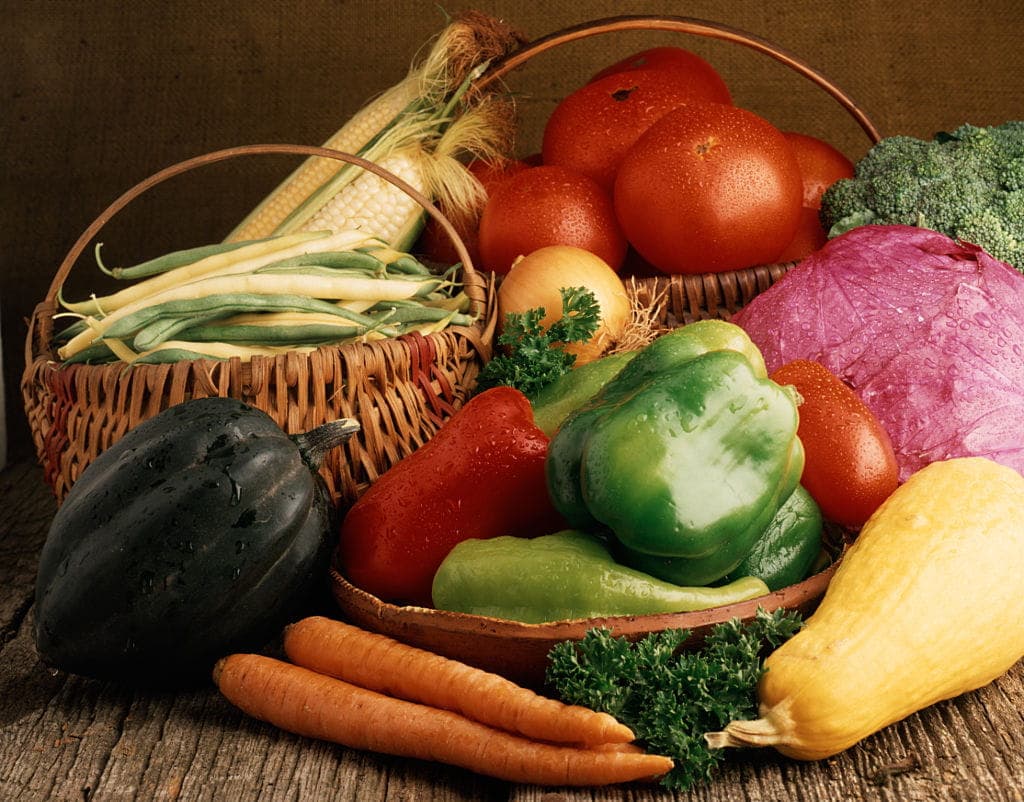

Eating a balanced diet that includes fruits, vegetables, and whole grains is a good thing, right? It’s part of a healthy diet that is supposed to help fight against diseases. However, a new study found that eating this way could actually increase non-smokers’ chances of developing lung cancer.
Lung Cancer in Younger Non-Smokers
Lung cancer doesn’t just strike people who smoke; it can assault anyone at any time. Usually, the average age for a diagnosis is 70. If a person is determined to have the disease before the age of 50, it is considered young-onset lung cancer. Science and medicine have made great strides in treating it, and occurrences have been dropping since the 1990s. However, new research found a disturbing association between healthier diets that include fruits, vegetables, and whole grains and lung cancer among non-smokers. This is especially true in younger people, particularly women.
Researchers studied data from the Epidemiology of Young Lung Cancer study, which included a group of 187 patients with young-onset lung cancer. Women accounted for a whopping 78% of the cluster. Scientists grouped the patients into three sets based on the pathways that drove their tumors: EGFR, fusion-positive, and the mixed mutations group. Then they gathered data from the year before the participants were diagnosed, which included background history such as whether they were smokers, oral contraceptive use, eating habits, and demographics.
According to the researchers, most of the participants had never smoked: 32.9% of prior smokers belonged to the EGFR pathway group, 13.4% to the fusion-positive group, and 21.9% in the mixed group. The surprising result is how much of an impact eating habits had. They discovered that the EGFR and fusion-positive groups had higher than usual (65%) Healthy Index Eating (HEI) scores, meaning they had strong healthy eating habits. The average US adult’s HEI is 57. All participants also ate more servings of dark green vegetables, whole grains, and legumes, compared to the average adult.
But Wait … There’s More
Eating a well-balanced, healthy diet doesn’t mean you’re going to get lung cancer. There are other factors involved, such as pesticides being used on fresh fruits and vegetables. Jorge Nivea, MD, a medical oncologist and lung cancer specialist with USC Norris Comprehensive Cancer Center and lead author of the study, told Medical News Today: “There is a lot of work to be done, from measuring pesticide metabolites in lung cancer patients, to looking at different geographies and relative uses of different specific chemical substances.” Since not all pesticides are the same, more studies need to be done to understand the effects of each one.
Another interesting correlation was the use of oral contraceptives. Around 11.4% of American women between the ages of 15 and 49 have reported using that method of birth control. The EGFR and mixed mutation groups in the study had 77% of the women who said they used contraceptives, with about 65% in the fusion-positive group saying the same.
Still, when it comes to healthy eating and the connection to young non-smokers developing lung cancer, the results are concerning. Nieva said women seemed to be more susceptible to the “most common subtype, EGFR, which more commonly expresses estrogen receptors, particularly in women.” Chemicals in pesticides disrupt the endocrine system, which can heighten the chance of the disease.
“In our study and for the U.S. on average,” Nieva said, “women seem to have much healthier diets than men, and this means greater relative exposure to any contaminants that may be in whole grains, fruits and vegetables.”

.jpg%20fraud&w=1920&q=75)