


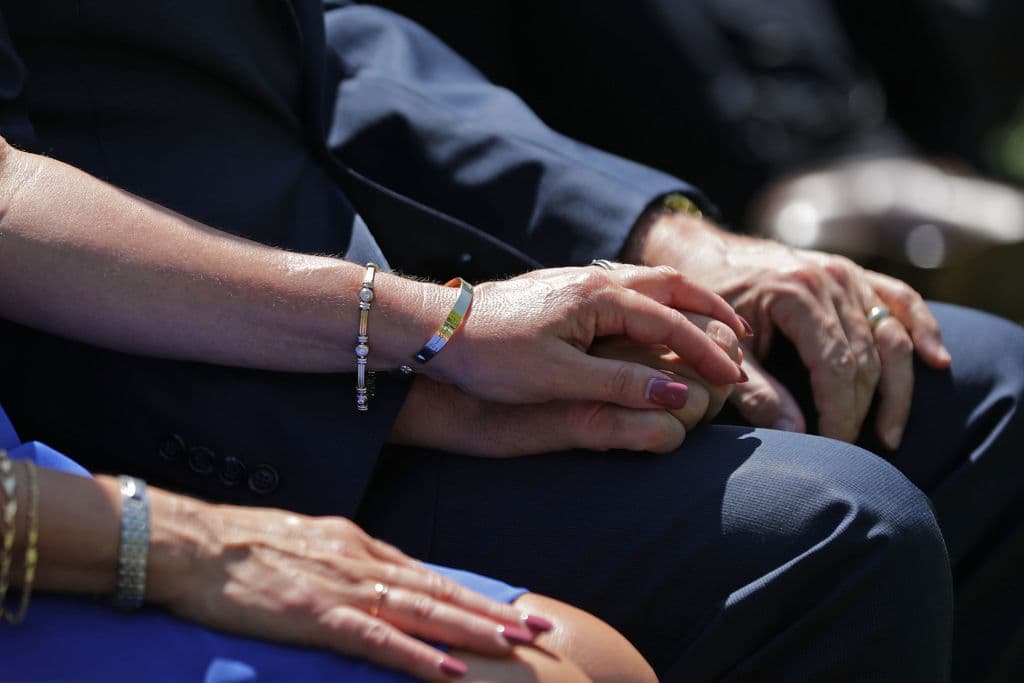

The old saying that marriage makes you live longer may have some truth to it. While it might sound like something pulled from a greeting card, a growing body of research indicates there’s more behind it than sentiment. From lower rates of chronic illness to better survival outcomes in serious diseases, studies increasingly point to a connection between marital status and overall health. A new study suggests that married people have a lower risk of developing cancer.
The Study
There are many studies on the life and health of married couples, most of which indicate that people tend to have a better quality of life if they have a partner. Researchers at Sylvester Comprehensive Cancer Center, part of the University of Miami Miller School of Medicine, dug a little deeper and set out to find out if married people had a higher or lower risk of cancer. Their research, published in Cancer Research Communications, revealed that the risk of that disease is indeed lower for people in long-term relationships.
“We wanted to know who is more likely to get cancer: married people or unmarried people?” said Frank Penedo, Ph.D., associate director for population sciences and director of the Sylvester Survivorship and Supportive Care Institute.
The study involved a dataset that covered 12 states with more than 4 million cancer cases between 2015 and 2022. They evaluated malignant cancers that were diagnosed at age 30 or older and compared them by marital status, sex, and race. The statuses were put into two groups: those who were or had been married, which included widowed and divorced, and those who had never been married.
“We found that never-married adults, both women and men, experienced substantially higher cancer incidence across nearly all major cancer sites, racial/ethnic groups, and age groups compared with ever-married individuals,” the study explained.
Men who had never married had a 68% higher cancer rate, and unmarried women were 83% higher. According to the research:
“Marital status is often treated as a background demographic variable. Yet, our findings suggest that it may function as a social exposure that captures dimensions of cancer risk not fully explained by race, age, or socioeconomic status (SES). It may serve both as a marker of cumulative social advantage and as a multifactorial exposure encompassing behavioral, psychosocial, and healthcare-related factors, such as sexual behavior, parity, tobacco and alcohol use, diet, and engagement with preventive care.”
Another interesting determination was that adults aged 50 and older who were married also had a lower risk of cancer, which suggests the benefits of a long-term relationship continue to grow with time.
Cancer, Health, and Married People
A 2020 PubMed Central study published on the National Library of Medicine website stated, “A systematic review comprised of studies published between 1995 and 2005 indicated that, among the elderly, marriage was a significant and independent predictor of survival, a finding that did not differ between men and women. The overall relative risk of death for married versus non-married persons was 0.88 and 0.90 for men and women, respectively.”
Why do married people have better health and a reduced risk of cancer? Most studies imply it’s the act of taking care of each other. Those who have partners find they look out for each other’s health, too. Maybe they nag you about getting that physical or pester you until you go to the doctor when you’re not feeling well. Several studies even found that healthier people tend to get married.
However, getting married or being in a long-term relationship doesn’t guarantee you’ll live longer or avoid cancer. “But the association between marriage status and cancer risk is an interesting, new observation that deserves more research,” Paulo Pinheiro, M.D., Ph.D., study co-author, said.
It turns out that having a partner may mean more than sharing the bills and chores. It could also play a quiet but meaningful role in how long and how well we live.

.jpg&w=1920&q=75)
.jpg&w=1920&q=75)
.jpg&w=1920&q=75)