


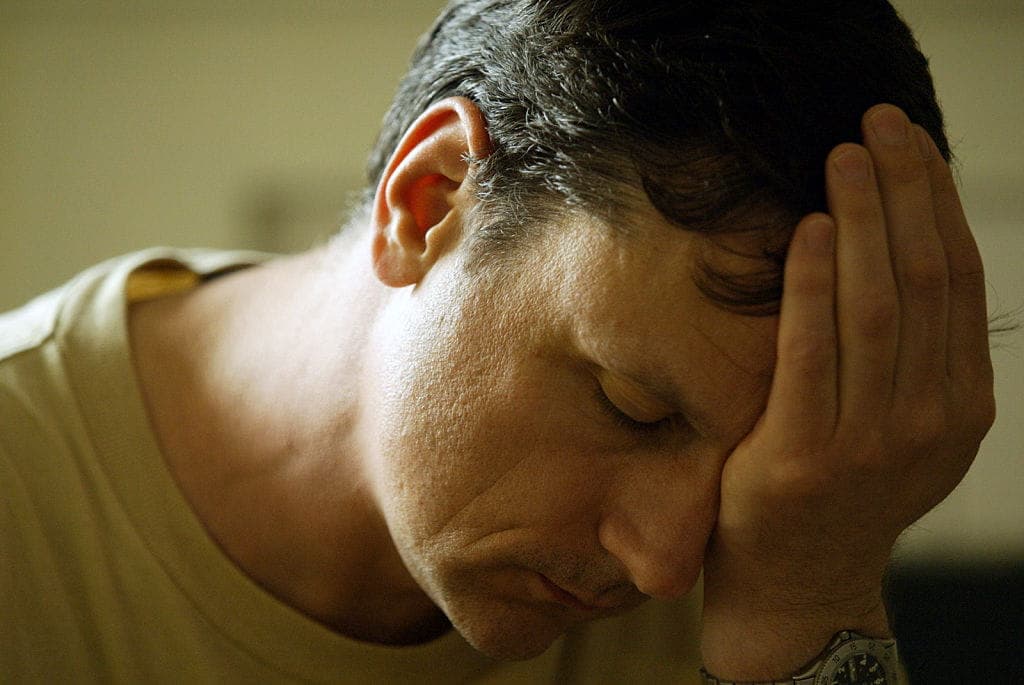

Coffee shops are on nearly every corner, energy drinks fill entire grocery store aisles, and "I'm so tired" has become one of the most widespread phrases people say. Fatigue has become so common that many of us treat it like a personality trait instead of a warning sign. But while a busy week can certainly leave you exhausted, persistent fatigue may be your body's way of telling you that something isn't quite right.
Chronic Fatigue Ain’t No Joke
Why is everyone so tired? Experts say chronic fatigue is becoming a major health problem. In fact, the National Sleep Foundation’s 2025 “Sleep in America Poll” found that six-in-ten adults don’t get enough sleep. Nearly four-in-ten struggle to fall asleep at least three nights a week, and almost half report poor sleep quality.
There’s a medical term for this called myalgic encephalomyelitis/chronic fatigue syndrome (ME/CFS). Women (1.7%) are affected more often than men (0.9%), and the rates increase with age through the 60s. About 3.3 million people are diagnosed with the disease according to the Centers for Disease Control and Prevention (CDC). However, many people go without being professionally diagnosed, attributing it to just stress, age, or some other common ailment.


Free with the Daily Briefing
85EssaysUnravel the Constitution
Hamilton, Madison & Jay’s complete case for America, free and searchable in the Publius Reader.
Free with the Daily Briefing. Unsubscribe anytime.
But chronic fatigue can be a very serious health condition. The National Institute of Health (NIH) describes it as “a serious, chronic, complex, and systemic disease associated with neurological, immunological, autonomic, and energy metabolism dysfunction.” Symptoms include “significant impairment in function, post-exertional malaise [worsening of existing symptoms], sleep impairment, cognitive issues, pain, orthostatic intolerance [body struggles to regulate blood pressure and heart rate while standing or sitting], flu-like symptoms, sensory intolerance, gastrointestinal and genitourinary issues.” Who knew not getting enough sleep could cause so many health conditions? Additionally, NIH said: “Post-exertional intolerance (PEM) is the hallmark of the disease in which even trivial amounts of activity result in a prolonged exacerbation of symptoms and a further reduction in function.”
Sleep deprivation has some serious health effects. According to a 2025 review by NIH, it’s linked to a plethora of diseases, including stroke, heart disease, obesity, high blood pressure, type 2 diabetes, poor mental health, and a higher overall mortality risk.
There’s no one single cause for chronic fatigue, but some possible issues include infections, immune system changes, problems with energy metabolism, inflammation, and genetics.
Brain and Immune System Differences
A 2024 study published in Nature Communications found that people with chronic fatigue have differences in the brains and immune systems, and that there are variances between men and women with the disease.
“People with ME/CFS have very real and disabling symptoms, but uncovering their biological basis has been extremely difficult,” said Walter Koroshetz, M.D., director of NIH’s National Institute of Neurological Disorders and Stroke.
The study focused on three areas: the brain, the immune system, and the nervous system.
Brain scans showed that people with chronic fatigue had lower activity in the part of the brain that helps control how much physical and mental effort we use. Researchers suggest this may explain why people become exhausted so quickly, since even simple activities like taking a shower or answering emails can leave them feeling drained for days. This is not about muscles getting tired more easily. The brain processes and manages energy differently.
Researchers found that the immune system didn’t seem to work normally. The body looked like it was stuck in a constant state of fighting off an illness, even when there wasn’t one. They also discovered changes in how the body produces and uses energy, which might explain why people feel worn out all the time.
In relation to the nervous system, the study identified that people had lower levels of certain chemicals that help the brain and nerves communicate with the rest of the body. Those with the lowest levels tended to have more trouble with movement, memory, concentration, and brain fog.
Managing Lack of Sleep Issues
Currently, there isn’t a cure for chronic fatigue, but there are suggestions on trying to manage the disease. CDC says that one of the biggest recommendations is called “pacing” or staying within your “energy envelope.” Instead of doing everything on a good day and crashing afterward, try to alternate activity with rest, break large tasks into smaller ones, try to plan ahead, and learn your physical limits.
From Liberty Nation News, Trivia, Facts, Check Us Out
Stay informed.
Today’s news, the Constitution and American history, written for young readers.
Visit GenerationLiberty.com
News, Trivia, Facts, Check Us Out
Stay informed.
Today’s news, the Constitution and American history, written for young readers.
Visit GenerationLiberty.com
What may be surprising to some is that, according to the health authority, vigorous exercise is not recommended for people with ME/CFS because it can worsen symptoms. We may think that tiring ourselves out will help us sleep, but that might not be the case. Instead, CDC suggests, activity should be individualized and kept within a person’s limits.
Improving sleep habits can further help relieve some of the symptoms. Although it may be difficult, try to set and follow a sleep schedule – in bed by 9 p.m. every night, for example. Try limiting caffeine later in the day, and the Mayo Clinic recommends managing stress through meditation and deep breathing, yoga, tai chi, counseling if needed, and avoiding overcommitting yourself.
For years, people with chronic fatigue were often told they simply needed more sleep, more exercise, or a better attitude. Research is painting a very different picture. Coffee can mask fatigue for a few hours, but it can't fix what's causing it. Understanding why our batteries keep running low may be the first step toward making "I'm so tired" a little less common.