
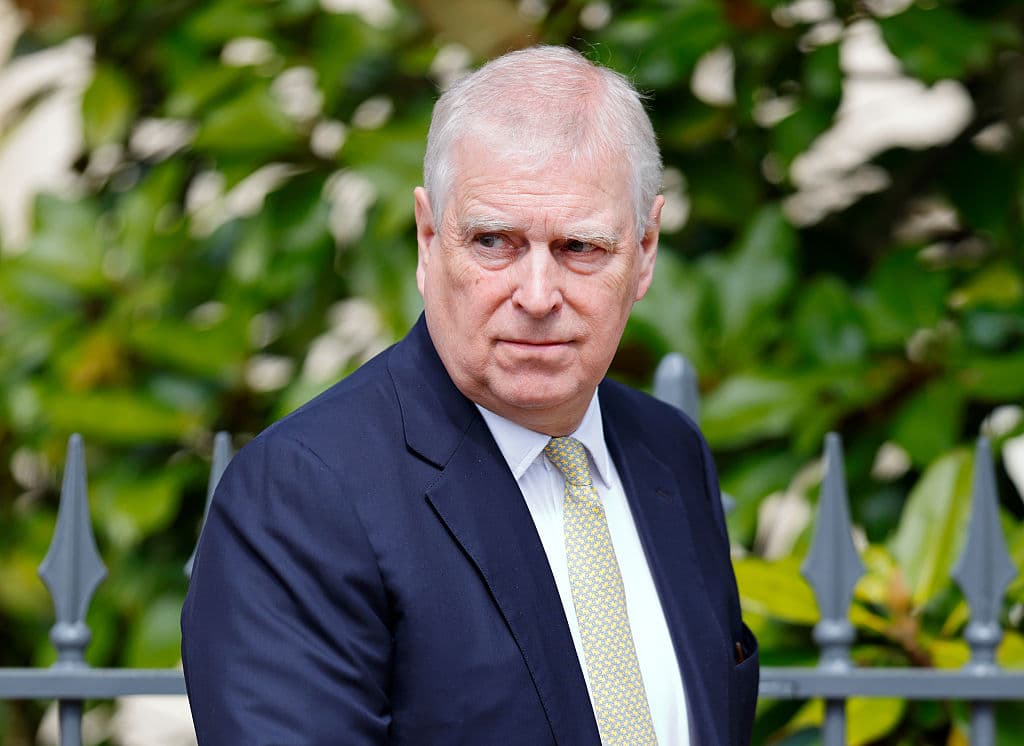

Charles the First of England was seized by paramilitary forces some 380 years ago; he was the last member of the British Royal Family to be arrested (and ultimately beheaded) – until this week. While Andrew Mountbatten-Windsor (formerly known as Prince Andrew) will not face the swift execution suffered by his forebear, his associations with disgraced predator Jeffrey Epstein could lead to actual jail time. But the fallout from the Epstein files has spread far beyond just a minor royal and to the very heart of government. The repercussions have only just begun.
A Royal Rumble
When the news initially came out regarding Andrew’s association with Epstein, he was removed from Royal duties. As lurid details came to light, he was officially stripped of the title “prince.” On February 19, he was arrested for suspicion of misconduct in public office, which in itself is a strange offense, usually ruled upon by judges when one has abused their office for personal benefit.
King Charles III and other members of the royal family have distanced themselves from the erstwhile prince of the realm in recent months, culminating in a statement by Charles, saying, “Let me state clearly: the law must take its course.”
Any hope of a royal reprieve at this point seems unlikely. And yet, in what is a bad week for the country, there is almost certainly a sigh of relief from the sitting government – not because justice is perceived to be done, but because the ordeal provides a superb distraction from Prime Minister Sir Keir Starmer’s own Epstein issues.
A Question of Judgment
PM Starmer is currently the least popular British leader since records of such things began. He sits on an approval rating of around 13% – which is quite a precipitous drop from winning a landslide majority less than two years ago. His issue is that he appears to U-turn on almost every major decision (15 big ones so far) and remains intent on introducing unpopular policies, for example, removing the right to jury trial.
From Liberty Nation News, Trivia, Facts, Check Us Out
Stay informed.
Today’s news, the Constitution and American history, written for young readers.
Visit GenerationLiberty.com
News, Trivia, Facts, Check Us Out
Stay informed.
Today’s news, the Constitution and American history, written for young readers.
Visit GenerationLiberty.com
But the revelations in the Epstein files are merely the latest straw on the parliamentary camel’s back. Not that he himself is accused of wrongdoing, but that he appointed a number of high-level people whose relationships with the disgraced financier were well known.
Consider Peter Mandelson, a man who has been the chief spin doctor of the Labour Party since the ’90s. He was appointed as the Ambassador to the United States (certainly the most important non-cabinet role) despite his long relationship with Epstein. Worse, the latest batch of files suggests that he may have been leaking sensitive government information to the man he described as his “best pal.”
Starmer’s chief of staff, Morgan McSweeney, was forced to resign over the quality of his advice in the matter, as were several other notable key aides for their association with Epstein and Mandelson. But as the saying goes, the buck has to stop somewhere.
An Epstein Affair
That Starmer appointed so many people who had intimate relations with either Epstein or Mandelson shows a complete lack of judgment that threatens his premiership. Indeed, it is widely speculated in Westminster that the only reason his own party has not yet removed him is that the upcoming local elections on May 7 are likely to be such a disastrous result for the Labour Party that whoever takes over would almost immediately have to resign.
The Epstein saga has claimed numerous scalps on both sides of the Atlantic, but the full impact of this sordid tale is far from complete.