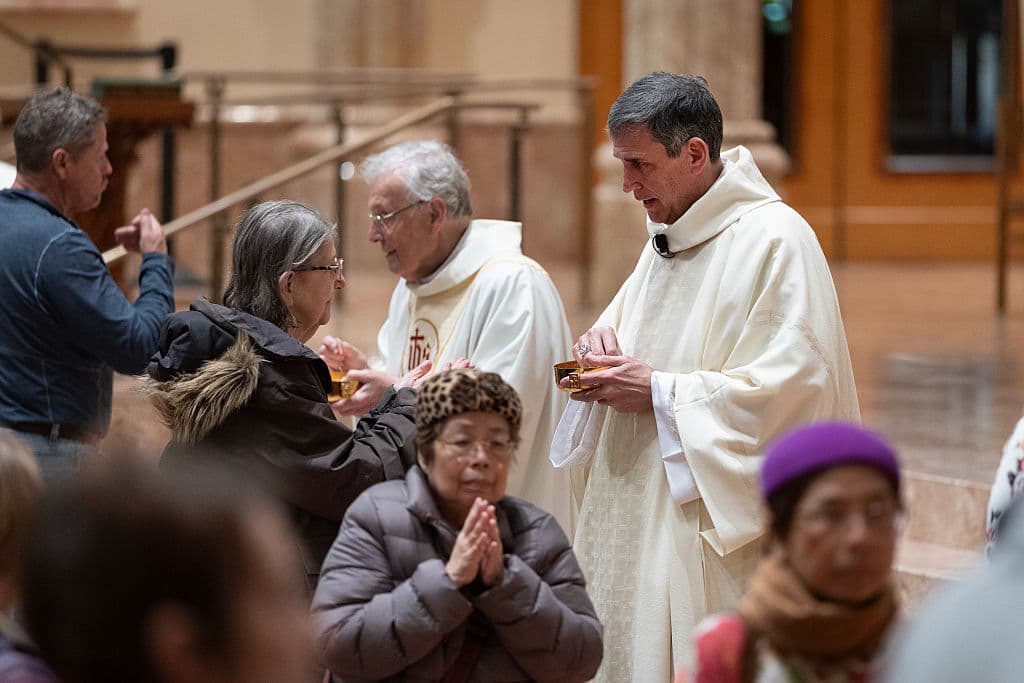

The Catholic Archdiocese of Washington, DC, has announced broad layoffs and spending cuts that reflect ongoing fiscal struggles within the Catholic Church. Slowed church attendance during the COVID pandemic, an anemic economy, and scores of sex abuse claims against clergy have battered coffers. The archdiocese’s struggles in the nation’s capital mirror efforts to surmount challenges to faith as well as finances.
Fiscal Penance?
Dozens of US Catholic dioceses have filed for bankruptcy oversight due to sex abuse violations, which spiked after many states relaxed statutes of limitations to permit claims. With church attendance rebounding and most abuse cases settled, Catholic churches across the country seek to reconcile past transgressions with continuing service to the needy. Concurrently, future priest abuses may be better policed by state laws that compel clergy to report knowledge of sexual abuse, even if gained through the sacrament of confession.

Catholic Ethics Struggle
While the DC diocese struggles to balance its books, Catholic leaders on the other side of the country have sued Washington state leaders over a new law requiring priests to break the confessional seal to report suspected child abuse. Such mandatory reporting requirements already bind other non-religious professions, but subjecting priests to possible arrest has raised separation of church and state issues. The constitutional barrier between the secular and the sectarian has faced many recent frictions, including the appropriateness of secular USAID billions diverted to an overtly religious organization and FBI spying on conservative Catholics. The Spokane diocese filed for bankruptcy due to sex abuse claims, from which it emerged in 2007. Some Catholic leaders claim the new Washington state law is discriminatory because its requirements extend into the holy sacrament of penance, which will discourage offenders from disclosing their offenses. Others claim healing and abuse prevention are obligations, noting that concealing sex abuse secrets has not served the Church well morally or financially. This controversial subject includes consideration of whether church bankruptcies better serve the Church (taking refuge in court from legal claims) or sex abuse claimants (preventing early victims from obtaining larger recoveries than those later). The financial struggles of the DC diocese reflect a similar persistent challenge in balancing those facing moral as well as financial bankruptcy: how to serve the most vulnerable by praying for (instead of preying upon) them.Dig Deeper into the Themes Discussed in this Article!
Liberty Vault: The Constitution of the United States
Liberty Vault: The Bill of Rights
.jpg&w=1920&q=75)