

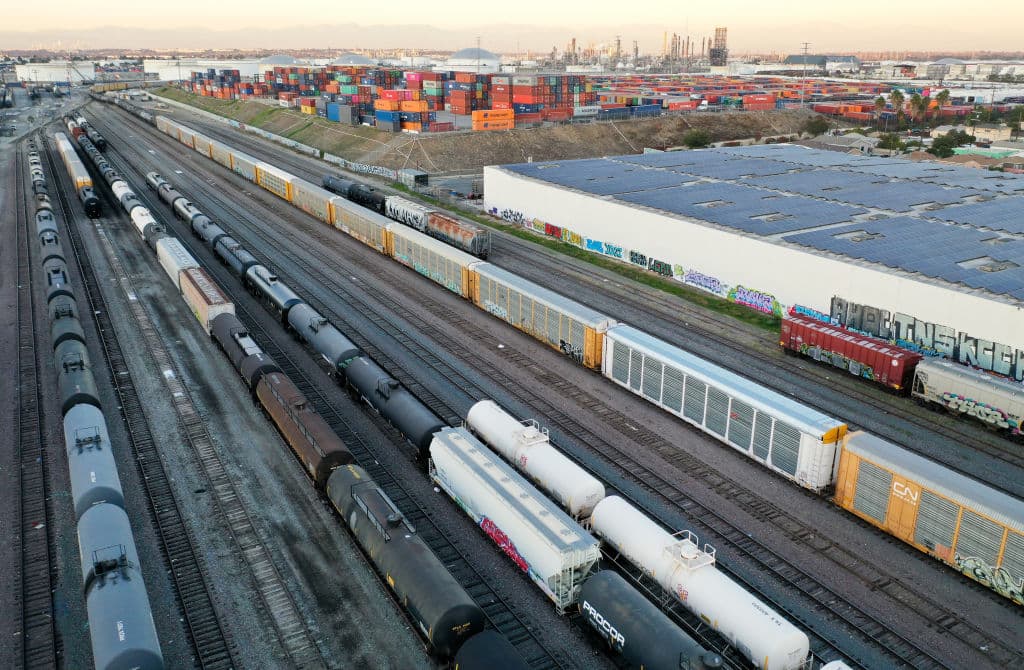

Congress acted, and the looming rail strike seems likely to be averted. In a 290-137 vote, the House of Representatives passed House Joint Resolution 120 Wednesday afternoon, November 30, which forces unions to accept an agreement made earlier in the year between railroad managers and their workers.

The House also passed H. J. Res. 119 with a 221-207 vote. This second resolution would provide seven days of paid sick leave to railroad workers – a measure meant to ease concerns from some unions and lawmakers, despite the president’s request that the already negotiated deal not be changed. Both measures now move to the Senate. While the strike-averting resolution is expected to pass, the one requiring companies to provide paid time off is far from a sure bet.
Difference in Opinions
“We’re disappointed that Congress is being called to intervene here for a couple reasons,” said Peter Kennedy, chief negotiator for BMWED (The Brotherhood of Maintenance of Ways Employees Division), one of the unions that rejected the agreement for not addressing the lack of sick leave. “We continue to ask Congress to do the right thing here, which is: If you’re going to legislate a solution, they should also legislate paid sick leave along with the tentative agreement.”
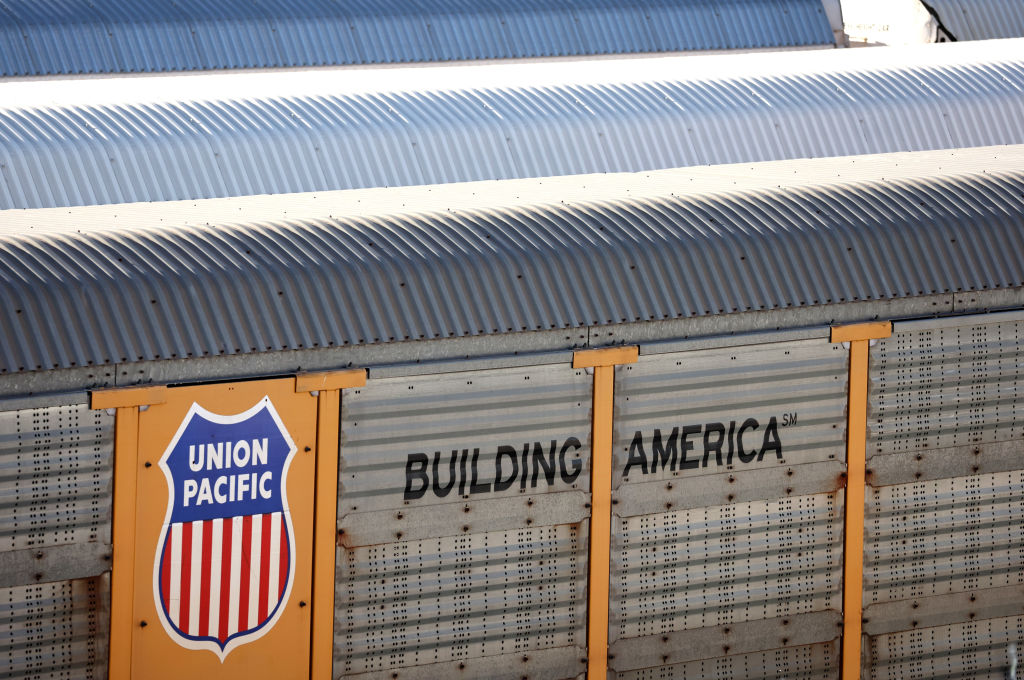
(Photo by Mario Tama/Getty Images)
Not all the union representatives, however, agreed with Kennedy and Congress. Railroad managers had warned against making any changes to the agreement, arguing instead that it should be implemented as it was negotiated back in the fall.
“The Ramifications of approving such a measure would disincentivize future voluntary agreements for freight railroads, Amtrak and airlines if a party in bargaining believes it can obtain a better deal from Congress than it could through good faith negotiations and the statutory [the Presidential Emergency Board] process under the Railway Labor Act,” Association of American Railroads President Ian Jefferies said in a statement.
The Cost of a Rail Strike
Without congressional intervention, a rail strike would almost certainly come. Were it not averted in some way, operation would begin to shutdown as early as December 9 – but the effects would have been felt even sooner. “Rail carriers have already notified that ammonia shipments will need to be pulled off the network starting about five days before, which would be December 4th,” explained Corey Rosenbusch, president of the Fertilizer Institute.
About 30% to 40% of all goods in America are transported by rail, and a shutdown would adversely affect the country’s supply chain across the board – especially given the fact we’re already suffering from backlogged ports and a trucking shortage. But it would be especially disastrous for products like ethanol, fertilizer, and grain, which are moved primarily on trains.

.jpg&w=1920&q=75)