



For most of human history, the United States wasn't the world's most powerful nation – or even around at all. In fact, it's a relative newcomer. Ancient Rome lasted centuries. The British Empire ruled a quarter of the globe. But America has only been the dominant superpower for about 80 years. So how did it happen so quickly, and can it stay that way?
America Celebrates 250th Anniversary
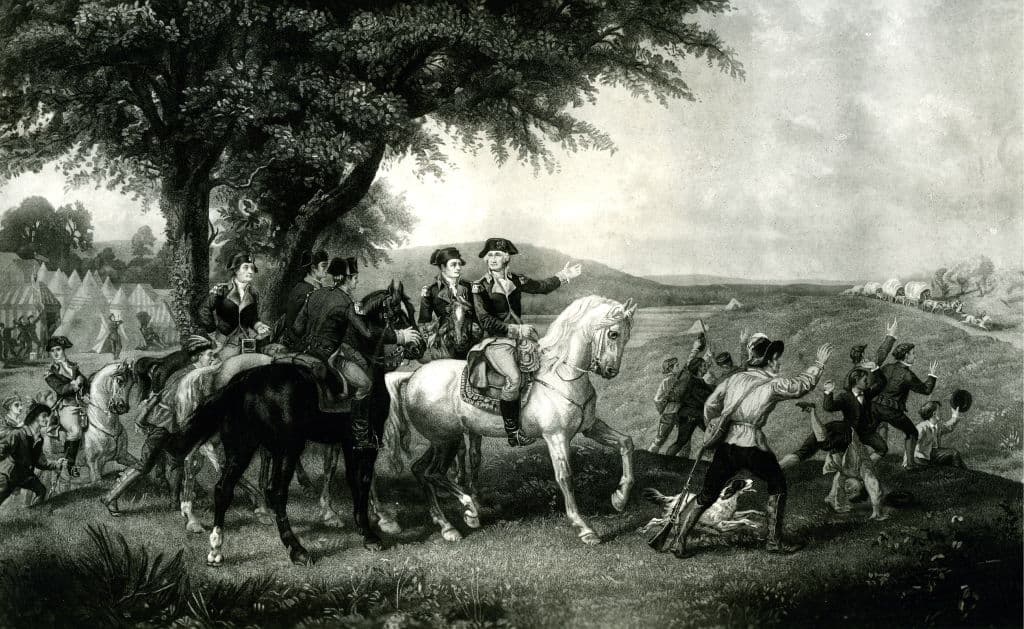
Happy 250th anniversary, America! We’ve come a long way and have grown so much in such a short time compared to other civilizations. China, for example, traces its history back thousands of years. England’s monarchy predates Christopher Columbus. France was already an established kingdom centuries before the Declaration of Independence. Yet, in just two and a half centuries, America rose from 13 struggling colonies hugging the Atlantic coast to become the world’s leading economic, military, and cultural power. It’s one of history’s fastest rises to global leadership, and that’s worth reflecting on as the nation celebrates our independence.
We’ve come a long way since the American Revolution, when we were seen as just a motley group of farmers trying to fight the British superpower. While that may have been shocking enough at the time, did other countries or the founding fathers ever imagine the world power America would become, and in such a short time? What propelled us to the top? Was America's rise driven primarily by military strength or by the freedoms that encouraged innovation, entrepreneurship, private property, and immigration?
World War II
Most historians agree that America truly became the world’s leading power after World War II. While Europe was devastated and Japan’s economy was destroyed, the US escaped with its factories intact. Instead of simply taking territory, America invested billions of dollars rebuilding Europe through the Marshall Plan in 1948, which was one of the largest foreign aid programs in history. It helped Europe to rebuild while allowing those nations to continue purchasing American goods, creating jobs in the US.
This time allowed the United States to create more allies, expand trade, help prevent another depression, and increase American influence. The almighty dollar became the world’s reserve currency, and by 1945, the US produced over half of the world’s manufactured goods. America helped create institutions such as the IMF, World Bank, and United Nations.
The US Dollar
The US dollar is one of the biggest reasons America became – and has remained – the world's leading economic power. It's not just the money Americans use; it's the currency much of the world relies on for trade, savings, and international finance.
Free with the Daily Briefing
85EssaysUnravel the Constitution
Hamilton, Madison & Jay’s complete case for America, free and searchable in the Publius Reader.
Free with the Daily Briefing. Unsubscribe anytime.
Before World War II, the British pound sterling was the world's dominant currency because Britain had the largest empire and was a major trading nation. But after WWII, the United States had the strongest economy and held most of the world's gold reserves. In 1944, representatives from 44 Allied nations met in Bretton Woods, New Hampshire, to create a new international financial system. They agreed to tie their currencies to the US dollar, and the dollar itself was backed by gold at $35 per ounce. This gave countries confidence that the dollar would remain stable.
In 1971, former President Richard Nixon ended the dollar's direct link to gold. Many expected the dollar to lose its dominant role, but it didn't. Over time, confidence in the US economy became more important than gold itself. Think of the dollar as the world's "universal gift card." Even if two countries don't trade directly with the United States, many still prefer to do business in dollars because they know almost everyone else will accept them. That widespread trust has given America enormous economic influence for decades.
Military Strength
Before the 20th century, the United States generally stayed out of European conflicts. That changed during the two World Wars. In World War I, American troops and supplies helped tip the balance in favor of the Allies and demonstrated that it could provide military power overseas. By the end of World War II, America had built the largest military force in its history, producing enormous numbers of ships, aircraft, tanks, and weapons. American factories became known as the "Arsenal of Democracy" because they supplied not only US forces but also Allied nations.
After WWII, the United States possessed the largest and most capable navy in the world. Unlike previous powers that mainly defended nearby waters, the Navy could operate across every major ocean, which helped the nation protect shipping routes, respond to conflicts around the world, warn off potential adversaries, and reassure allies that the US could aid them if needed.
Unlike earlier empires that governed colonies directly, the United States developed a global network of military bases and alliances. Today, US forces are stationed in dozens of countries, allowing them to respond rapidly to natural disasters, military conflicts, and threats to allies. These bases also serve as training centers and logistical hubs, extending America's reach far beyond its own borders.
In 1949, the United States became a founding member of the North Atlantic Treaty Organization (NATO). American military strength became the backbone of the alliance, helping deter aggression during the Cold War and reinforcing U.S. leadership among democratic nations.
From Liberty Nation News, Trivia, Facts, Check Us Out
Stay informed.
Today’s news, the Constitution and American history, written for young readers.
Visit GenerationLiberty.com
News, Trivia, Facts, Check Us Out
Stay informed.
Today’s news, the Constitution and American history, written for young readers.
Visit GenerationLiberty.com
In 1945, the United States became the first country to successfully develop and use nuclear weapons.
Although the Soviet Union soon developed its own nuclear arsenal, America's early lead helped establish it as the dominant military power in the immediate postwar years.
America's military advantage wasn't based solely on the size of its armed forces. It also invested heavily in research and development, including jet aircraft, satellites, GPS, stealth technology, the internet, precision-guided weapons, and modern cybersecurity. Instead of just making products, America became the place where new industries were invented and became the home of Silicon Valley, aerospace, and other major innovations, which helped the country stay on top.
For 250 years, generations of hardworking men and women have built, defended, invented, and sacrificed to make the nation what it is today. Here's to 250 years of liberty, opportunity, and perseverance - and to the generations who will write the next chapter of the American story.



.jpg&w=1920&q=75)