
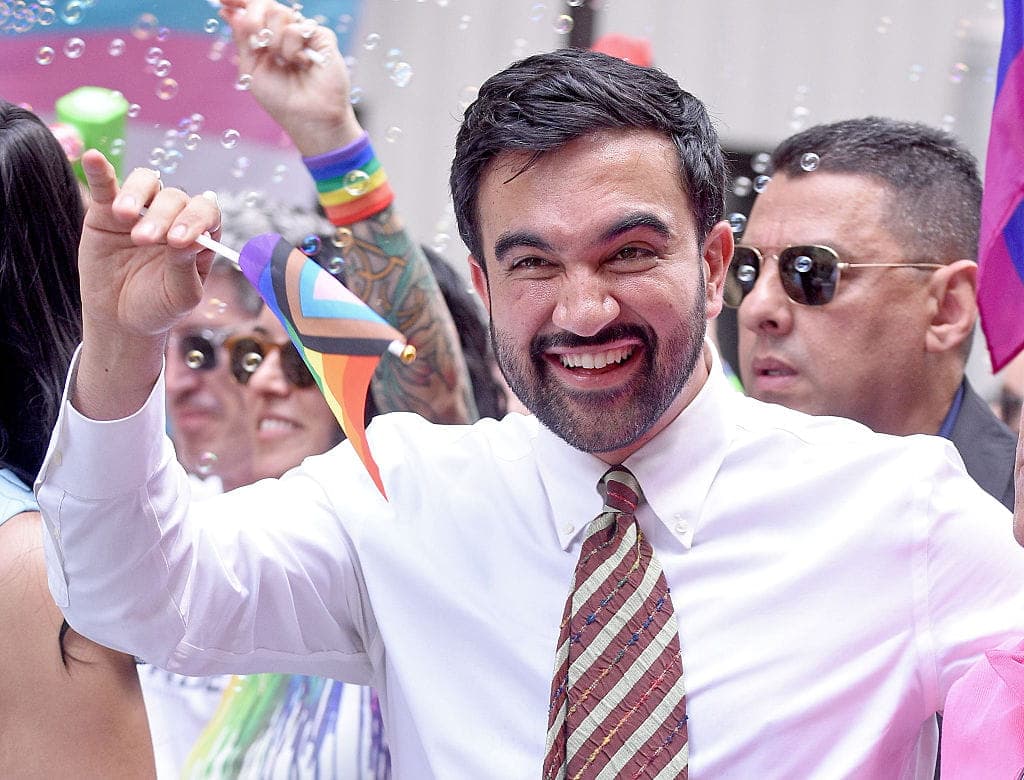

Democratic socialism is traversing through the news cycle. Based on headlines and electoral results, this is New York City Mayor Zohran Mamdani’s world, and we are merely living in it. But poison by any other name would taste just as toxic. Throughout history, societies have experimented with various socialist miracles – or nightmares, if you will – and the closest anyone has ever come – Norway, for example – is to rely on capitalism and free markets to fund an immense social welfare state.
There are, however, plenty of illustrations of market miracles since the Second World War, brought to you by Ludwig Erhard in Germany, Lee Kuan Yew in Singapore, and Javier Milei in Argentina.
Market Miracles > Socialist Miracles
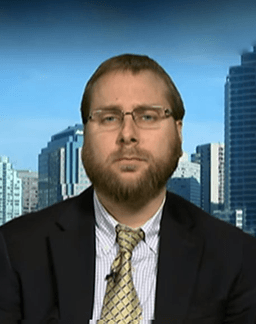
Economist Robert Wenzel opined a decade ago that former German Chancellor Ludwig Erhard (1963 to 1966) was the “greatest economic policymaker ever.” Wenzel wrote in 2017:
"Not because he was a great economic theoretician. He wasn't a theoretician. And if you compare him against Ludwig von Mises or Murray Rothbard, he wasn't as consistent a free market advocate as they were. But he was principled, a strong free market advocate and always stuck to his principles."
Germany’s bombed economy had been a disaster after the war’s end. Growth was non-existent as factory output was anemic. The Allied occupation implemented a price-control system, leading to rampant food shortages. The Reichsmark was worth nothing (cigarettes were the primary form of currency). It was a far cry from the affluence Germany had been accustomed to over the decades.
Free with the Daily Briefing
85EssaysUnravel the Constitution
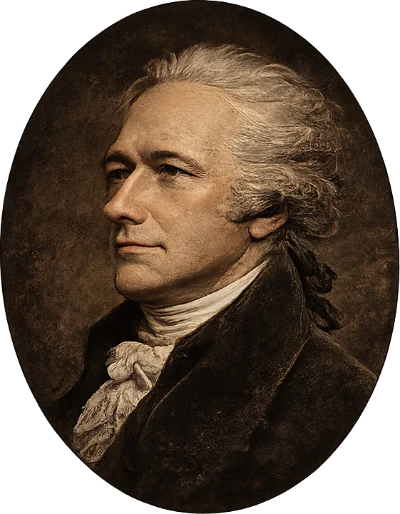
Hamilton, Madison & Jay’s complete case for America, free and searchable in the Publius Reader.
Free with the Daily Briefing. Unsubscribe anytime.
Erhard, an economic minister from 1948 to 1963, abandoned price controls and abolished the Allies’ regulatory framework. Most notably, he replaced the Reichsmark with the Deutschmark and created a hard-money infrastructure (100 old Reichsmarks for almost seven new Deutschmarks). Faster than you can say Wirtschaftswunder, shop windows were full, and industrial output rebounded handsomely (outpacing money supply growth).
The market miracle? Prices fell, real (inflation-adjusted) wages climbed, and the Deutschmark was strong. But this was not the only occasion of successful market-oriented reforms in world history.
Lee Kuan Yew, Singapore’s first father and prime minister, has gained newfound popularity among the cool kids on X. Various speeches and statements by the late leader have circulated on the social media platform. Even his remarks on air conditioners have gone viral in recent weeks.
From Liberty Nation News, Trivia, Facts, Check Us Out
Stay informed.
Today’s news, the Constitution and American history, written for young readers.
Visit GenerationLiberty.com
News, Trivia, Facts, Check Us Out
Stay informed.
Today’s news, the Constitution and American history, written for young readers.
Visit GenerationLiberty.com
Former President Richard Nixon lauded Yew for his work, writing: “A big man on a small stage who in other times and other places, might have attained the world stature of a Churchill, Disraeli or a Gladstone.”
His market-focused policies transformed the city-state into an economic powerhouse following its independence from British colonial rule, positioning it as a financial hub alongside New York and London. Yew concentrated on law and order, clamped down heavily on corruption in his government, and facilitated public order. Embracing free trade, using market prices, and adopting the English language were also pivotal to Singapore's success.
While Yew’s legacy has not been immune to criticism over his iron grip on power and taking advantage of global financial crises, Singapore is one of the few former British colonies to be a success story.
He said in a May 2001 interview with PBS:
"We just about made it. We could easily have failed. If we hadn't made it then, I doubt if we could make it now. If we had thrown away the chances that came our way then in the 1960s, '70s, '80s, I think to restart now would have been very difficult. You had to pre-empt certain positions. Becoming a hub, becoming a container-port hub, becoming a hub for financial institutions and financial transactions. Somebody else would have done it, and we can't play catch up."
Observers do not need to go back a few decades to find impressive cases of nations adopting free markets, however. Argentine President Javier Milei’s chainsaw economics and “shock therapy” transformed the South American country almost instantly. After years of disastrous Peronist rule that led to hyperinflation, enormous debt, poverty, currency crisis, and anemic growth, Milei generated widespread economic policy reforms, and the results have been incredible.
Which Road, America?
Much like the Tea Party revolution following former President Barack Obama’s victory, the United States is now witnessing a democratic-socialist uprising in the age of Donald Trump. Across the country, Mamdani-endorsed candidates are winning primaries, and with a growing chorus of young Americans espousing the virtues of socialism, the far left could have its moment in the national spotlight. It is unclear how the philosophy differs from past efforts to produce socialist miracles. But America could soon have a taste of Zohranomics.

.jpg&w=1920&q=75)