
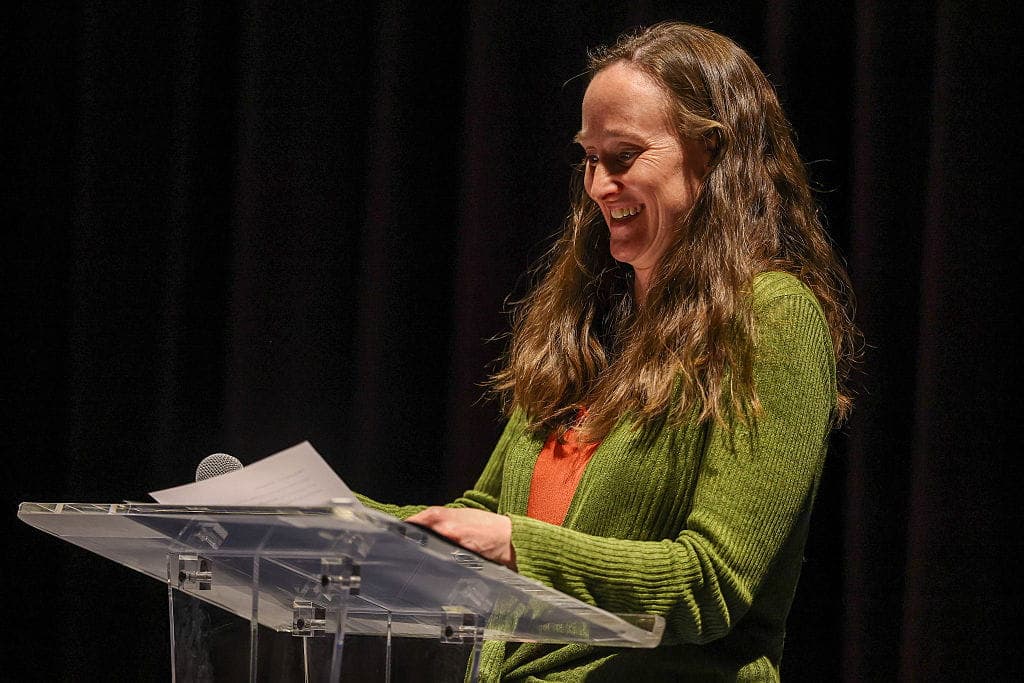

What does a Democratic Socialist leader do when her city is facing a $175 million budget deficit? Why, raise taxes, of course. Seattle Mayor Katie Wilson isn’t winning any brownie points with citizens or other politicians. The cost of doing business in the Emerald City has been driving companies away, and Wilson’s wave-goodbye indifference has only heightened the problem. Now, the mayor wants to boost taxes – again – to help cover transit costs, and at least one Democrat had harsh words of warning for her.
Seattle Mayor Pushes More Taxes
The state and especially Seattle are facing an exodus of citizens and businesses, leaving the city with around 35% of its buildings unoccupied. Self-proclaimed socialist Wilson thinks the best way to pay for transit is to raise more taxes on a community already levied to stratospheric heights. Her proposal will increase the sales tax by 0.3% to fund additional bus services and free transit passes for impoverished families for ten years. At least citizens will have the opportunity to vote on the measure come November, but Democratic City Councilman Robert E. Kettle expressed his concerns in a letter to the mayor.
Wilson claimed it is a “package that respects people's hard-earned dollars and brings 100,000 more bus trips to Seattle every year.” If it passes, “it will fund 22,000 free transit passes for low-income households.”
Kettle, however, expressed his concerns about an already high budget deficit and how the mayor should focus on addressing the city’s finances rather than adding to the burden. In the letter, he wrote, “To be clear, I support progressive taxes, generally. It is the layering of progressive tax on top of progressive tax, again and again, that has me and many others worried. This also is ‘inherently unsustainable.’ Important to note, continuing to use property levies to fund critical initiatives may not be an available option for both legal and political reasons in the future.”
Kettle went on to mention conditions in Seattle and the exodus happening due to the high cost of doing business there:
“I draw attention to these points because we do not live on an island in Seattle. For every action, there is a reaction, and we see this in tax policy as well. Recent taxes aimed at sizeable Seattle businesses are now experiencing a backlash. Companies are asking their employees to work in Bellevue to avoid the growing tax burden in Seattle. I know employees who wish to work in Seattle but cannot. Underlining this point is that while tech jobs are growing across King County, they have stalled in the region’s marquee city.”
Socialism Proves Nothing Is Free
“Socialism is a philosophy of failure, the creed of ignorance, and the gospel of envy, its inherent virtue is the equal sharing of misery.” Winston Churchill
The misinformed believe socialism will provide goodies and freebies, yet they don’t understand that nothing is for free. Just paying attention to some of the policies socialist leaders put into place and the effects on the cities they run should be proof enough. Seattle is only one example; New York is another.

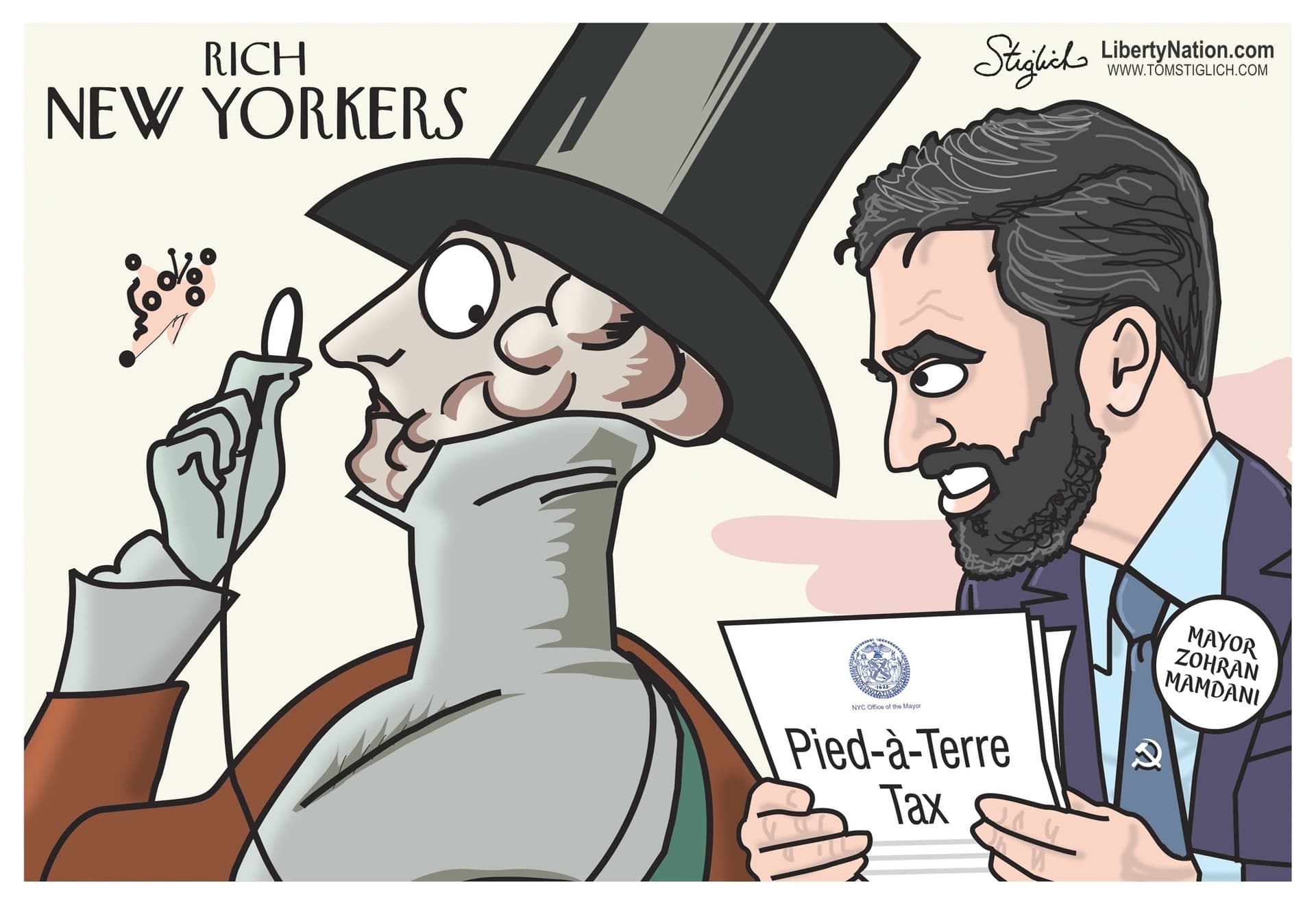
The Big Apple’s Mayor Zohran Mamdani has a bevy of proposals that include higher corporate taxes, higher income taxes on wealthy residents, city-owned grocery stores, expanded public housing, and free buses. His free transportation idea is an expensive one, costing taxpayers approximately $500–$700 million per year to implement.
To address the city’s budget gap, Mamdani has proposed two options: tax wealthy residents and corporations or legislate a 9.5% property tax increase. As The Washington Post reported, his agenda would cost around $10 billion a year, and he proposed about $9 billion in new taxes to meet that need. Even Democratic Gov. Kathy Hochul has opposed such tax increases.
Seattle and New York may be separated by nearly 3,000 miles, but they're reading from much the same playbook: bigger government, higher taxes, and promises of more "free" benefits. As history as proved time and again, the problem is that when businesses leave, taxpayers relocate, or investment slows, there are fewer people left to finance those goodies.