


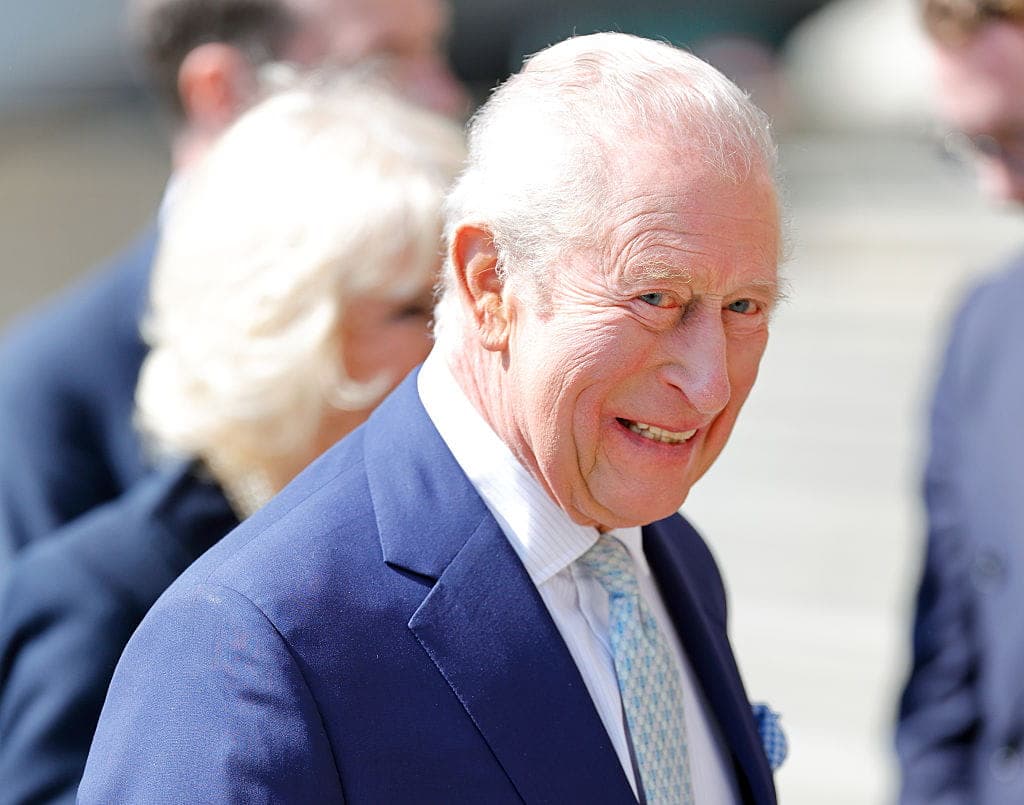

King Charles III arrived yesterday (April 27) for the first leg of his official state visit. Meeting with President Donald Trump and First Lady Melania, the king and his wife, Camilla, began the US tour with afternoon tea and a garden party. Beyond the pageantry and photo opportunities, however, hovers the specter of increasingly poor relations between what used to be the world’s strongest allies.
The president is a well-known Anglophile who has deep connections with the United Kingdom through his mother and, of course, his business endeavors. But cordiality between the two nations has been strained of late. And much of this tension – if not all – comes from the differing political worldviews of the nations’ leadership.
Pick Your Poison
British Prime Minister Sir Keir Starmer is currently the most unpopular PM since such records began. Notably, he achieved this unenviable position just a year and a half after winning a landslide election. Trump’s own popularity ratings are also in the negative, with Liberty Nation News’ Public Square polling aggregator suggesting he is underwater by 15 points. But how each man has reacted to his favorability ratings shows they are a world apart when it comes to leading their respective nations.
Starmer has overseen the largest tax raid since World War II, his parliament is in the process of removing the centuries-old right to trial by jury, the borders are wide open, and the government seems incapable of deporting the thousands who are put up in hotels and given taxpayer funds. But that’s just on the domestic front. Internationally, Sir Keir appears to endorse every safe-play internationalist perspective regardless of whether it is a net-detriment to Britain.
Notably, the PM refused to take either a side or a stance on the Iran war – and for a country with the highest gas prices in the developed world, letting the chips (or oil barrels) fall where they may, that is no sensible strategy.
Which brings us to the bone of contention.
Trump Delivers Hard Truths
The president commented on the PM’s performance and incredibly precarious position. He said, “If he opened the North Sea [for drilling] and if his immigration policies became strong, which right now they're not, he can recover, but if he doesn't, I don't think he has a chance." Starmer is used to the polite cooperation of the internationalist lobby, where no leader will call out another unless he or she steps one inch off the postage-stamp consensus. The blunt delivery from Trump must have been stinging.
Starmer responded directly, saying, "I make my decisions based on what's in the British national interest and not what other people say or do … That is why I took the decision that we would not be dragged into the war in Iran … I'm not going to be diverted or deflected from that by what anybody else says."
These may seem like bold words, but, in reality, the UK public and even the left-leaning, friendly British media have taken to calling him out on his seemingly never-ending string of policy U-turns. In fact, he does listen to and care about what other people say – perhaps too much. Starmer is fighting a running battle not only with President Trump and with the opposition in Parliament but also with maneuverings within his own party.
The knives are out for Sir Keir, and it seems the only reason he is still prime minister is because the local elections that occur on May 7 look likely to be the biggest loss his Labour Party has ever seen. No one wants to challenge him for the leadership of a party that is set to be a major loser. Come May 8, all that changes.
So why, amid homefront turmoil and international war, do King Charles III and President Trump seem to think a state visit is appropriate right now?
King Charles and the Long View
The king’s late mother, Queen Elizabeth II, had 15 prime ministers serving during her 70-year reign. Since her death in 2022, King Charles has had three in almost as many years, and this is likely to increase before the next general election in 2029.
Trump and the king have – to put it mildly – divergent worldviews. The president has made his political career on pushing America First policies, while the monarch is not just the sovereign of the UK but of 14 other countries – not to mention that he is head of the Commonwealth, which incorporates a total of 56 nations. The two men have a relationship that spans more than 20 years and have participated in a string of high-profile state visits. While King Charles is estimated to have met with nine presidents during his life, it is likely that his longest relationship is with the current commander-in-chief.
PMs come and go, but what remains is tradition and the monarchy. While the royal family is now largely powerless and considered an archaic affectation by many in the country, it does still represent stability. The political parties come and go, the leaders of such parties even more frequently, but many of Britain’s international relationships have endured through the centuries.
By visiting the United States in his official capacity, the king is saying that the special relationship endures despite contemporary politics. And by accepting the visit with the warm sentiment he has expressed, the president is saying that despite his individual issues with Starmer, the UK is, and long has been, one of America’s most trusted allies.

.jpg&w=1920&q=75)
.jpg&w=1920&q=75)