

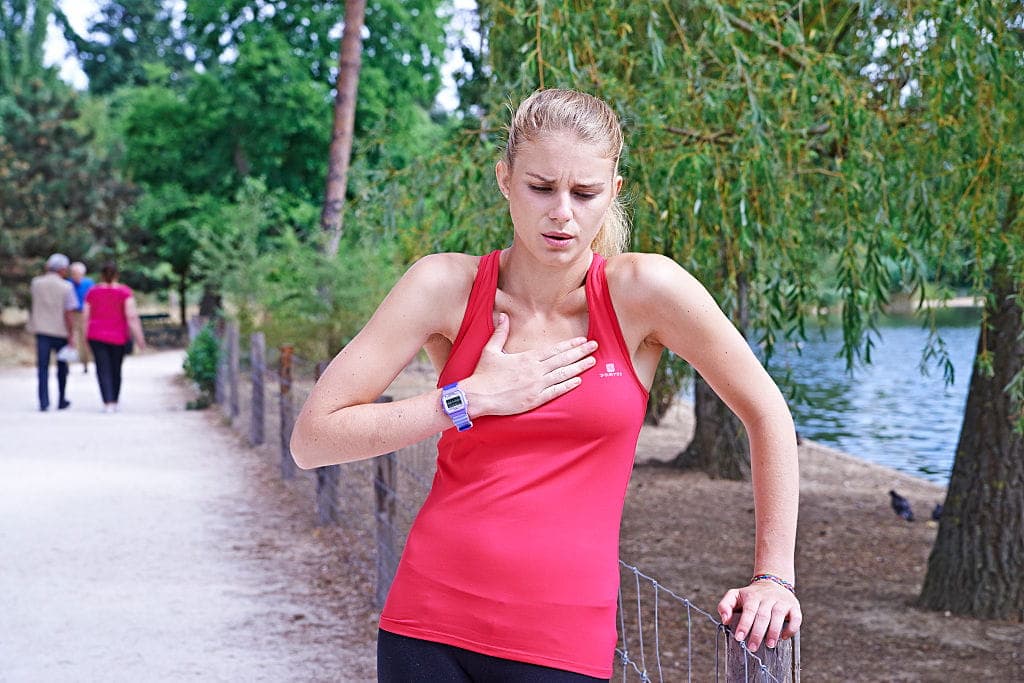
Heart disease is the number one killer of both men and women, but symptoms and treatment vastly differ between the two genders. Television and movies tell us that a heart attack comes with dramatic indicators such as severe chest pain and clutching the left arm. While those are some of the markers for men, women are less likely to suffer chest pains during a heart attack. Some of the signs for females are so common and ambiguous that doctors and emergency room staff don’t always realize the patient has cardiovascular disease or might be suffering from a heart attack.
One in three women dies from heart disease – more than all cancers combined, as Mind Body Green pointed out. A big concern is that the symptoms don’t always present themselves the way they do in men. Many of the indicators seem mild, not related, or associated with other health issues, which may be as mundane as stress or just residual side effects from the flu. These symptoms are often dismissed and ignored. As listed by Mind Body Green, here are a few common signs of a heart attack in women that go untreated:
Cardiologist John Ryan, MD, in an interview with Utah University of Health, explained why women so often dismiss the signs. When asked about misconceptions in cardiac heart disease, which is a surprise to most people, he responded: “Surprise to a lot of people and it’s an important public awareness issue so therefore when women again, when they get their chest pains, or their symptoms from the heart attack, not only do they tolerate it more than men, but also they dismiss it as being a heart attack, sure, sure, why would I be having a heart attack, I’m a woman.”
He explained that the difference is probably a pain threshold issue and “women often claim to have a higher pain threshold than men, and that’s probably true, and in this, and that’s a very, that’s an advantage, but ultimately that ends up hindering people in terms of presenting when they are having their heart attack. So that’s probably the issue.”
Another problem with women and heart disease is that most of the research, and therefore the recognition and treatment, is centered on men’s health. The guidelines, diagnostic tools, and checklist for symptoms were not designed to diagnose women. Because of this, females end up experiencing delays in diagnosis and oftentimes receive less aggressive treatment than men with comparable risk factors. In fact, only 38% of participants in clinical cardiovascular trials are women, according to the American Heart Association.
As the American Medical Women’s Association noted, “Unfortunately, because medical education and public messaging have historically centered on male patterns of presentation, these symptoms may be mislabeled as anxiety, indigestion, or musculoskeletal pain.” Furthermore:
“Underlying these patterns is the influence of bias. Implicit clinician assumptions also play a role in the inequity of women being diagnosed. Women, especially younger patients, are often perceived as being at lower cardiovascular risk, despite evidence showing that ischemic heart disease affects people of all ages (McSweeney et al., 2016). The limitations of current diagnostic pathways reinforce this perception. For example, atypical EKG changes or smaller rises in troponin levels – which may reflect sex-based biological differences – are sometimes overlooked (Mostafa et al., 2025). Mostafa et al. (2025) highlight how such disparities extend beyond acute MI diagnosis, with women experiencing delayed diagnosis of angina over decades, underscoring how bias and system limitations interact across the spectrum of ischemic disease.”
Women’s bodies change dramatically as they age, and more risk factors seem to pop up everywhere. A big contributor to heart disease in women is menopause due to the loss of hormones. Unfortunately, many symptoms of menopause are also symptoms of heart disease. “What makes diagnosis particularly challenging is how these symptoms overlap with everyday life and aging: fatigue, anxiety, insomnia—these can be chalked up to aging, stress, or hormonal changes. But sometimes, they’re red flags for underlying heart issues,” Shepherd explained. “For example, what feels like acid reflux could actually be angina. Listening closely to your body and noticing when symptoms persist or worsen is key.”
Younger women can have heart disease as well. The American Heart Association notes that “[a]mong females 20 years and older, nearly 45% are living with some form of cardiovascular disease and less than 50% of women entering pregnancy in the United States have good heart health.” In addition, “10% to 20% of women will have a health issue during pregnancy, and high blood pressure, preeclampsia and gestational diabetes during pregnancy greatly increase a women’s risk for developing cardiovascular disease later in life.”
Since February is American Heart Month, it might be a good time to evaluate your cardiovascular health. Aside from paying attention to warning signs and symptoms and getting regular exams, there are some things women can do to help maintain a healthy ticker. Liberty Nation depends on the support of our readers. Donate now!
Try to get between 7 and 8 hours of sleep each night. Women with persistent insomnia symptoms were 70-75% more likely to develop heart disease compared to those with low or no insomnia symptoms, Mind Body Green explained. “Anywhere from 35% to 60% of women in postmenopause experience sleep disturbances and conditions like insomnia and sleep apnea. This is partially attributed to those low sex hormone levels triggering night sweats,” Shepherd said.
Watch your diet and be sure to include fiber-rich and protein foods, leafy greens and berries for antioxidants, healthy fats such as extra-virgin olive oil, nuts and seeds, and fatty fish such as salmon.
Exercise is a good way to build up muscle and endurance as well as promote healthy endorphins and hormones.
And one of the most difficult to achieve: managing stress. “Chronic stress activates the body’s fight-or-flight system, leading to higher blood pressure, inflammation, and disrupted sleep,” Shepherd explained.
Women’s heart disease is often quieter, easier to dismiss, and more likely to be missed until real damage is done. That makes awareness not just helpful, but essential. Knowing that heart trouble does not always look dramatic, trusting your instincts when something feels off, and pushing for answers can be lifesaving.