


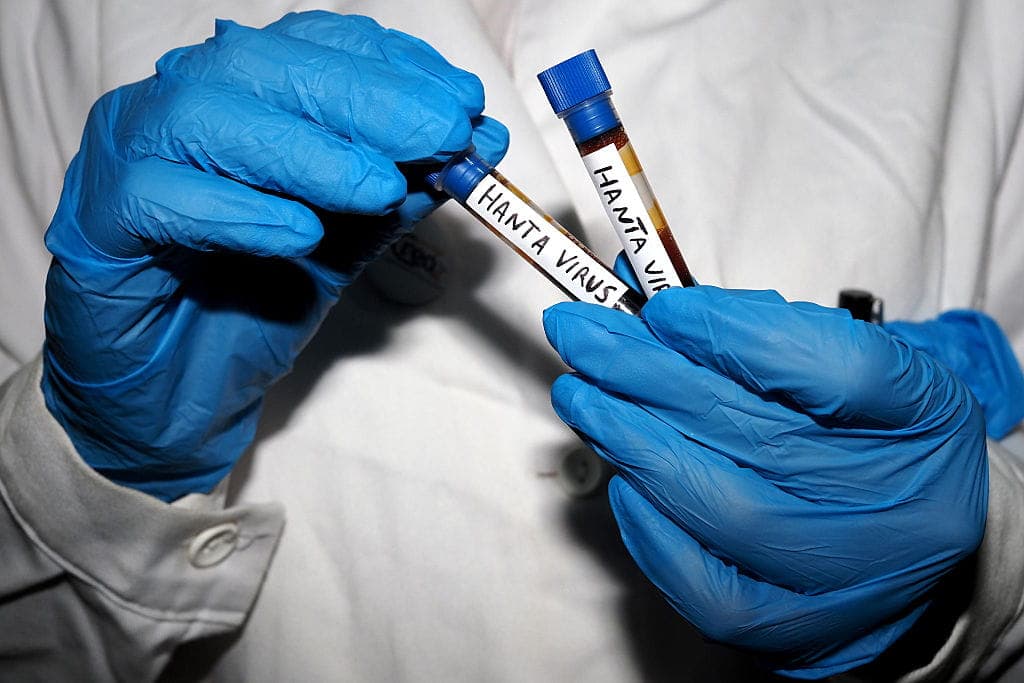

Seven years ago, the COVID-19 pandemic upended life as we knew it. Now hantavirus is making headlines, and some are concerned that we may be heading toward another pandemic - but is that really the case, or are people worrying over nothing?
The Hantavirus Outbreak
Knowledge of hantavirus has been around for decades, but the disease recently made headlines when passengers aboard the Dutch cruise ship MV Hondius became ill as the vessel traveled across the southern Atlantic, stopping at several destinations along the way. The outbreak reportedly began with the death of an older Dutch man on April 11. Later that month, his wife flew from the island of St. Helena to Johannesburg in South Africa, and on April 26, she collapsed and died. On May 4, it was confirmed that she’d been infected with hantavirus. Three people who were on the cruise have died.
From Liberty Nation News, Trivia, Facts, Check Us Out
Stay informed.
Today’s news, the Constitution and American history, written for young readers.
Visit GenerationLiberty.com
News, Trivia, Facts, Check Us Out
Stay informed.
Today’s news, the Constitution and American history, written for young readers.
Visit GenerationLiberty.com
As of May 14, 41 people in the US were being monitored after being exposed to or suspected of being exposed to hantavirus. These individuals fall into one of three groups: first, 18 passengers who were recently flown back to the US from the Canary Islands are being observed in facilities in Nebraska and Georgia; second, passengers who had already left the ship and returned home before the outbreak had been identified; and third, those who might have been exposed on flights with someone who had symptoms.
So far, there are no confirmed cases in the US.
About the Virus
Hantavirus is very serious and has a fatality rate of 35% to 40% in severe cases, Forbes explained, adding, “Patients often begin with nonspecific symptoms such as fever, fatigue, headaches, and muscle pain before rapidly deteriorating into respiratory failure and shock.” In the US, more than 30 people are expected to be infected with the virus each year. The Hantavirus Sin Nombre virus (SNV) was the cause of death for Gene Hackman’s wife.
Live Science relayed that there have been 890 cases of the disease in the US between 1993, the first year authorities started tracking the illness, and 2023, “of which 35% were fatal.”
The virus is usually transmitted by exposure to rat urine. It can also be passed from human to human. One of the problems with this disease is the extremely long incubation period: 42 days. “The Andes virus can circulate in the blood and begin to infect cells without immediately sparking a big immune response, which may help explain why its incubation period is so long,” Live Science explained. As a result, more cases may appear in the next month as the incubation period continues.
Pandemic Concerns?
It wasn’t that long ago that everyone had to wear a mask, stores and restaurants were closed, and toilet paper was in short supply. It’s understandable that some of us might be a bit pandemic-shy, especially as news reports sensationalize headlines, warning us that another situation like COVID might be on the way - only this time, the virus is deadlier. Then there are other outlets that say there’s nothing to worry about. So, who are we to believe?
“Current data strongly suggest this outbreak remains containable. Human-to-human transmission appears limited, close-contact dependent, and far less efficient than airborne respiratory viruses such as COVID-19 or measles,” Forbes reported.

So far this year, there have been no confirmed cases in the US, and the World Health Organization reported a total of ten hantavirus cases worldwide as of May 14. Neither the WHO nor the CDC requires any action other than self-isolation during the 42-day incubation period. Unlike COVID, which was an airborne pathogen, hantavirus contamination requires prolonged exposure.
Still, if you think you may have been exposed to someone infected with hantavirus, it may be best to err on the side of caution and get tested. Currently, though, it seems there is no need to panic.



.jpg%20California&w=1920&q=75)
.jpg%20Socialism&w=1920&q=75)