


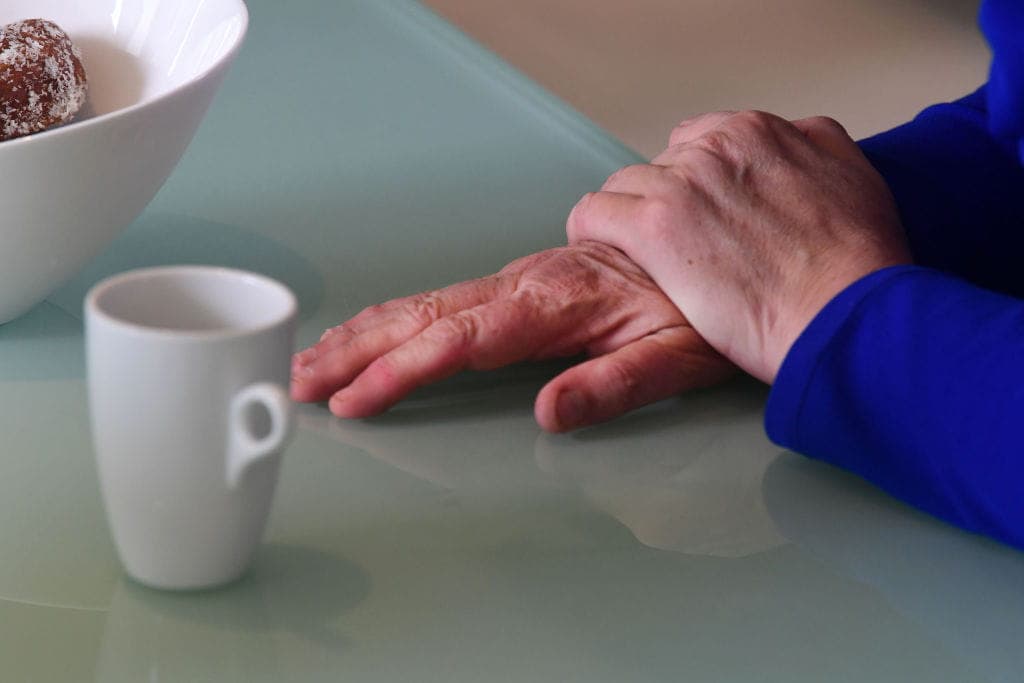

Parkinson’s Disease is the second most common neurodegenerative disorder, affecting around 1% of people over the age of 65. The worldwide count has more than doubled in the past 30 years, and diagnoses are expected to rise as the global population continues to get older. In fact, it is estimated to reach nearly 1,238,000 cases by 2030 in the US alone, according to PubMed Central. Contrary to popular belief, the disease doesn’t always begin in the brain: Many cases actually start in the gut.
The Illness
According to the Annals of Clinical Neurophysiology, there are two types of Parkinson’s disease: one that starts in the brain and one that begins in the gut. In the first kind, the disease starts directly in the brain and causes symptoms such as shaking or stiffness. These issues tend to develop later than in the second type, the “body-first.” Here, the problems begin in the stomach, which is part of the body’s nerve system. It then travels up to the brain.
The gut and brain constantly communicate, a mechanism known as the gut-brain axis. It’s a two-way system, meaning they both affect each other. Communication is accomplished through a major nerve known as the vagus nerve, through the immune system using inflammation signals, and with chemicals made by gut bacteria that travel in the blood.
Parkinson’s disease can happen when a protein, alpha-synuclein, starts to fold the wrong way in the body. This can happen in the gut first and travel up along the vagus nerve to the brain. Once it reaches the brain, it can damage cells there that control movement.
Parkinson’s Disease and the Stomach Connection
The digestive system has its own nerve network, which is commonly referred to as a “second brain.” You can think of it as a mini ecosystem inside your body. It helps to control digestion, works closely with the nervous system, and communicates with the body’s main brain.
The gut is full of microbiomes, or bacteria, that work to control digestion, inflammation, and immune system responses. When the gut is out of balance, some of the helpful bacteria decrease while the harmful ones increase, and the overall balance is compromised. Irritation and swelling in the gut can lead to a host of problems and exacerbate or even bring on Parkinson’s disease symptoms.
An unbalanced tummy can also lead to a “leaky gut,” where the lining becomes weaker and harmful substances can leak into the bloodstream, which can travel to the brain and cause damage. Unhealthy protein buildup could trigger alpha-synuclein, a protein that is linked to Parkinson’s disease, and can spread from the gut to the brain.
Signs of Parkinson’s disease can begin years, even decades, before greater symptoms appear, and the type that shows up depends on whether the disease starts in the gut or the brain. Some people might have years of digestive or sleep issues first, while others may go straight to movement problems. Early warning signs include constipation, difficulty sleeping, bloating, blood pressure issues, and trouble swallowing.
The gut-stomach connection is an important part of treating Parkinson’s disease. Researchers are exploring treatments that target the stomach, including probiotics that offer good gut bacteria, diet changes, and even fecal transplants, which basically replace gut bacteria. These treatments may slow or improve those suffering from the illness.
Other contributing factors to a Parkinson’s disease diagnosis include genetics, aging, diet and lifestyle, gut health, and the environment.

.jpg&w=1920&q=75)
.jpg%20Minnesota&w=1920&q=75)