


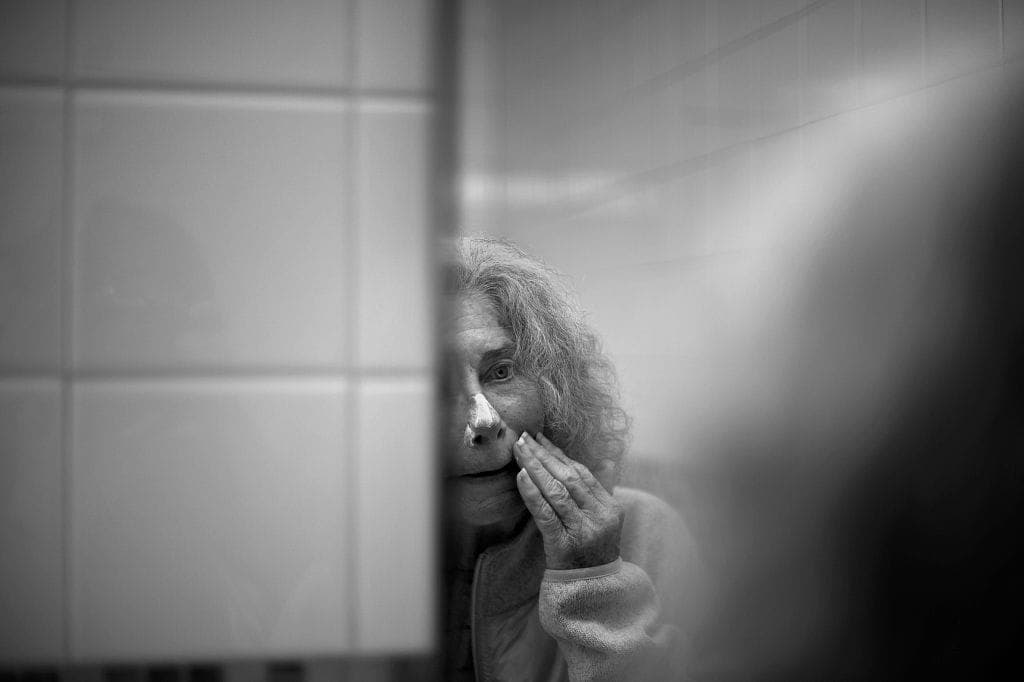

"You can't help getting older, but you don't have to get old." ~ George Burns
Once upon a time, anti-aging meant using a good moisturizer and remembering to wear sunscreen. Today, it's a full-time job. From collagen powders and red-light masks to Botox, peptide injections, and $300 face creams, we're told that looking older is a problem waiting to be fixed. Today, instead of a gown and glass slippers, Cinderella’s fairy godmother would probably hand her a retinol serum, a pack of face creams, an appointment with a dermatologist, and ten glasses of water. Americans are spending billions each year to hide the signs of aging, but is it worth it?
Defying Aging
Growing old gracefully doesn’t seem to be a thing anymore, but we all can’t be like Peter Pan and stay young forever, no matter how much we may want to. And the cosmetic industry knows this very well. According to Precedence Research, the global anti-aging market was estimated to reach $78 billion in 2025 and $83.2 billion in 2026.

Free with the Daily Briefing
85EssaysUnravel the Constitution
Hamilton, Madison & Jay’s complete case for America, free and searchable in the Publius Reader.
Free with the Daily Briefing. Unsubscribe anytime.
A fun fact: North America accounted for about 36% of the global market in 2025. The US market was estimated at $21.6 billion last year and is projected to reach about $23.1 billion this year, largely driven by skincare products and injectable treatments, according to Towards Healthcare, a research and healthcare consulting firm.
While face creams and makeup still trend high in sales, people are looking in other areas to hide the signs of aging. InStyle reported that more than 29 million cosmetic and reconstructive procedures were performed in the US during 2024, according to the latest available data released by the American Society of Plastic Surgeons. Aging men and women are turning to longevity medicine, as it’s called, now more often, which includes whole-body MRI scans, biological age testing, peptide therapies, infusions, regenerative medicine, collagen stimulation, and preventative aesthetics. Industry analysts estimate this longevity sector is nearing $800 billion globally and could even exceed $1.8 trillion by 2034.
It’s Not All About Looks – Health Is Important, Too
The World Health Organization defines healthy aging as more about maintaining functional ability, independence, physical and mental capacity, and the ability to do the things that matter to you rather than how many lifelines are on your face.
A new Health.com Longevity Insights Report surveyed 1,000 US adults and found that 68% said aging well is more important than staying youthful. Another fun fact: 57% preferred the phrase “aging well” over “longevity.” However, in another Health.com report, 89% of those surveyed said they felt overwhelmed by the amount of health advice available. There are just too many options and differing medical opinions to make an informed decision. Of those questioned, 95% said they want simple, manageable advice.
A survey published in an Abbott press release found that most Americans believe chronic diseases are preventable, but only 1 in 4 feel confident in how to care for their health. Researchers found that 46% say health advice is confusing and 58% among those blame conflicting recommendations from different sources.

While looking young is a bonus, for some, it’s an unnecessary time-consuming expense and worry. Just 12% of Americans in the Health.com survey said they actively participate in biohacking, despite its growing popularity. Instead, the participants claimed they would rather focus on exercise, healthy eating, quality sleep, and preventative care.
Of course, in a perfect world, we’d all have those youthful rosy cheeks free of wrinkles and age spots. We'd all be able to run marathons and have the energy of a kid. But the world isn’t perfect and aging is a natural fact of life. Could it be that we’re making healthy aging too complicated – and expensive?
The magic mirror on the wall certainly would think so. After all, it's easy to obsess over what we see in the mirror while forgetting what we can't see: a healthy heart, strong muscles, a clear mind, and the freedom to enjoy life. Looking your best is perfectly fine, but perhaps the greatest anti-aging secret isn't hiding the years - it's making sure those years are worth living.

.jpg&w=1920&q=75)

.jpg&w=1920&q=75)