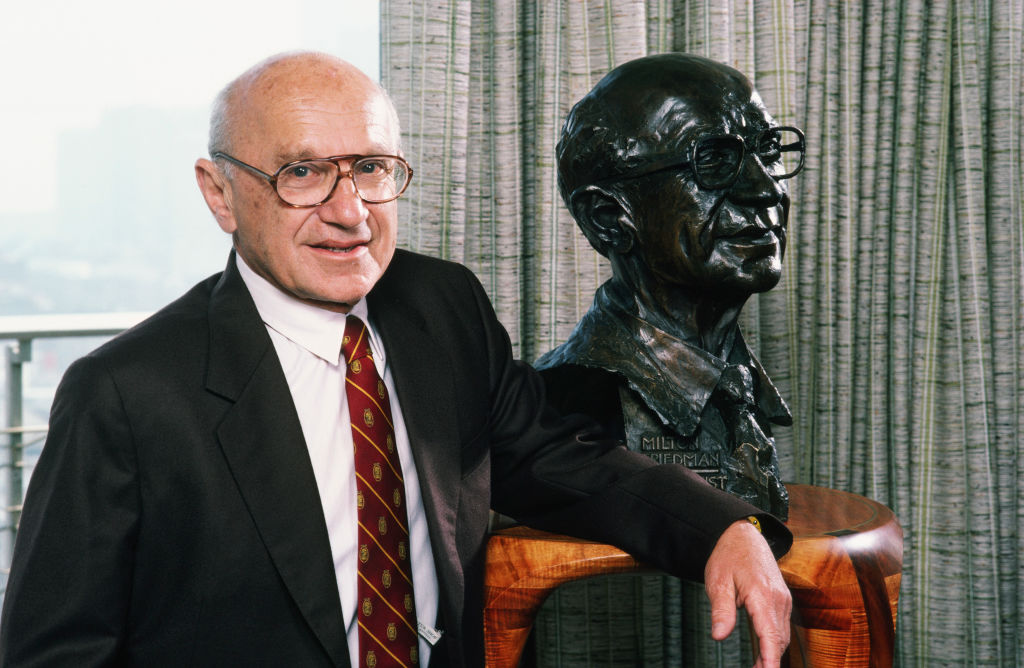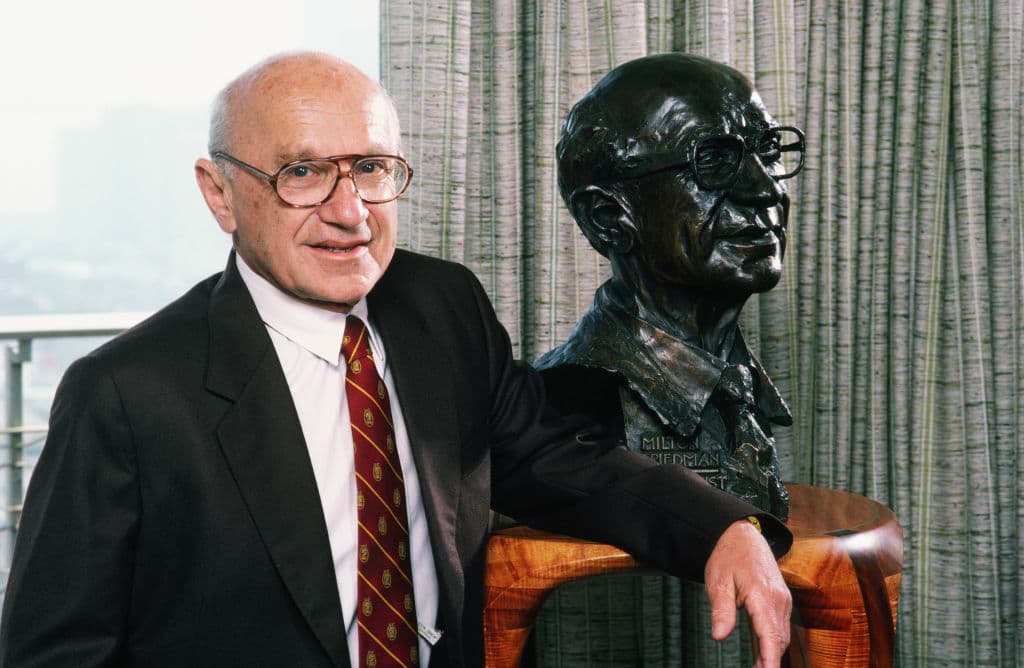

Legendary economist Milton Friedman was one of the most influential academic minds of the 20th century. Be it Free to Choose or Capitalism and Freedom, his books and essays have swayed multiple generations to view capitalism, markets, and liberty as virtues, combating the sins of socialism and big government. Thanks to YouTube, millennials and Generation Z can watch his fascinating lectures and interviews and learn more about economics than they would by attending a Keynesian indoctrination session at one of today's left-wing re-education centers. While millions worldwide continue to celebrate Friedman, others think that his philosophy should be buried or cremated because they have supposedly failed the United States and the rest of the world. Is that even remotely accurate?
Barron's Delivers a Eulogy

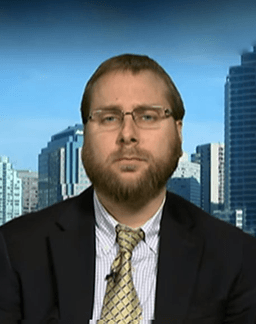
"A lot has changed since 1970. Computers now have 8,000 times more storage. Floppy disks are now only useful as coasters. The Pinto literally went up in flames. But despite our many advances, some antiquated ideas continue to prevail. This includes Friedman's economic philosophy, which we now know is as outdated and dangerous as the Pinto. So, on this, the 50th anniversary of its publication, the time has come to bury Friedman's ideas once and for all."The piece asserted that concepts of small government, efficiency, and corresponding free markets have not succeeded. It alluded to lackluster dynamism, corporate buybacks, subpar economic growth, falling entrepreneurship rates, racial inequality, and economic insecurity. "By almost every measure, Friedman's version of capitalism has failed," Kubzansky stated. Barron's provided a panacea that would reimagine capitalism and "rebalance the relationship between markets, government, and communities." The solutions were unsurprisingly vague, serving as nostrums that appeal to the unwashed anti-capitalist masses: reforming corporate governance, limiting shareholder primacy, and building grassroots community voices. "When that is done, Milton Friedman's failed ideas will finally rest in peace," Kubzanksy concludes. Are Kubzansky's grievances justified? Is it time to bury Friedman's ideas? Has capitalism failed America?
In Defense of Milton Friedman
Kubzansky thinks all of Friedman's ideas have been made into law and inserted into the United States constitution. While the U.S. is generally a market-oriented economy, the system has been bastardized through repeated government intervention, cronyism, and the Federal Reserve. The government continues to expand in size and scope, the central bank distorts the marketplace, and the revolving door between Washington and Wall Street continues. If you were to watch only one lecture or read a single essay, you would easily deduce that Friedman was a staunch critic of the state. Bureaucracy, endless interventions, regulations, and taxes – this is not Friedman's version of capitalism. Despite articulating the role for the Fed in monetary policy, he tergiversated later in his career and called for the abolition of the central bank. It still stands today, artificially controlling interest rates and generating moral hazard. Contrary to popular opinion on CNN or MSNBC, the U.S. has not stewed in the juices of laissez-faire principles.