


Whether it’s surprise resignations across the pond, potential political rebirths in the land of Voltaire, or a huge heap of powerbrokers spending their political capital on an upcoming disaster in the USA, Tuesday, July 7, was a rollercoaster ride on so many levels. And yet, to call this series of wild events “chaotic” would not be a fair assessment. In fact, it’s beginning to feel like we are re-entering an age where political machinations have become par for the course. Let’s take a stroll around the map from America, across to the UK, and pay a visit to France while we are in the neighborhood, and see just what fascinating intrigues are rocking the establishment.
Platner’s Baggage
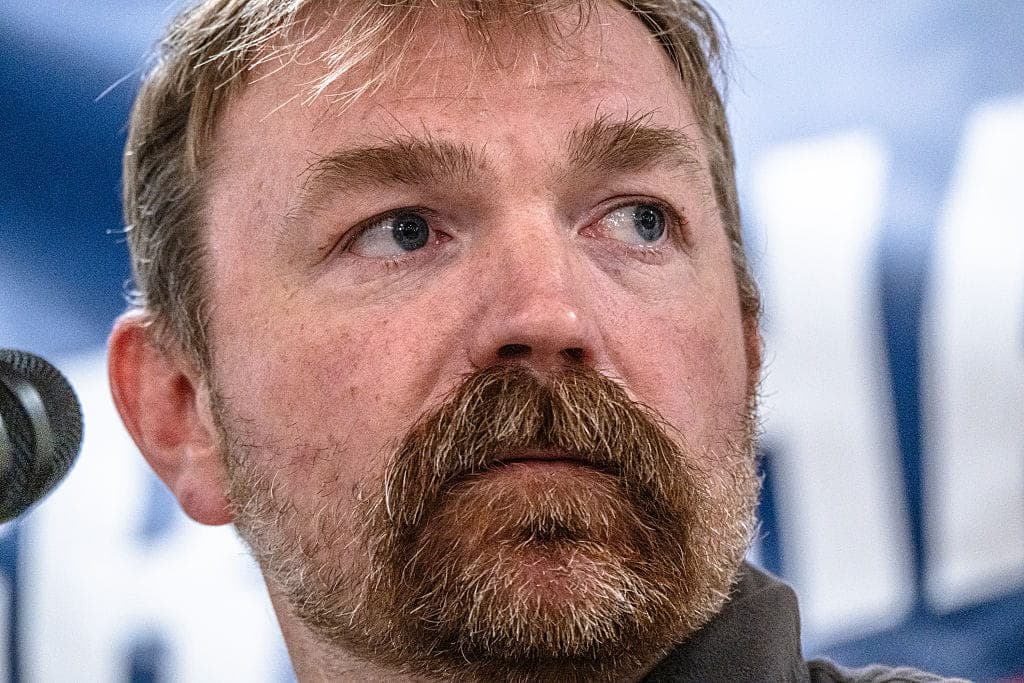
Starting in the United States, the fallout from Maine Senate candidate Graham Platner’s latest in an ever-growing line of scandals has put Democrat powerbrokers on the back foot. The man in question is currently considering his campaign options, while those who either eagerly – or even tacitly – supported him are wondering how best to extricate themselves.
Free with the Daily Briefing
85EssaysUnravel the Constitution
Hamilton, Madison & Jay’s complete case for America, free and searchable in the Publius Reader.
Free with the Daily Briefing. Unsubscribe anytime.
When the latest accusation of sexual assault surfaced, that appeared to be a step too far for Platner’s fellow Democrats. They could handle the questionable Reddit posts and deftly ignore the Nazi tattoo, but, in the very culture they have cultivated, an accusation of rape – whether evidenced or not – is a one-way ticket to persona non-grataville.
But where does that leave the folks who thought their endorsement was a wise investment? After all, giving an endorsement is spending political capital. If you back winners, you accrue more; if you back losers, you lose it. Voters understand that it’s a gamble and often still reward those who back the loser if the endorsement was given on principle. But for those who have betrayed their principles and supported someone simply because of the party affiliation – well, as Dante described the ninth circle of hell, it’s a cold place reserved for unsavory characters.
Nigel Farage: Political Gambler Extraordinaire
Speaking of gambles, across the pond, Nigel Farage has decided to resign as a member of Parliament and run in the triggered by-election. A strange turn of events, indeed, but not an unprecedented one.
As leader of the Reform Party, which has topped the last 250 consecutive polls, Farage is caught in a media scrum – assisted by his political opponents – regarding cash gifts he received from supporters before he even ran for office. The Parliamentary Standards Commission is investigating him and could – if he is found to have breached protocol – recommend a suspension. Such a course of action would allow his constituency to seek redress in the form of a recall vote. But by choosing to resign and run again, Farage essentially nullifies any punishment by handing the decision to the voters.
When he was elected in 2024, he received more than 46% of the vote, almost 20 points more than the second-place Conservative candidate. That was when Reform was polling at just 14% nationally; that figure is now around 30%. So there’s a very good chance that he not only wins but does so with an increased majority.
However, two things are worth considering. The various other parties that represent the UK have appeared willing in recent elections to ditch their own candidates and coalesce around one that has the best chance of stopping Reform’s rise – a cozy cartel system, indeed. And that might happen here. Farage would still have the edge, but it may be a closer race.
The other possibility is that the opposition parties choose not to partake in what they see as a “slick trick” to avoid scrutiny. This has happened before. But then, of course, Farage wins. They may have registered disapproval, but Mr. Brexit will be free to continue his campaign to destroy establishment politics in Britain.
Le Pen’s Last-Minute Reprieve
France’s Marine Le Pen, leader of the anti-mass-immigration National Rally Party, had her day in court yesterday. After being convicted of using European Union funds for national party expenses (a big EU no-no, but one that it is estimated at least a majority of EU politicians engage in), she was sentenced to time in prison (much under house arrest), a large fine, and a ban on running for political office for five years.
From Liberty Nation News, Trivia, Facts, Check Us Out
Stay informed.
Today’s news, the Constitution and American history, written for young readers.
Visit GenerationLiberty.com
News, Trivia, Facts, Check Us Out
Stay informed.
Today’s news, the Constitution and American history, written for young readers.
Visit GenerationLiberty.com
Yesterday’s appeal saw that ban reduced, meaning she is now free to run for president in 2027. Just about every poll has her leading the pack, and the betting markets favor her to become the next French top dog. Notably, as part of her sentence, she will have to be monitored wherever she goes via electronic tagging, which will likely create a logistical nightmare.
If, however, she had not sought the presidency, her deputy, Jordan Bardella, was ready to fight the campaign.
Bardella is whip-smart, just 30 years old, and has movie star looks, which goes a long way in France. Polling also puts him in the top spot, which suggests that it is the policy the people want rather than the personalities involved. A recent survey found that more than 80% of the French people favor “remigration.” Not just stopping immigration but sending back many of those already there.
Le Pen might not have the free and easy campaign she wanted, but she seems on track to deliver the France she has campaigned for her entire adult life.
Keeping Things Spicy
For too long, the impression of politics was that it was all about the party. When Donald Trump arrived on the scene, it became clear that establishment unity was the currency most valued. To the viewing public, that became all too apparent. Trump did not happen in a vacuum; a populist strain existed but was subdued. When he won in 2016, hot on the heels of the Brexit vote, something else became clear, too: that outsiders could win.
But as with most things, the outsider moniker is a double-edged sword. Yes, Trump won a resounding electoral victory to secure a second non-consecutive term; yes, Nigel Farage has moved from the fringes to become the leading political voice in the UK; and yes, Marie Le Pen looks set to fulfill her lifelong political ambitions. And yet, on the flip side, we see one of America’s two major political parties sacrificing its reputation trying to reverse a mass endorsement of a candidate that the hoi polloi knew full well would crash and burn.
In nations far and wide, it seems the age of political excitement is back. And it looks like the people are loving it.



.jpg&w=1920&q=75)