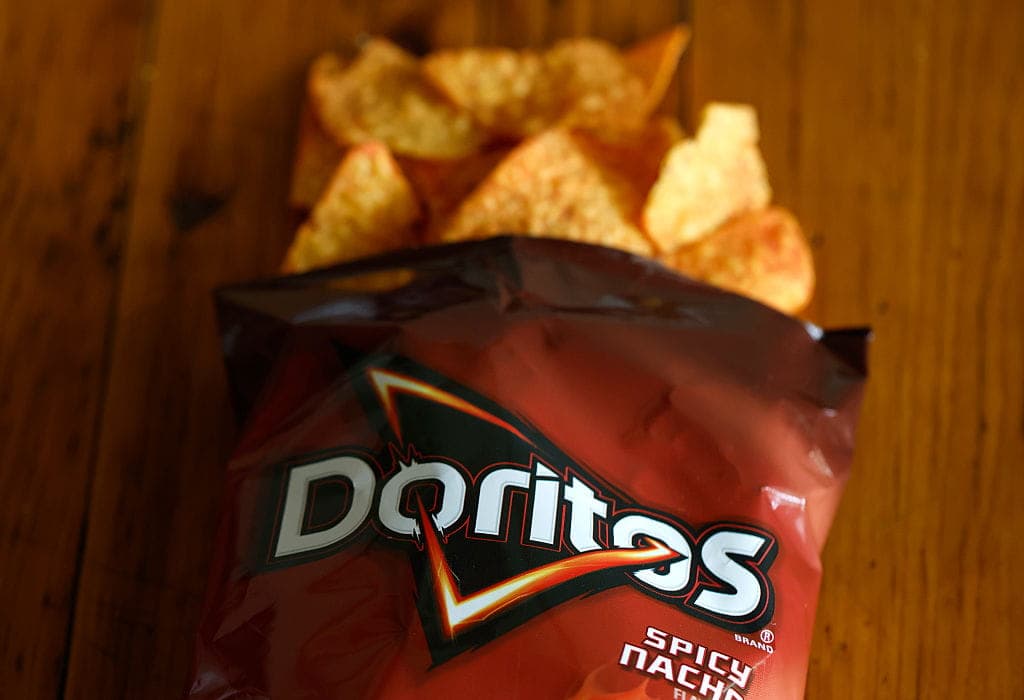
Now that the revised SNAP rules have largely removed junk food from the menu, the portion of taxpayer subsidies going to the peddlers of potato chips and sugary drinks is shrinking. Last year, a growing chorus of states implemented restrictions on certain foods and beverages that the US administration says “make people sick.” Seeing the writing on the wall due to declining demand, corporations specializing in these products are planning to lower prices to ensure consumers continue purchasing potato chips, soda pop, and other items that contribute to chronic illnesses and obesity.
On Wall Street, one of the few ways to survive is to be forward-looking and prepare for the future. What happened yesterday is inconsequential compared to what may occur tomorrow. Some are caught with their pants down, while others prosper.
The announcement comes as the maker of Cheetos and Mountain Dew has invested in rebranding some of the names in its enormous portfolio. These adjustments feature cleaner ingredients that may appease the Make America Healthy Again initiative and health-conscious consumers. But it is not the only one.
This past fall, Coca-Cola announced it would sell single 90-calorie versions of its sodas in 7.5-ounce miniature cans. The retail price is $1.29. The objective is to appeal to consumers with affordable options. After a nudge by President Donald Trump, Coca-Cola will also sell cane sugar soda.
Companies selling private-label products have also begun adapting to the White House’s MAHA-related changes to SNAP, the Supplemental Nutrition Assistance Program, commonly known as food stamps. Beginning this year, Target and Walgreens will add private-label items to their food and beverage wellness assortments.
Consumers may be addicted to sugar and salt, but corporate America is addicted to subsidies. It is no wonder that lobbyists representing some of these companies have taken trips to Washington to discourage lawmakers from adding their goods to lists of restrictions, according to a Wall Street Journal report.
While SNAP is not exactly a direct taxpayer-funded benefit to the likes of Walmart and PepsiCo, the federal program has padded their bottom lines over the years.
In 2024, 94% of SNAP shoppers used the benefits at Walmart, followed by Kroger and Costco. In fact, approximately 250,000 retailers are authorized to accept SNAP money, from convenience stores to supermarkets. This is up from 145,000 two decades ago.
As for suppliers, about one-quarter of Coca-Cola and PepsiCo’s revenues are driven by the SNAP subsidy. Additionally, Coca-Cola reported a rare negative free cash flow late last year for the first time in decades.
Are these trends and numbers all because of SNAP reforms? Not exactly. The oft-described K-shaped economy, higher input price pressures, and pullbacks in the consumer landscape have been factors in these companies’ earnings reports. Still, it shows the role junk food has played in the deterioration of America’s fiscal and health conditions.
A deeper dive into SNAP households reveals notable insights. One is that they spend $7 billion a year on sugary drinks. They also purchase approximately 31% fewer total vegetables. Another is that these shoppers are less likely to purchase private-label brands than non-SNAP consumers.
In a free society, individuals should be allowed to purchase anything they wish in a voluntary exchange, even if the products contain hydrogenated oil, Red 40, and butylated hydroxytoluene. Businesses should possess the freedom to sell these items in the open market. But should taxpayers keep subsidizing the lifestyle choices that ultimately harm them?

.jpg&w=1920&q=75)