
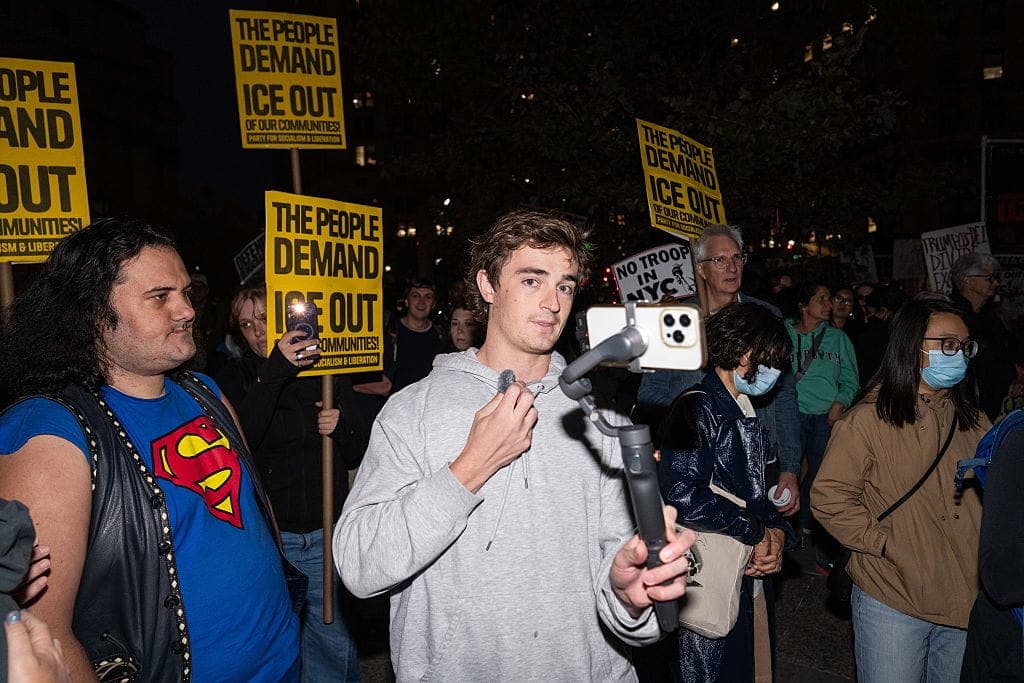
A handful of California state Democrats have introduced a bill to increase privacy for immigrant support service providers and to protect their employees from “threats of violence” and “targeted harassment.” Republican assemblymember Carl DeMaio views the endeavor through a different lens, saying the measure’s real purpose is to “silence citizen journalists and shield taxpayer-funded organizations from public scrutiny.” He even dubbed the bill the “Stop Nick Shirley Act” and said it was an “unconstitutional direct attack on transparency and the First Amendment.” So which is it: A bill to thwart violence or an effort to shield people from potential investigations? Well, we don’t have to look far to find out.
California Feigning
The legislation at the center of the controversy is Assembly Bill 2624, which aims to establish confidentiality for people who face “threats of violence or harassment from the public because of their affiliation with a designated immigration support services facility.” Apparently, people working in these places have experienced “doxxing, courthouse targeting … anti-immigrant vigilante threats, and coordinated campaigns and death threats,” according to the bill’s text.
If passed, nobody would be allowed to “solicit, sell, or trade on the internet the personal information or image of a designated immigration support services provider, employee, or volunteer with the intent” to do various harms, which are listed in vague language left open to interpretation. And “legislators have added a bunch of absurd conditions that make the proposed law functionally meaningless,” said Chris Bray in The Federalist.
The timeline for the legislation is interesting. Assemblymember Mia Bonta (D) introduced AB 2624 in February, nearly a month after the White House announced that the Department of Justice was creating a division for national fraud enforcement, which Vice President JD Vance kicked off with an inaugural meeting in March – the same week Bonta amended AB 2624.
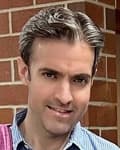
A week or so before the amendment, Nick Shirley visited several locations in the Golden State to investigate potential fraud at hospices and daycares. Shirley is the person whom Republicans say AB 2624 targets. He’s also the YouTuber who made a name for himself after uncovering alleged fraud at Minnesota daycare centers that appeared to have a mysterious shortage of children. His exposé on the Twin Cities grabbed the attention of the White House back in December 2025 and was the impetus for the Trump administration’s fraud task force.
Pushback
While in California last month, Shirley supposedly uncovered $170 million in fraud at daycare operations and other areas. His findings suggested that people in the Golden State might be creating fake hospice businesses and using Medicare beneficiary numbers of healthy seniors. He could be on to something, too, because California hospice enrollment has reportedly risen by about 1,000% in recent years. Not to mention, on April 2, federal officials in Los Angeles arrested eight people tied to health-care fraud totaling $50 million. If Shirley was indeed looking to uncover fraud, it appears he was in the right state. Still, not everybody seems pleased with his endeavor.
In an X post, shortly after Shirley’s trip to the Golden State, Governor Gavin Newsom’s office posted an AI-generated image of the influencer with a zombie-like pallor and a bunch of cameras strapped onto his chest and head. He’s shown peeking creepily through the window of a daycare and saying, “Hey, can I see your kids?” Verbal jabs were exchanged, and Shirley responded: “You do realize I’m trying to help America eliminate fraud and waste right? No need to try and make me look like the bad guy for exposing fraud.”
On April 9, nearly two weeks after the AI image was posted, AB 2624 was amended again.
“California Democrats,” said assemblymember Carl DeMaio in a recent statement, “are trying to intimidate citizen watchdog journalists and protect waste and fraud happening in far-Left-wing NGOs.”
“The enemy truly is within,” Shirley said on X when responding to DeMaio’s press release about the bill. “When our politicians would rather protect fraudsters and illegal migrants, it’s time for us to stand up or face mass oppression from the traitors who ‘rule’ over us.”
The irony of all this is that Shirley claimed in March that, due to growing threats and doxxing, he now brings a professional security detail with him when traveling to major cities. “People have openly said they want to kill me,” he explained during an appearance on The Sean Whalen Show.
California’s state legislature tried to enact a measure similar to AB 2624 during the pandemic after distraught parents pushed back against schools. The bill aimed to criminalize criticism of school boards, but the governor vetoed it.
Officials might be selling AB 2624 as a shield against harassment, but anybody not under the left’s spell can probably see the flaws in the narrative. The bill’s timeline alone raises questions that few people could dismiss, especially when considering the ubiquity of fraud in the Golden State. Its government has “allowed compassion to become a mask for fraud,” said Christopher Rufo in the City Journal, “creating a self-reinforcing system that keeps the Democratic establishment in power.” Perhaps the real threat is allowing the Nick Shirleys of the world to get close enough to lift the mask.